Start with one place and one question
Local history is not limited to grand buildings or famous events. An old bridge, a former factory, a cemetery, a preserved home, or a neighborhood museum can reveal how people worked, traveled, gathered, and changed their surroundings. Choose one place that interests you rather than trying to cover several in a day. A focused visit gives you time to notice details instead of rushing between stops.
Give yourself a simple question to explore. What was this building used for before its current purpose? Why did a road or neighborhood develop here? Whose stories appear on the signs, and whose might be missing? You do not need to solve the question during your visit. It is a way to guide your attention and make an unfamiliar place more engaging.
Choose a site that fits your day
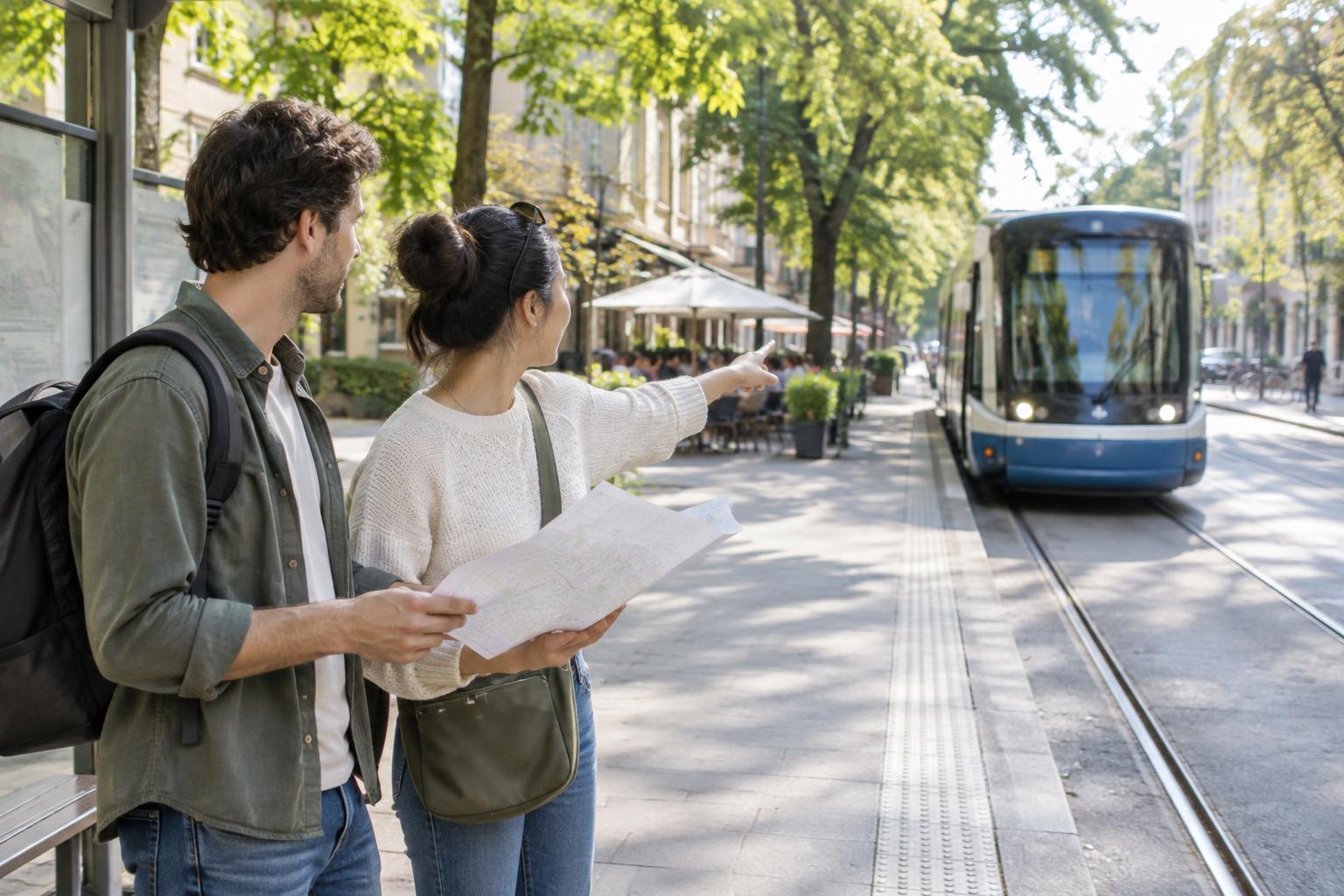
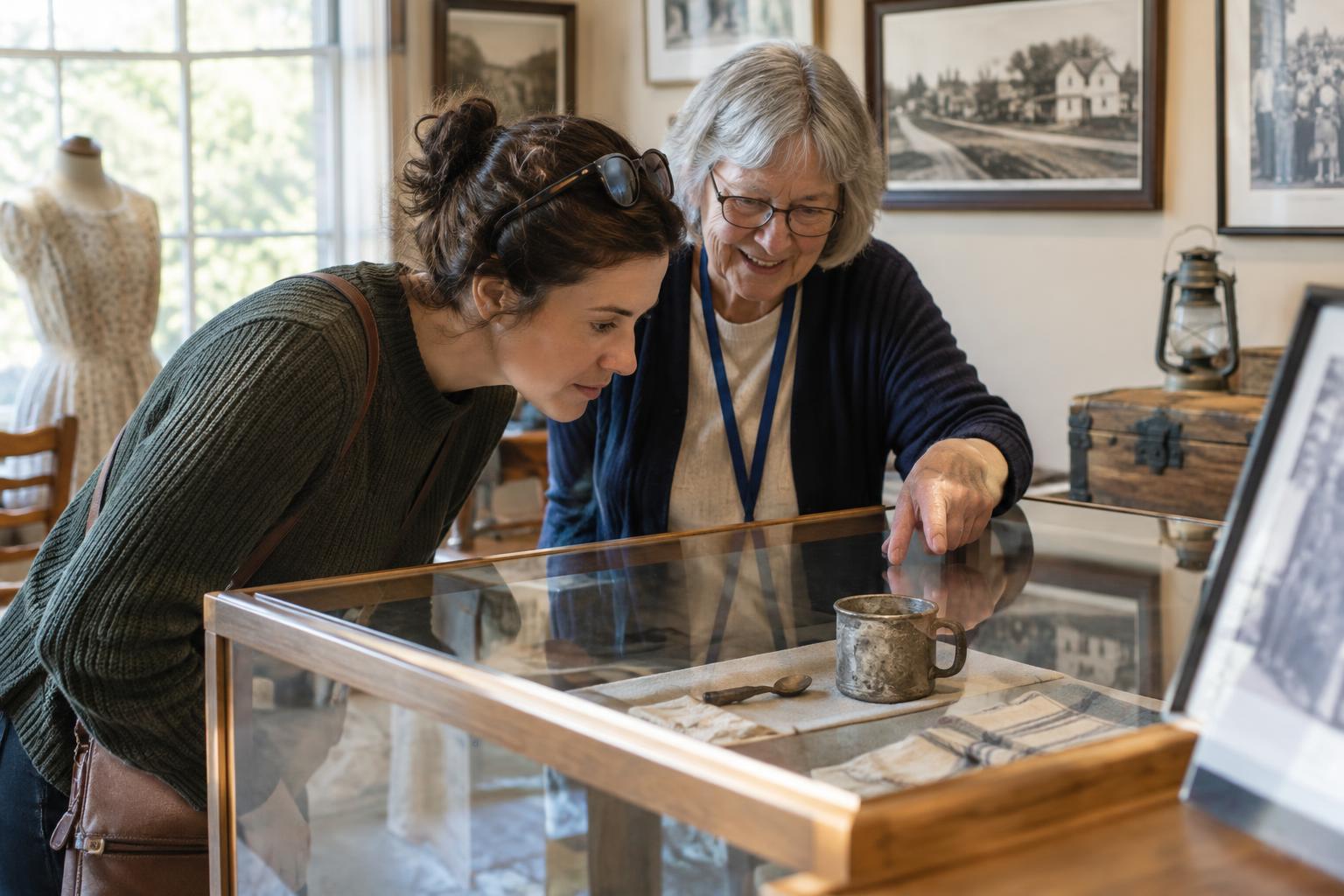
For a first outing, look for a place you can reach comfortably and visit at your own pace. A museum or staffed historic house may offer explanations and someone to ask for help. A self-guided walking route lets you stop whenever you like. An outdoor marker can make a worthwhile short visit, especially when paired with a walk around the surrounding area.
Before leaving, check the site’s own information for opening hours, admission details, tour arrangements, and any rules about entry or photography. If you have access needs, look for details about paths, seating, restrooms, and accessible entrances; contact the site if the information is unclear. Outdoor locations may still have uneven ground or limited public access. A backup stop nearby can keep the outing enjoyable if your first choice is closed.
Bring a small, useful kit
A phone or notebook is enough for most visits. Save the address and any visitor information in advance, since a signal may be unreliable in some locations. Bring water and dress for the weather, particularly if you expect to spend time outside. Comfortable shoes help when a route includes stairs, gravel, or long stretches of standing. You can leave room in your schedule for a break rather than treating the visit as a task to complete.
If you plan to take notes, record a few basic details: the place’s name, the date of your visit, and where a particular explanation came from. A photo of an information panel can help you remember what you read, where photography is permitted. Keep personal notes separate from facts presented by the site. That small distinction makes it easier to investigate an idea later without mistaking a first impression for an established account.
Look beyond the information panels
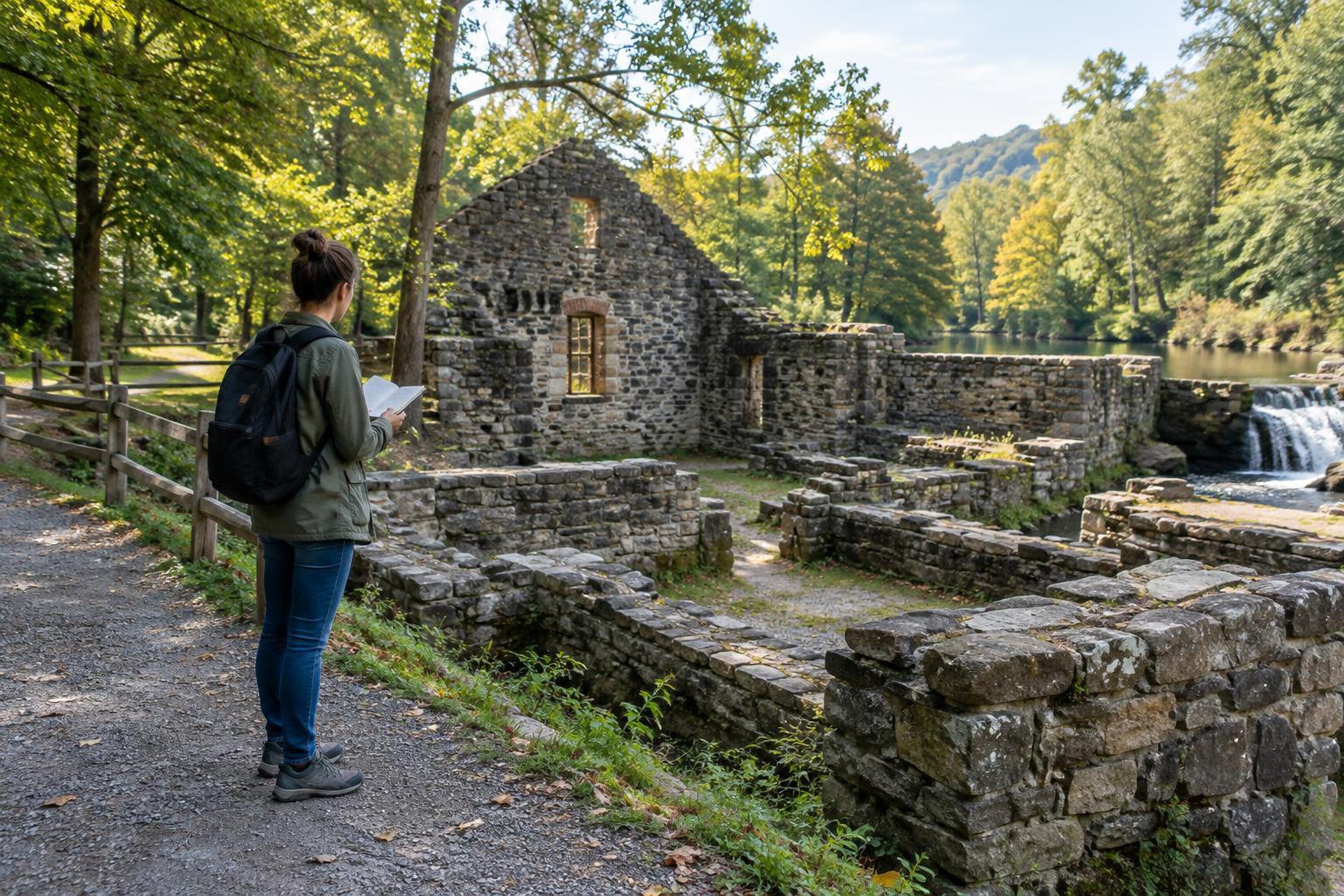
Begin by taking in the setting. Notice where entrances face, how close the site is to homes or transport routes, and whether newer structures sit alongside older ones. These features can raise useful questions about how the place has been used over time. Inside, look for materials, repairs, tools, and changes in layout. You do not need specialist knowledge to ask why something was built, moved, saved, or displayed.
Read signs with curiosity, but remember that any short description leaves things out. Who created the account, and what evidence does it describe? Does it focus on owners and officials, or also on workers, families, and other people connected to the place? If staff or volunteers are available, a specific question often opens a good conversation: “What changed most about this building?” or “Where could I learn more about the people who lived nearby?” Be willing to hear that some answers are uncertain.
Visit respectfully and keep exploring
History sites are often shared spaces, workplaces, places of remembrance, or parts of residential neighborhoods. Stay on public paths, follow posted rules, and avoid touching objects unless invited to do so. At cemeteries and memorials, give other visitors room and treat names and markers with care. If a location appears abandoned, do not assume it is open to the public; admire it from a place where you are allowed to stand.
Afterward, write down one thing you learned and one question you still have. You might look for a related display at a local library, return for a guided visit, or explore another site connected to the same street, trade, or community. Compare what different places choose to preserve and explain. A local history outing does not need a dramatic discovery to be worthwhile: paying closer attention to a familiar place can change how you see it the next time you pass by.