Plan a small outing, not a major shopping trip
Your first farmers market visit does not need an ambitious shopping list. Treat it as a chance to explore a local place and find one or two things you would like to use. A manageable goal might be to buy an ingredient for dinner, pick out a snack or simply learn what is available. Giving yourself permission to look around takes the pressure off making a perfect purchase.
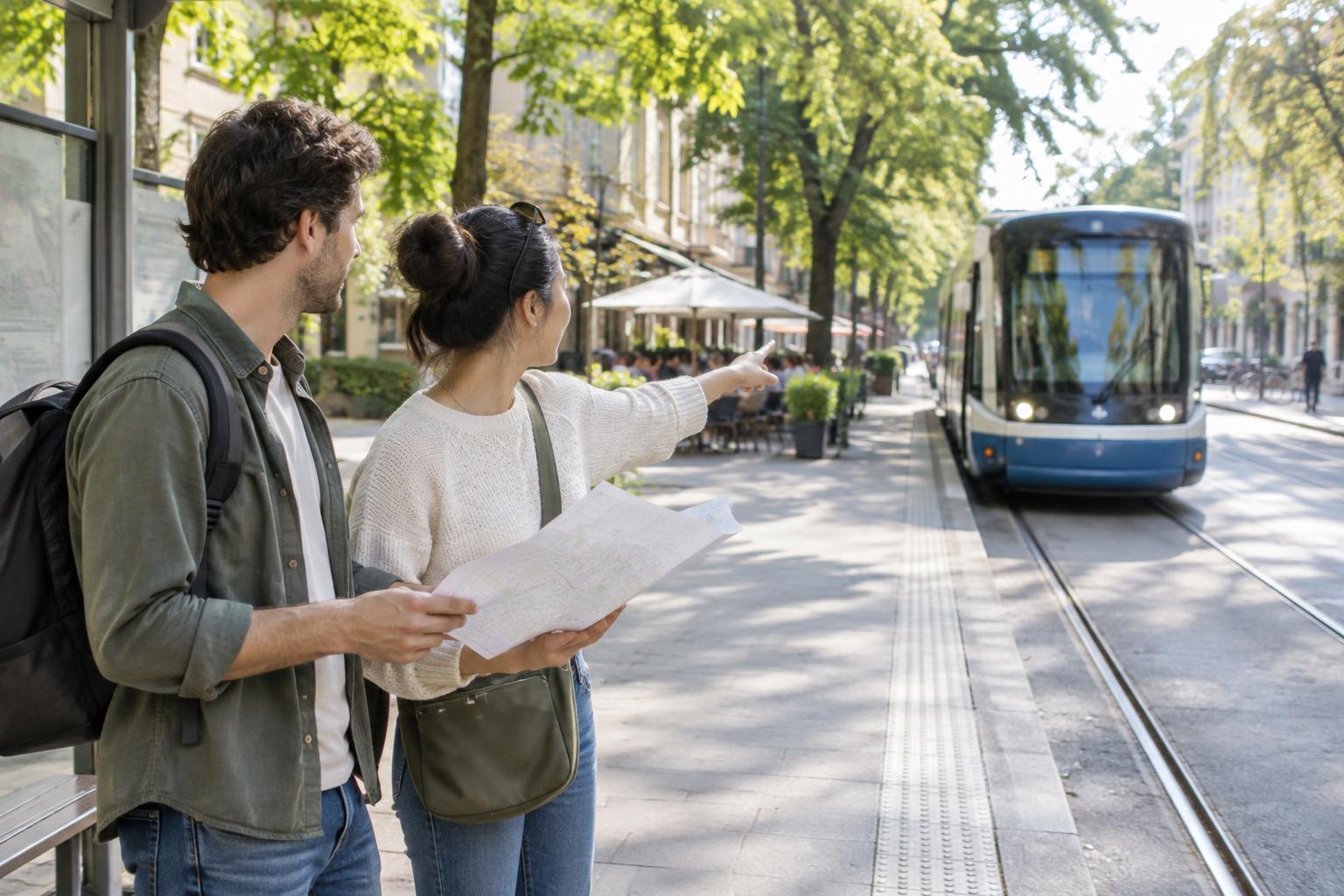
Before you go, check the market’s posted location and hours. Markets may have different schedules, entrances or parking arrangements, so it helps to confirm the details rather than rely on an old listing. If accessibility matters to you, look for information about paths, seating, restrooms and transit options. Choose a time that lets you browse without rushing; available items and crowd levels can vary during the day.
Bring a few useful basics
A reusable bag is the simplest thing to bring. If you expect to buy several items, a second bag can help keep delicate produce separate from heavier purchases. Bring water for yourself if you plan to walk around for a while, and consider a cooler bag if you may buy food that needs to stay chilled before you get home. The right setup depends on the weather, your travel time and what you hope to purchase.
Payment options vary by vendor. Some accept cards or digital payments, while others may prefer cash, so having more than one way to pay can be convenient. Set a comfortable spending limit before you arrive. You can still have a satisfying visit by choosing one special ingredient and planning the rest of a meal around food you already have.
Take a first lap before you buy
When you arrive, walk through the market once to see the range of stalls. Notice prices, portion sizes and items you recognize, but also look for something unfamiliar that interests you. A first lap helps you avoid buying a heavy bag of food at the entrance and carrying it for the whole visit. It also gives you a chance to compare options without assuming every vendor sells the same things.
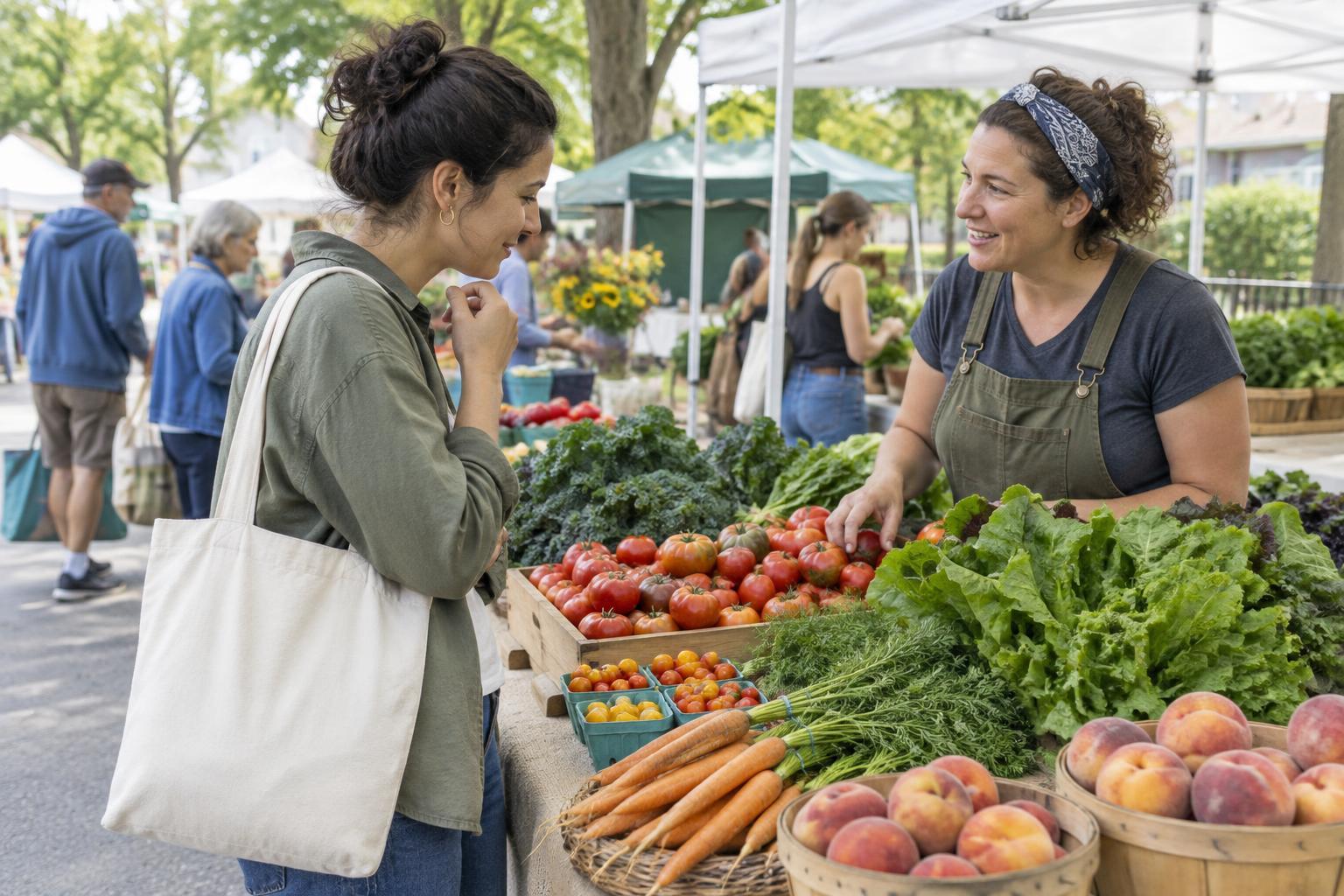
Displays may include produce, prepared foods, flowers or other goods, depending on the market. Read signs for names and prices, and ask before handling items if it is not clear what a vendor prefers. If samples are offered, wait for an invitation or follow the stall’s directions. Browsing is part of the visit; you do not have to buy from every person you speak with.
Ask questions that help you make a choice
You do not need expert food knowledge to talk with a vendor. Start with a specific, simple question: “How do you like to use this?” “Is this ready to eat today?” or “How should I store it?” If you are choosing between two varieties, explain what you plan to make and ask which one might suit it. A short conversation can turn an unfamiliar item into something you feel ready to try.
It is also fine to ask about the price or the amount in a container before purchasing. If you have dietary needs, ask about ingredients rather than guessing, especially with prepared foods. Vendors may be serving several customers at once, so keep questions brief when a line forms. You can always step aside to think, then return when you are ready.
Make the trip useful after you get home
Choose purchases with the next day or two in mind, particularly if you are trying something new. One vegetable, herb or baked item is enough to give your visit a purpose. If you buy an ingredient you have never cooked, note its name and the preparation suggestion you heard. At home, check what needs refrigeration and put those items away promptly; storage needs differ by food.
The outing can be enjoyable even if you buy very little. Remember which stalls or ingredients caught your attention and use that as a starting point next time. With each visit, you will get more comfortable with the layout, the questions you like to ask and the amount you can realistically carry home and use. That is a better measure of a successful first trip than filling every bag.