Start with making, not collecting
A new creative hobby often begins with an appealing picture of what you might make. Then come the tools, colors, patterns, storage boxes, and specialized materials. Exploring supplies can be fun, but it can also take up the time and space you hoped to give to the hobby itself. You do not need a perfectly equipped workspace before you begin. You need enough to try one satisfying activity.
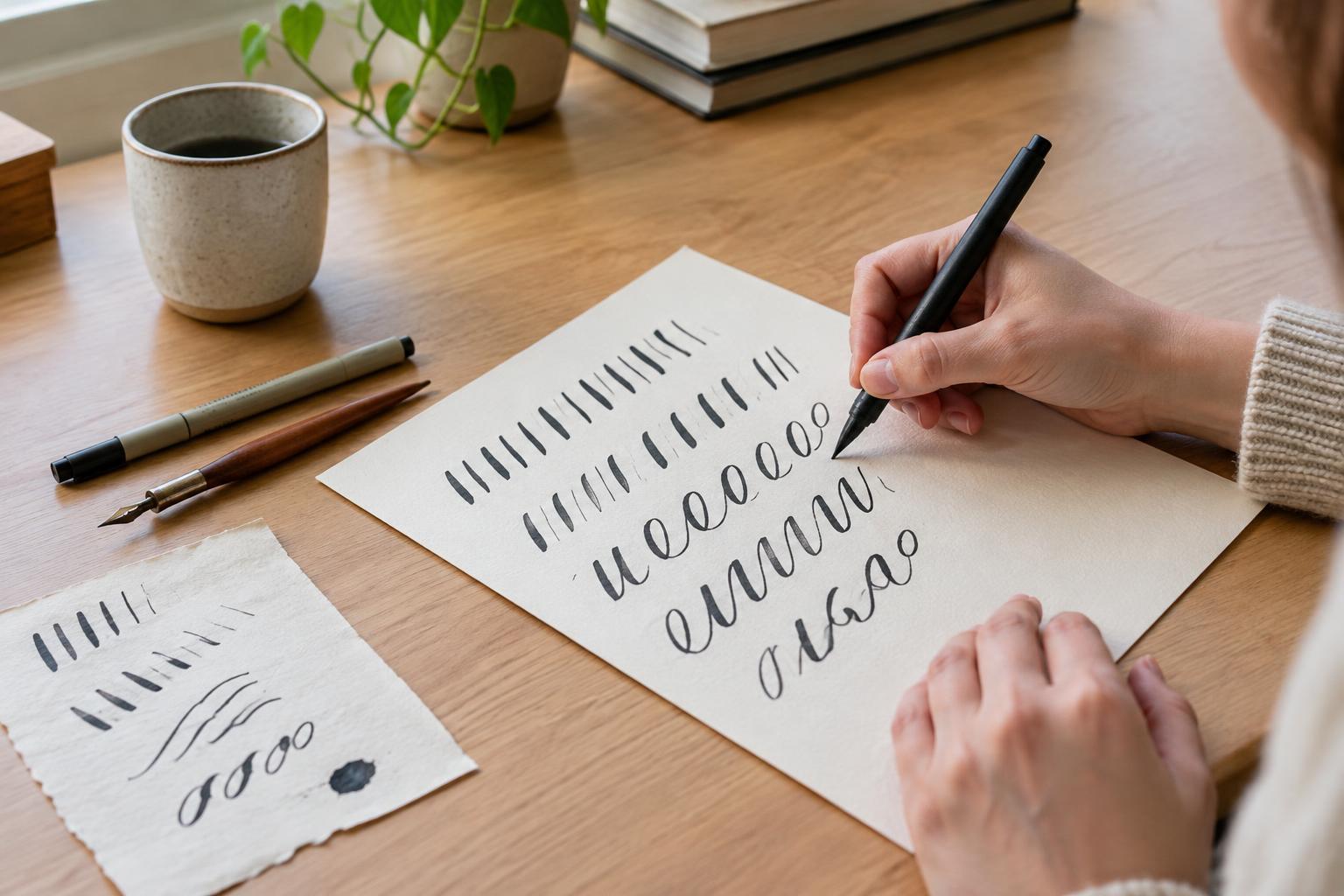
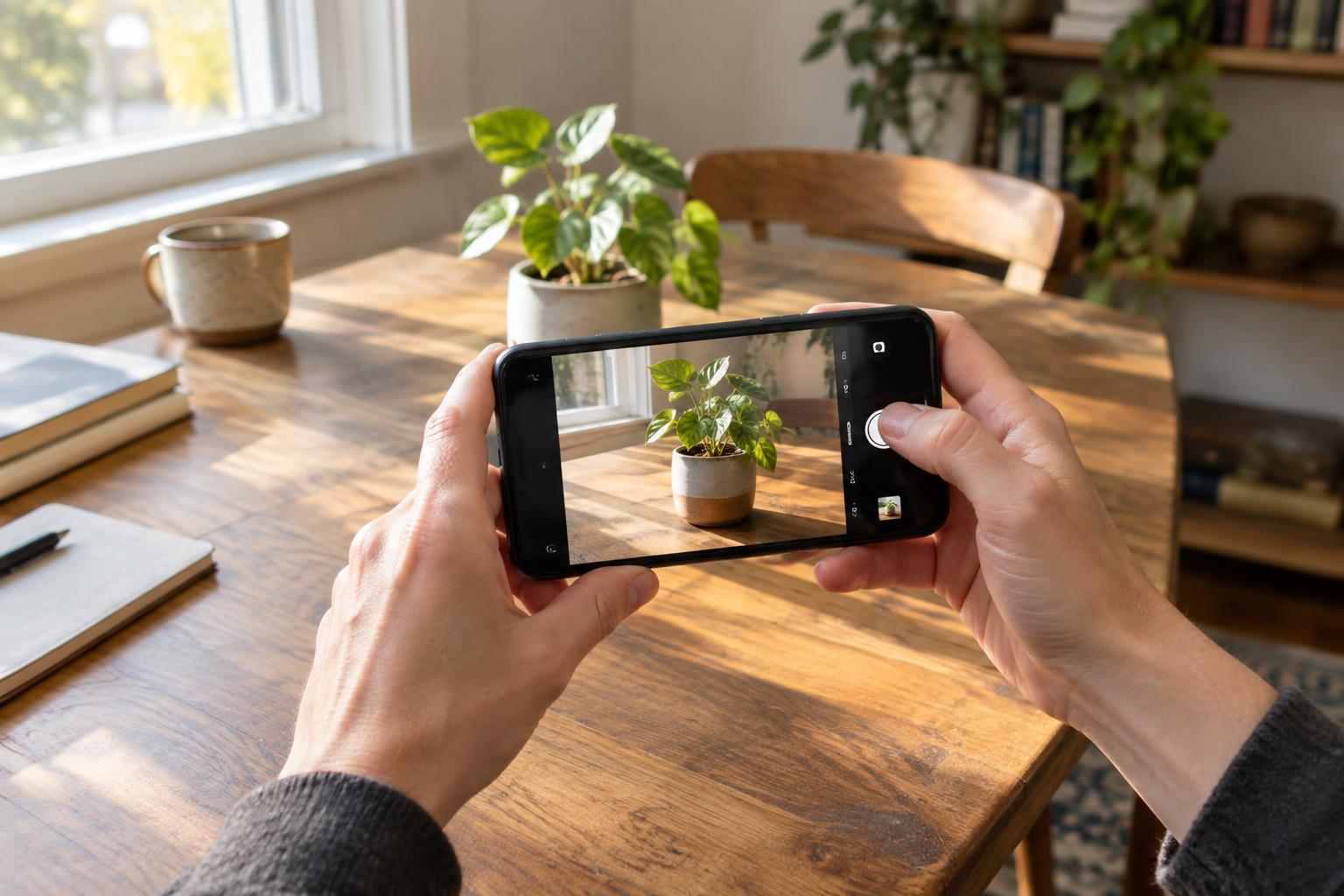
Choose a small project you can finish with basic materials: a sketch on ordinary paper, a simple sewn pouch, a short piece of writing, or a set of photographs taken on a walk. Starting small helps you learn what you actually enjoy doing. It also reveals which supplies would solve a real problem, rather than merely look useful on a shelf.
Give your existing supplies a clear job
Before buying something new, gather the materials you already own and sort them into three groups: ready to use, needs a small fix, and unlikely to use. This need not become a major organizing project. A quick look through one drawer or box may remind you of a half-used notebook, leftover yarn, or a tool you bought for an earlier idea.
Next, connect a few of those supplies to specific projects. “Use the blue paper to make three greeting cards” is easier to act on than “use up my paper.” Keep the materials for your next project somewhere accessible, and put the rest away neatly enough that you can find them later. The aim is not to turn every scrap into an obligation. It is to give yourself visible options before another purchase becomes the default.
Make buying a deliberate part of the process
There is nothing wrong with buying supplies. A comfortable tool or the right material can make a project more enjoyable. The useful question is whether an item supports something you plan to do soon. Before purchasing it, ask: What will I make with this? Do I already have something that would work? Could I try a smaller quantity first?
Consider keeping a wish list rather than ordering the moment an idea appears. Add the item and the project you would use it for, then revisit the list when you are ready to start. Some ideas will still feel exciting; others may lose their appeal. For unfamiliar techniques, a borrowed tool, a shared workspace, or a small beginner kit may be a better test than collecting a full set of equipment. Choose whichever option is practical and genuinely convenient for you.
Leave room for experiments and imperfect results
Sometimes the urge to shop comes from wanting a project to turn out well on the first try. New materials can seem like a shortcut to better results, but practice often answers more questions than another purchase. Try making a rough version with what you have. A quick fabric sample, color study, or practice photograph can show you what needs adjusting before you commit to a larger piece.
Give experiments a place in your hobby, even when they do not produce anything you want to display. You might set aside a few pages for messy trials or use leftover materials for low-stakes tests. This keeps learning separate from the pressure to make every supply count. It also makes it easier to notice whether you want to spend more time on a technique before buying materials dedicated to it.
Protect the pleasure of the hobby
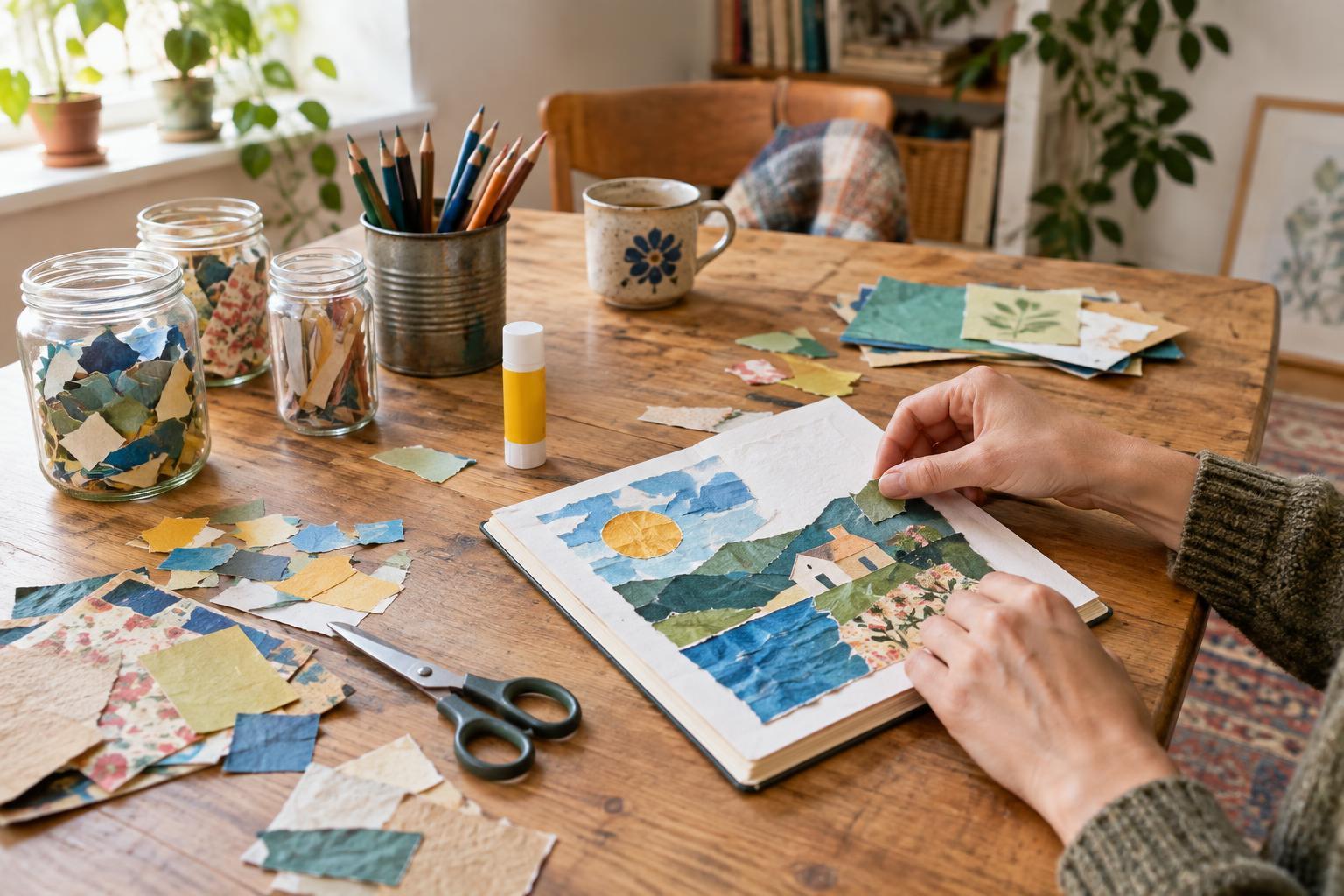
A hobby is allowed to change. You may enjoy watercolor for a while, pause it, and become interested in collage instead. You do not have to use every item you own before trying something different. At the same time, you do not have to follow every new interest with a shopping trip. A small, flexible set of materials can leave more room for curiosity than a crowded stash that feels demanding.
Every so often, ask what part of the hobby you most look forward to: learning a technique, making gifts, relaxing after work, or sharing ideas with others. Let that answer guide your next project and any supplies it requires. If your materials are easy to find and your projects are manageable, it becomes simpler to return to the activity that drew you in: making something with your own hands.