Choosing a trail by distance alone
A short trail is not always an easy trail. Steep climbs, uneven ground, exposed sections, and stream crossings can make a modest distance feel demanding. Before choosing a route, look at its elevation gain, terrain, and whether it is a loop or an out-and-back walk. Read the full route description rather than relying on a difficulty label, which may not reflect your experience or comfort with heights.
Plan for the slowest person in your group and leave room for breaks, photos, and wrong turns. If you are trying a new kind of terrain, start with a route that has a clear path and an easy option to shorten the walk. The goal is not to cover the most ground; it is to choose a walk everyone can finish while still enjoying the day.
Checking the forecast but not the trail conditions
A pleasant forecast does not guarantee an easy walk. Recent rain can leave paths muddy, while shade, wind, or an exposed ridge can make the trail feel different from the parking area. Before leaving, check the forecast for the place you intend to walk, along with any available notices about closures, access, or trail conditions. If a route depends on crossing water or following a poorly marked path, consider a simpler alternative when conditions are uncertain.
Think about the return trip as well as the start. Note sunset time and aim to finish well before dark, especially if you are unfamiliar with the route. Weather can change during an outing, so bring a layer and rain protection suited to the conditions, even if you expect a short walk. If the forecast or trail information leaves you uneasy, changing plans is a sensible part of planning.
Assuming a phone will handle navigation
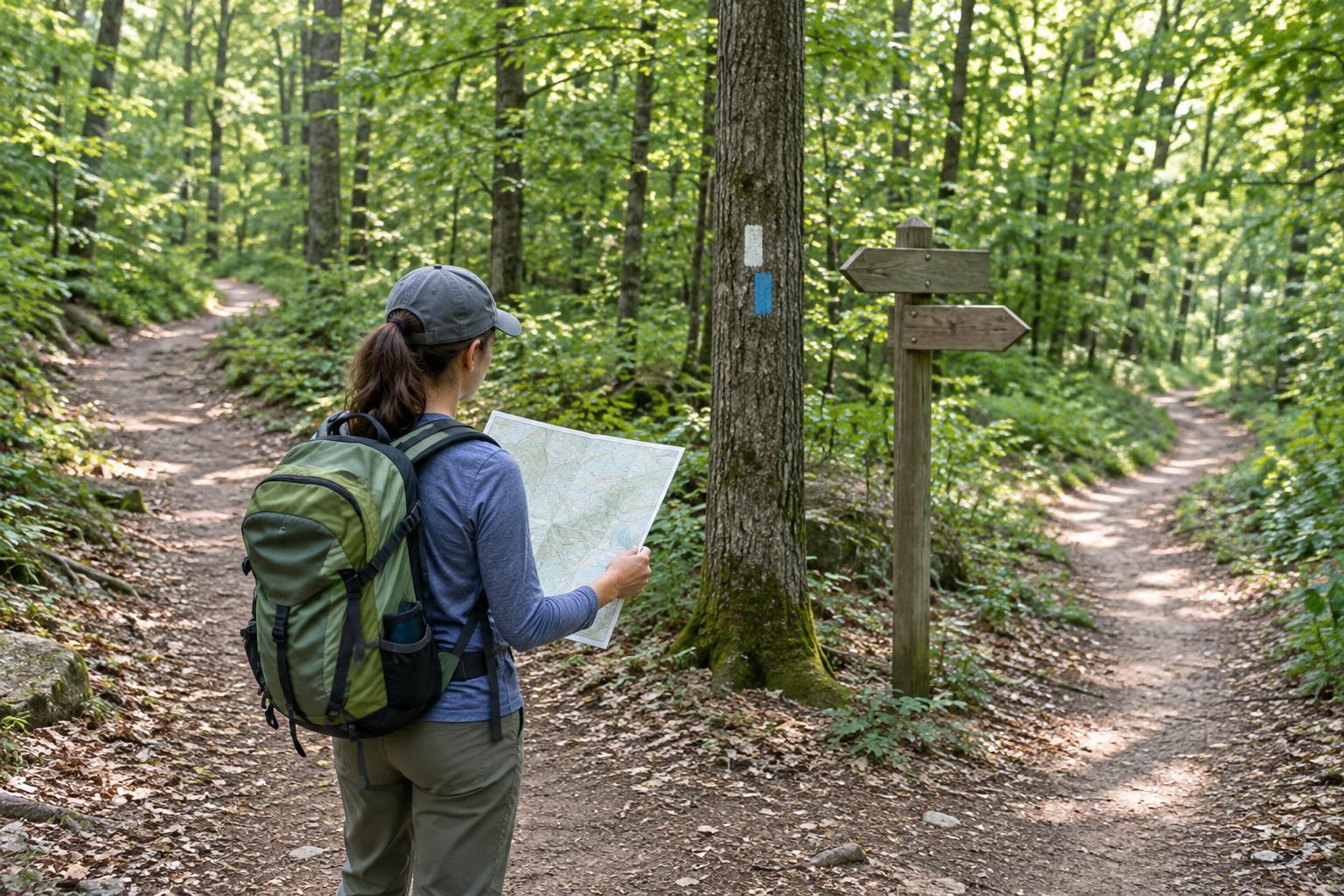
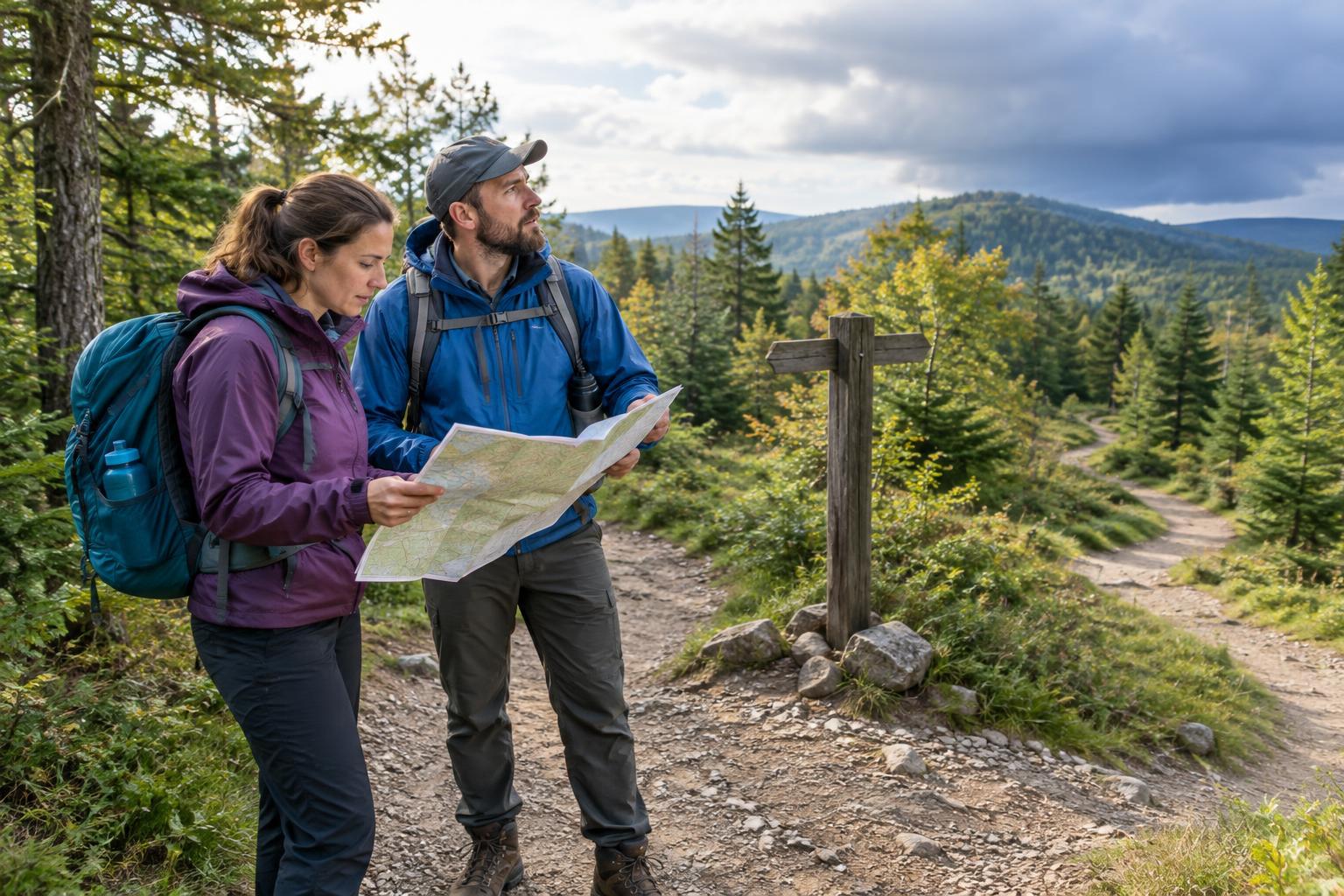
A phone can be a useful map, but a weak signal, low battery, or confusing junction can make it less dependable than expected. Save the route for offline use before you go, and make sure you know where it starts, where it ends, and which turns matter. Carry a backup map if the route is remote or complicated, and know how to use it. At junctions, pause and confirm your direction instead of following the most worn-looking path by habit.
Tell someone who is not hiking with you where you plan to go and when you expect to return. Include your intended trailhead and route, particularly if there are several nearby. This simple step is easy to skip on a casual outing, but it gives someone a useful starting point if you are unexpectedly delayed.
Packing for the best-case version of the day
It is tempting to carry almost nothing on a short hike. Instead, pack for a small delay or an unexpected change in conditions. Bring enough water for your planned walk, food or a snack, suitable footwear, weather-appropriate layers, and any personal items you may need. A charged phone, a small light, and a basic first-aid kit are also worth making space for. Your exact kit will depend on the route, season, and how far you will be from help.
Comfort matters too. Shoes that work well on pavement may feel slippery or uncomfortable on loose ground. If you have new footwear or a new pack, try it on a shorter walk first. Before setting off, check that everyone has what they need rather than assuming one person’s supplies will cover the whole group.
Leaving the return decision too late
Many hikes become stressful because the group treats the destination as mandatory. Set a turnaround time before you start, based on the daylight and the time you expect the return to take. Watch your pace and how everyone feels along the way. If you reach your turnaround time before the viewpoint or summit, head back. The destination will still be there another day.
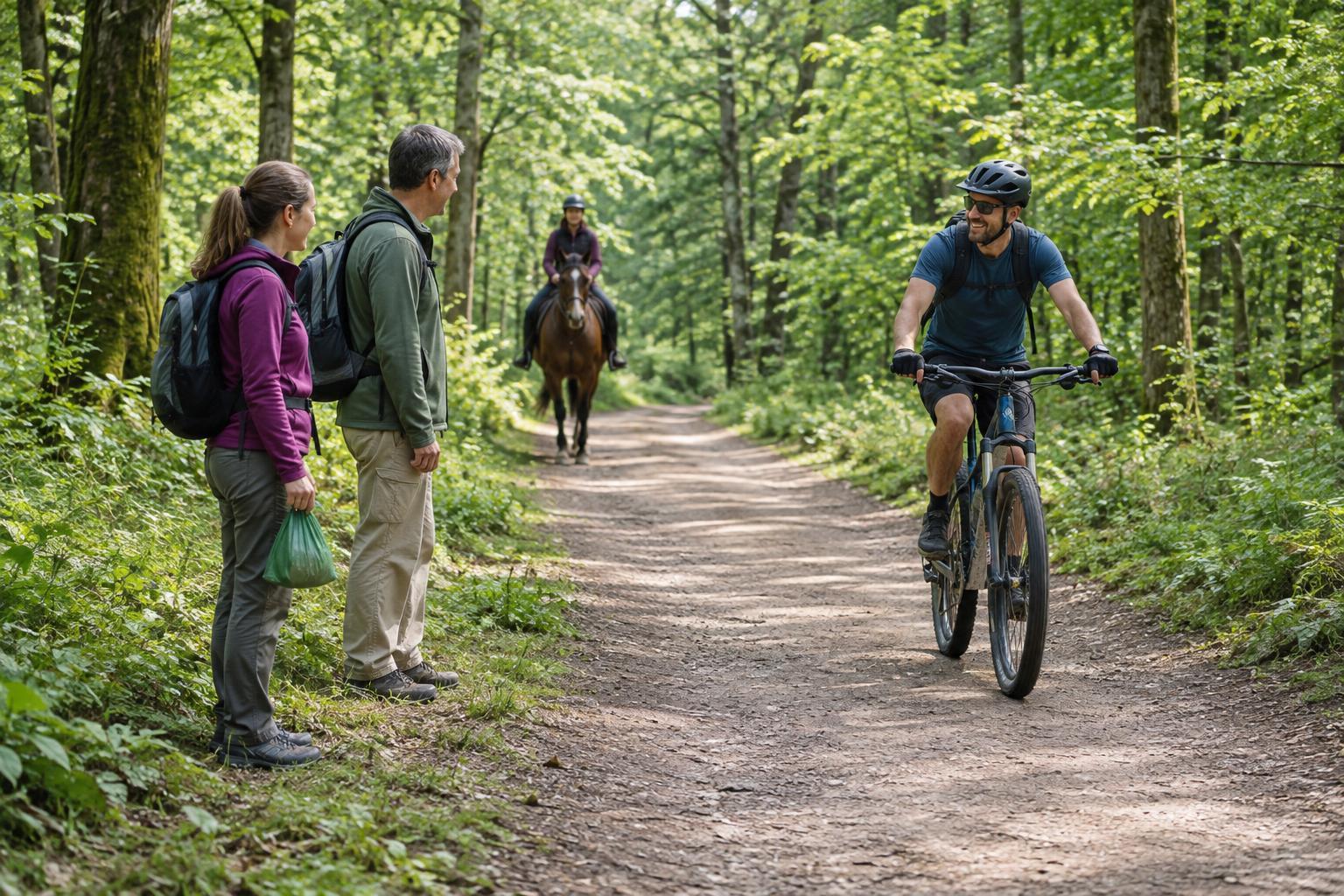
Use the same flexibility at the trailhead. If parking is unavailable, access is restricted, or the route looks more difficult than expected, choose another walk rather than improvising a risky start. Stay on the designated trail where possible, carry out what you bring in, and respect any posted rules. A successful local adventure is one you can enjoy without rushing—and one you would be happy to repeat.