Start with the trail you actually have
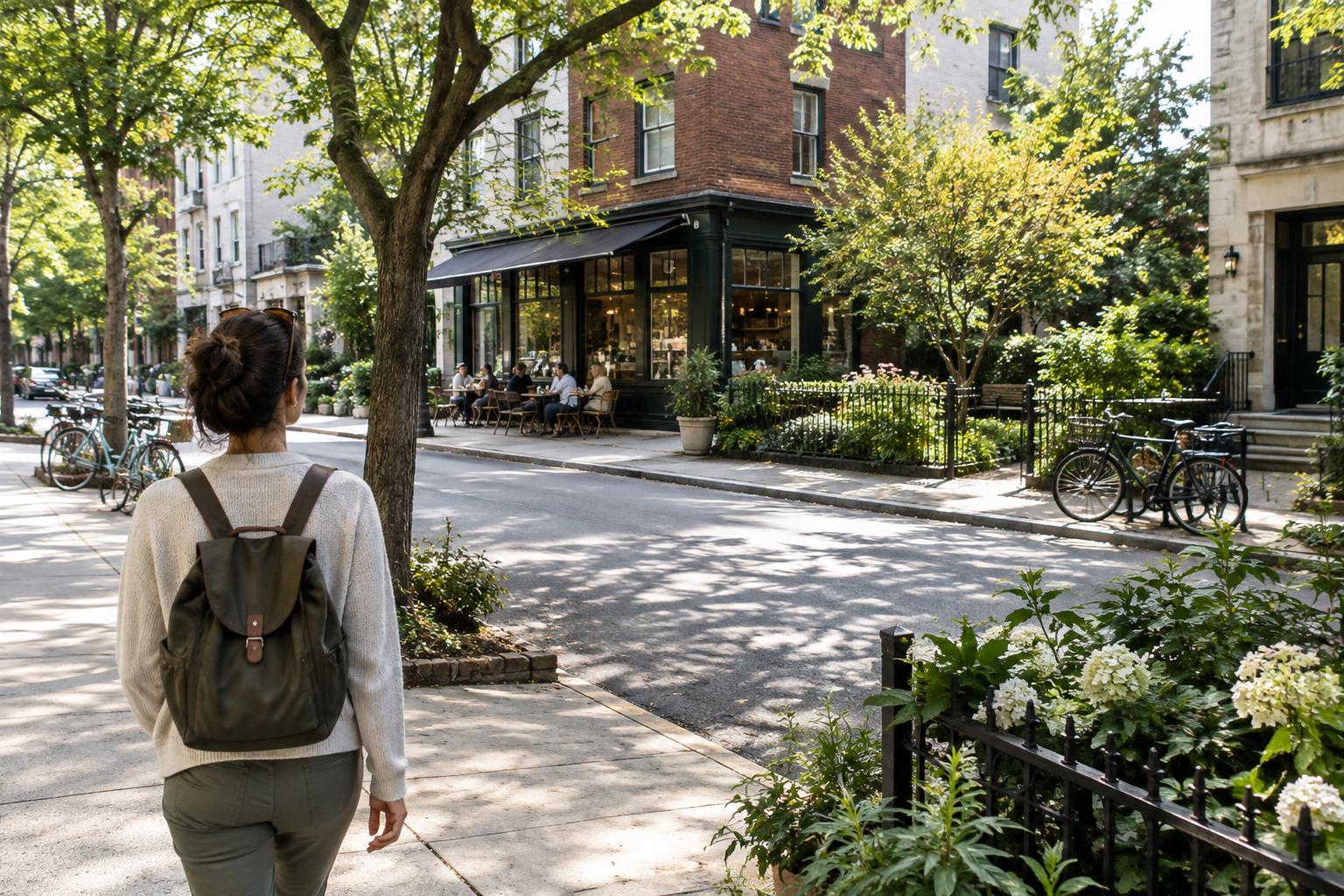
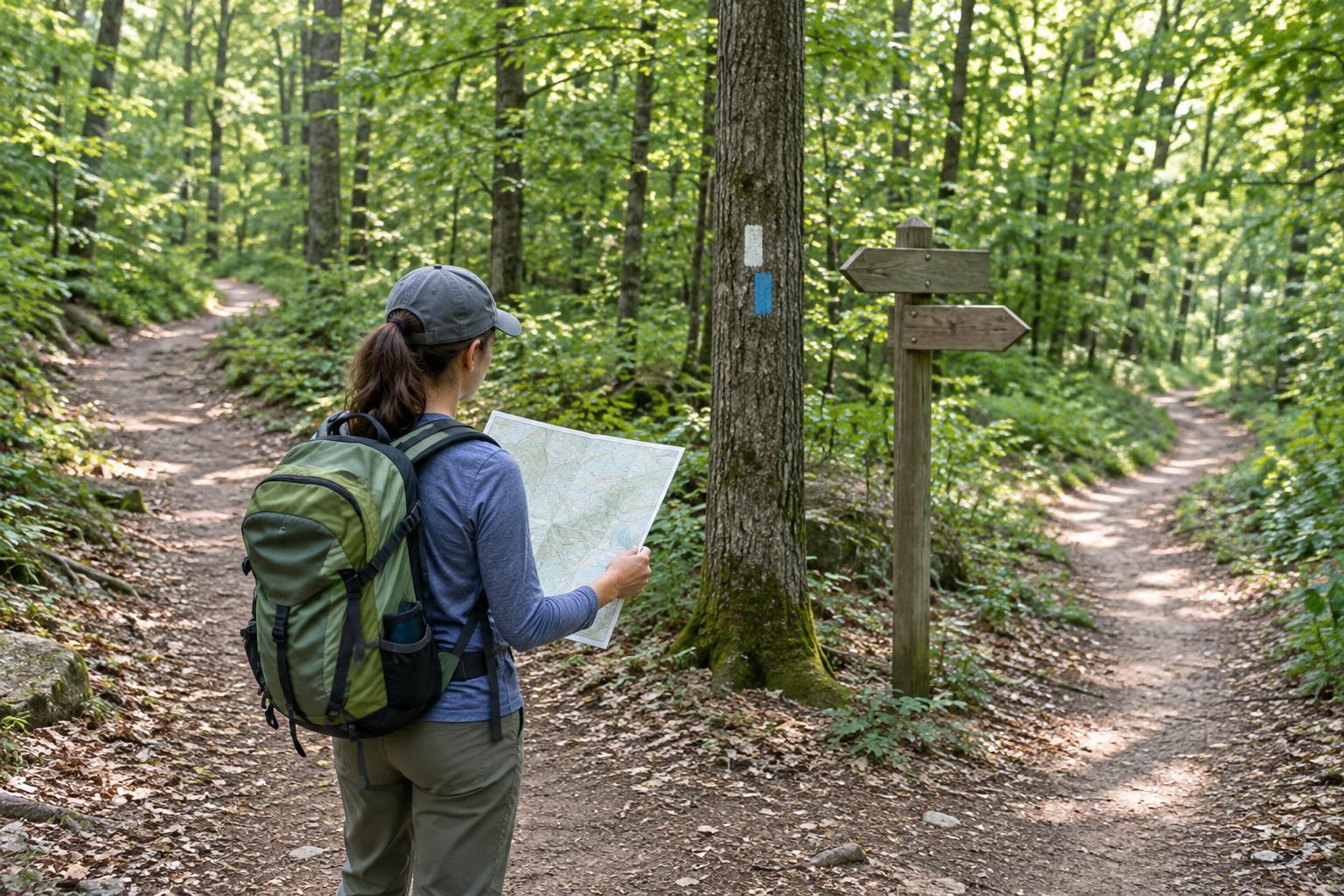
A nearby trail can be a refreshing way to explore without planning a major trip. It may also be a shared space: walkers, runners, cyclists, people with dogs and sometimes horse riders can all use the same route. Good etiquette begins with noticing what kind of trail you are on. At the entrance, check signs for permitted activities, one-way sections, seasonal closures and dog rules. Local instructions take priority over any general rule of thumb.
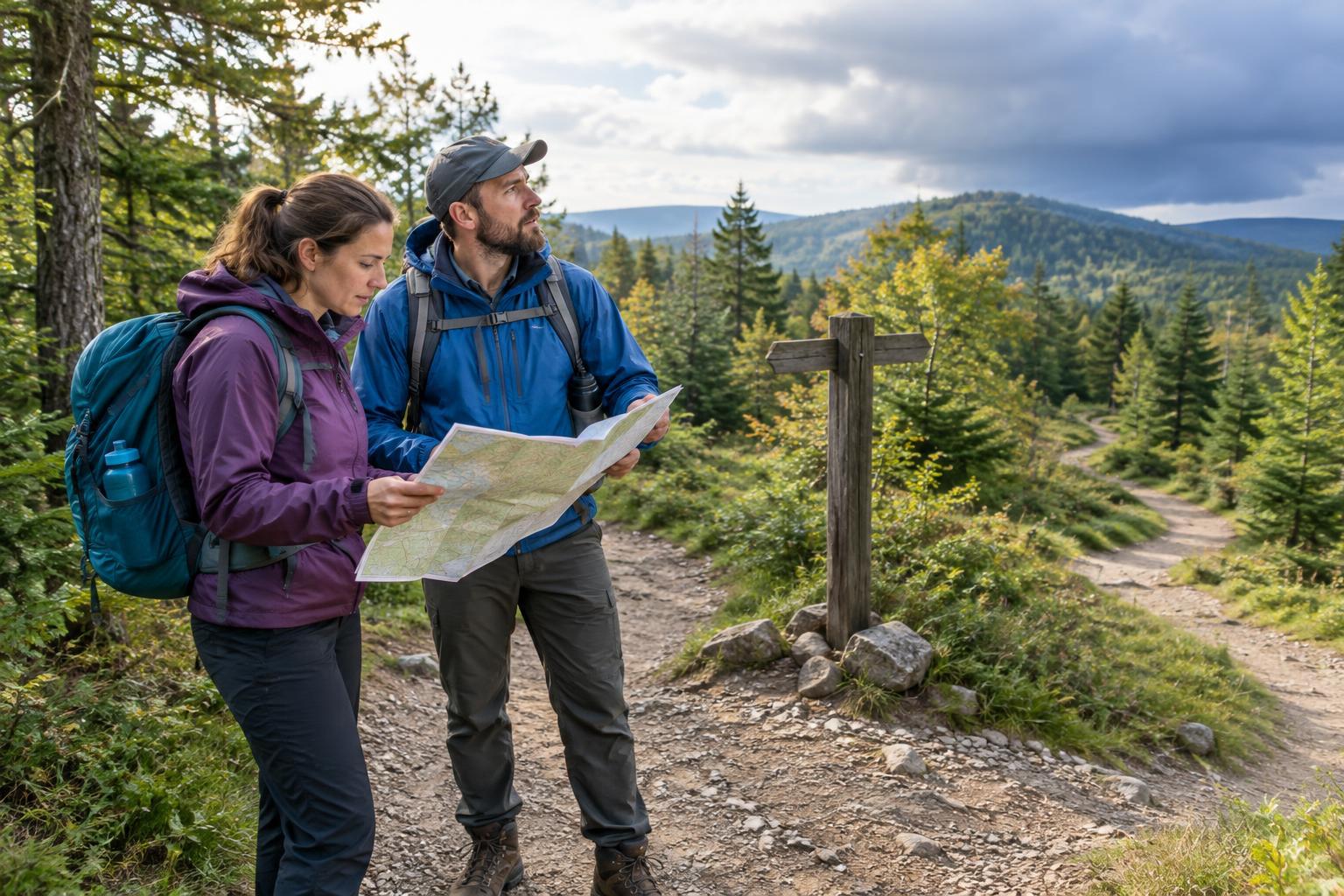
Choose a route that suits your time, footwear and comfort level. A short loop with clear signs is a good first outing. Tell someone where you plan to go if you will be out of contact, and carry water, a charged phone and anything the weather might require. Preparing for your own needs makes it easier to be patient and considerate when the path gets busy.
Make passing easy for everyone
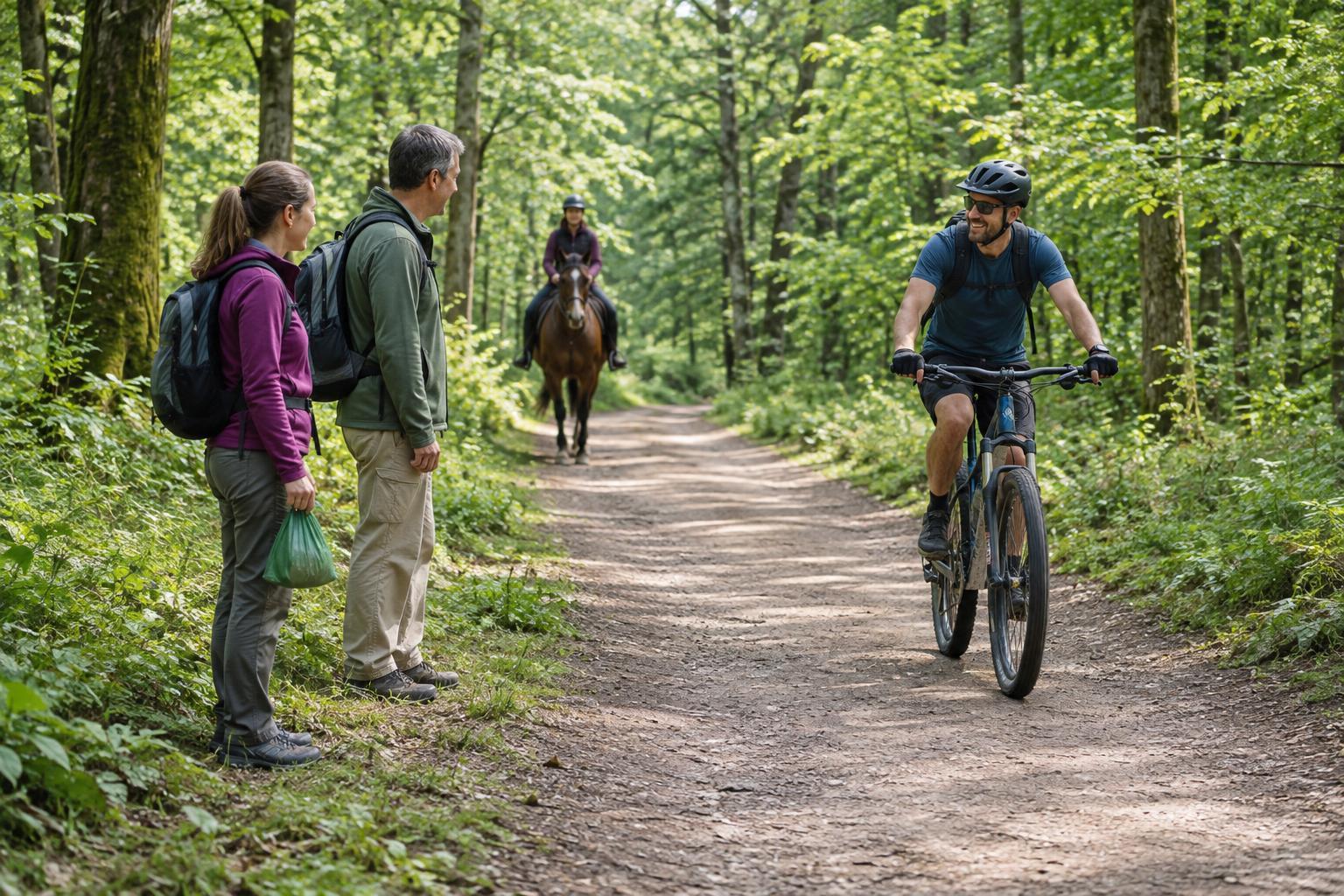
On a narrow path, travel in a single file when someone approaches or wants to pass. If you are moving faster, slow down early and offer a friendly greeting rather than appearing suddenly at someone’s shoulder. If you need to stop, step aside in a durable spot such as a wider part of the trail. Avoid blocking the route to check a map, adjust a pack or take a photo.
Right-of-way customs vary by place and trail type. Hikers going uphill are often given room to keep their momentum, while cyclists are commonly expected to slow or yield to people on foot and to horses. Posted rules may differ. In practice, the safest choice is to communicate, move predictably and let the person with less room or less ability to stop go first. If a horse is approaching, pause, speak calmly to make your presence known and follow the rider’s directions. Give the animal plenty of space; do not rush past it.
Keep the route welcoming
Shared paths work better when everyone can see and hear what is happening. Keep music low enough to notice people approaching, or use headphones at a volume that still lets you hear your surroundings. Be especially thoughtful around blind corners. A bicycle bell or a simple “passing on your left” can help, but wait until there is room rather than assuming the person ahead can move immediately.
Give other visitors space to enjoy the trail in their own way. Some may be moving slowly, learning to ride, managing a dog or using a mobility aid. A brief greeting is plenty; no one owes a conversation. If you are in a group, leave a clear lane for others. When taking pictures, check that you are not holding up traffic or putting someone in the frame without their permission.
Leave the ground, plants and wildlife alone
Staying on the marked path protects fragile edges and helps keep one muddy patch from becoming a web of side trails. Walk through ordinary puddles when it is safe and practical, rather than widening the route to avoid them. Respect barriers and closures even if a shortcut looks harmless. Leave flowers, rocks and natural objects where they are so the next visitor can discover them too.
Watch wildlife from a distance and do not feed it. Food that seems like a treat can change an animal’s behavior, and close encounters can be stressful for both people and wildlife. Keep pets under control and follow leash rules; a friendly dog may still frighten an animal or another trail user. If your dog leaves waste, bag it and carry the bag to an appropriate bin. Leaving a bag beside the trail to collect later is easy to forget.
Take home what you brought
Pack out wrappers, tissues, fruit peels and any other waste, even items that might eventually break down. A small reusable bag in your pocket makes cleanup simple. Use a restroom before you set out when possible; for longer trips without facilities, check the area’s guidance on how to handle human waste. Different landscapes and trail managers may have different requirements.
Before you leave, take a moment to look around your resting spot for anything you dropped. You do not have to make a local walk complicated to make it considerate. Follow the signs, share space generously, stay on the route and carry your belongings home. Those small habits help keep a trail pleasant for the people who come after you.