Start with a small, flexible plan
Pick a neighborhood you can reach comfortably and give yourself a manageable area to explore. A few connected streets, a park and a commercial block can offer plenty for one outing. Check a map before you leave for a likely starting point, a place to take a break and a way back. If you are using transit, confirm where you can board for the return trip rather than assuming you will end up near your original stop.
Choose one loose purpose for the walk: finding an inviting public space, looking at building details, or discovering where people go for everyday errands. A purpose gives you something to notice without turning the outing into a checklist. You can sketch a loop or walk out and back along different streets. Leave room to change course if a block looks interesting or a route feels less comfortable than expected.
Prepare for an enjoyable walk
Wear shoes you can walk in for longer than you expect, and dress for the conditions. Bring water if you may be out for a while, along with a charged phone or another way to navigate. A small amount of flexibility helps too: you might find fewer open shops, more traffic or less shade than you anticipated. You do not need to cover a set distance for the walk to be worthwhile.
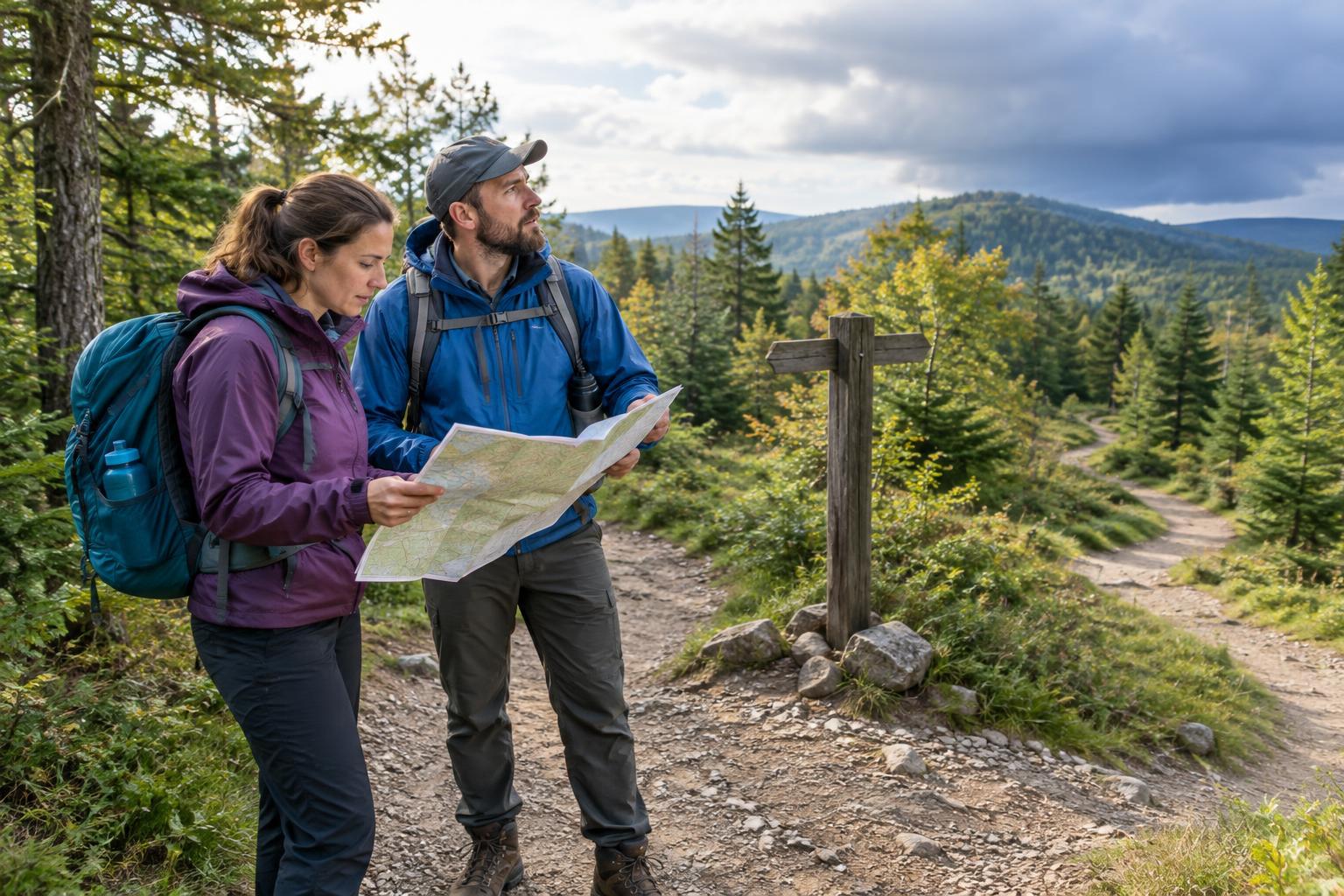
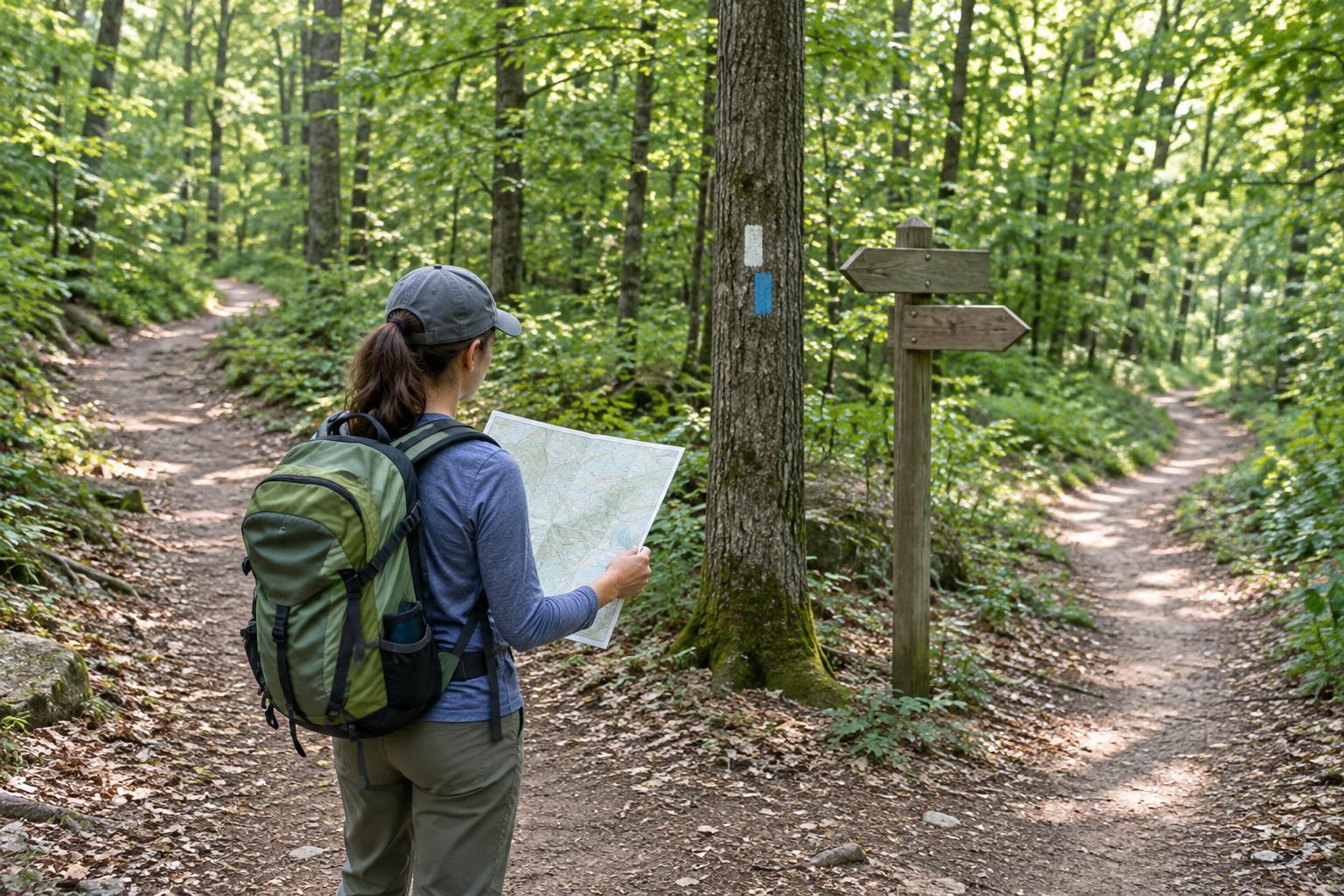
Look at the route with your own needs in mind. Busy crossings, steep streets, uneven paving and limited places to sit can all affect the experience. A map may help you identify parks and main roads, but it cannot tell you everything about sidewalk conditions. Give yourself permission to turn around, shorten the walk or choose a quieter street. Exploring should feel like an invitation, not a test of endurance.
Follow the rhythm of the streets
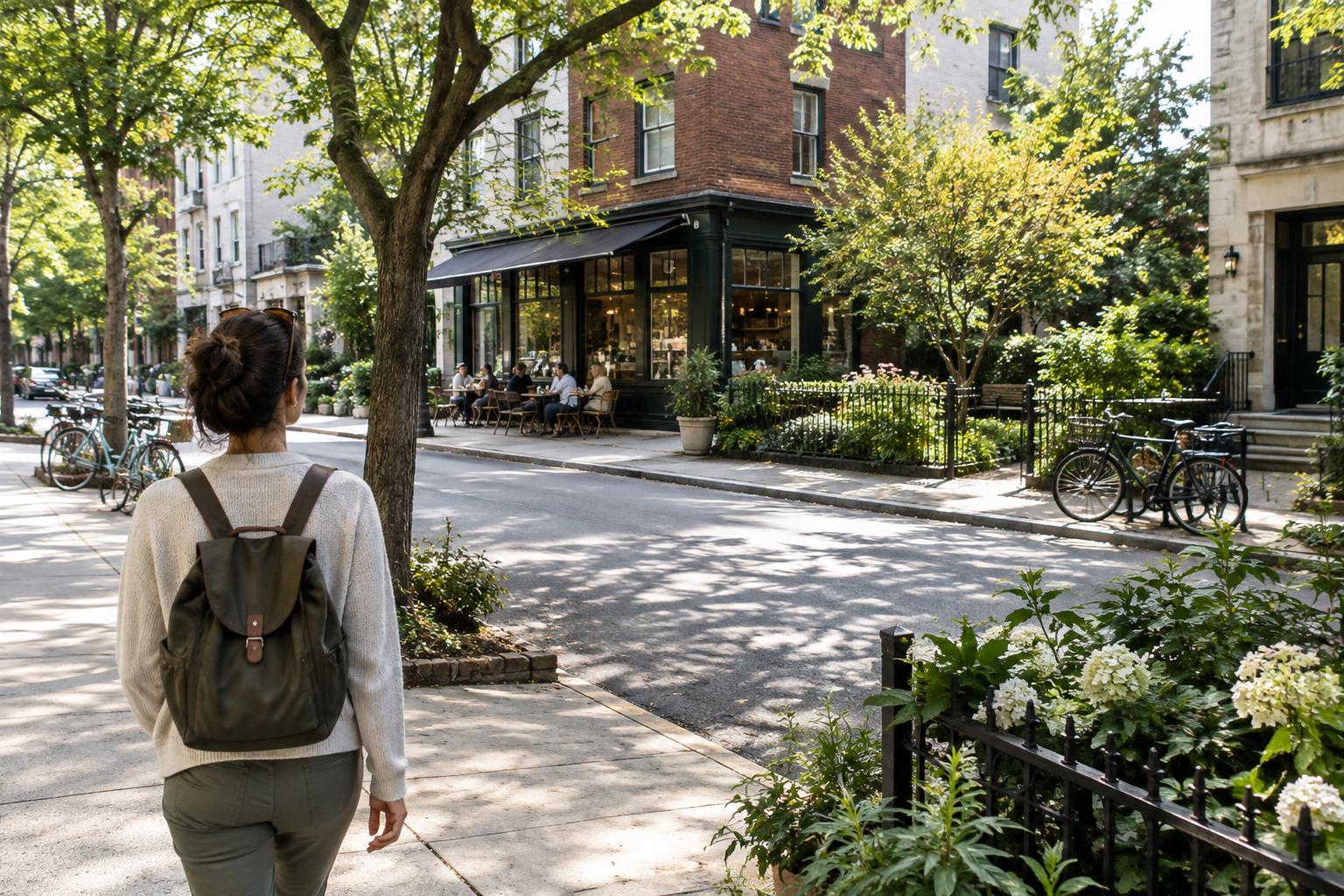
Once you arrive, slow down enough to see what makes the area distinct. Notice how homes, shops and shared spaces meet: a row of front gardens, a cluster of small businesses, a mural visible from a public sidewalk or a noticeboard outside a community space. Listen for changes between a busy road and a residential side street. These ordinary details often give a stronger sense of place than a single landmark.
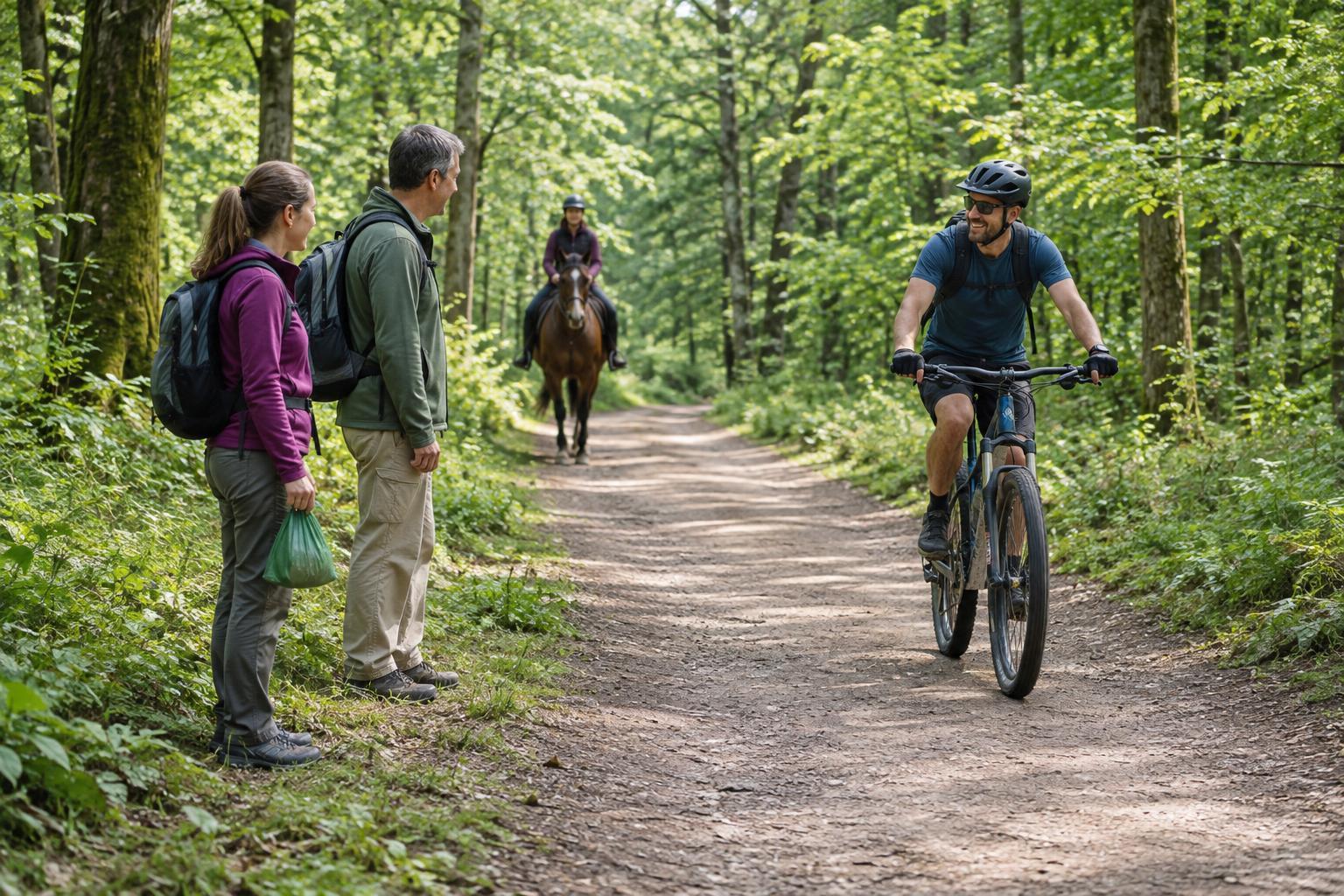
Try an occasional pause instead of walking continuously. At a public square or bench, look back at the direction you came from and see what you missed. Follow posted signs where a path is open to visitors, but respect private entrances and boundaries. If you take photos, be considerate of people nearby and avoid treating someone’s home or daily routine as an attraction. Curiosity works best when it is paired with courtesy.
Make room for a simple discovery
A neighborhood walk can include a low-pressure stop: browsing a public library, visiting a park, looking into an open shop or getting a snack. Check signs for opening hours and access rules rather than building the whole outing around one place. If you would rather not spend money, choose a public space as your destination and bring something to drink. The point is to give yourself time to linger, not to collect stops.
You might also try a small observation game. Look for three different kinds of street trees, compare the signs on older and newer buildings, or notice where people have places to rest. Avoid drawing big conclusions about a neighborhood from one visit; time of day and the streets you choose shape what you see. Treat each observation as a question that could lead to another walk.
Finish with an easy return
Before you get tired, check where you are and how you plan to leave. A return route through familiar streets can help you notice details from a new angle, while a different route can add variety if you still have the energy. Pay attention at crossings, especially when looking at a map, and step aside before stopping to navigate. If a street feels uncomfortable, take a more direct route back.
Afterward, note one place you would revisit and one direction you would explore next time. You may find that a short walk raises better questions than a long one: Where does that path lead? Is the park quieter at another hour? Small follow-up trips let you get to know an area gradually, without the pressure to see everything in a single afternoon.