Start with what the herb needs to do
Fresh and dried herbs are not simply stronger and weaker versions of the same ingredient. Drying removes water and changes an herb’s aroma and texture. Fresh herbs can bring a bright scent, a tender bite and a bit of color. Dried herbs are convenient for building flavor into food as it cooks. The best choice depends less on a rule about which is better and more on when and how you plan to use it.
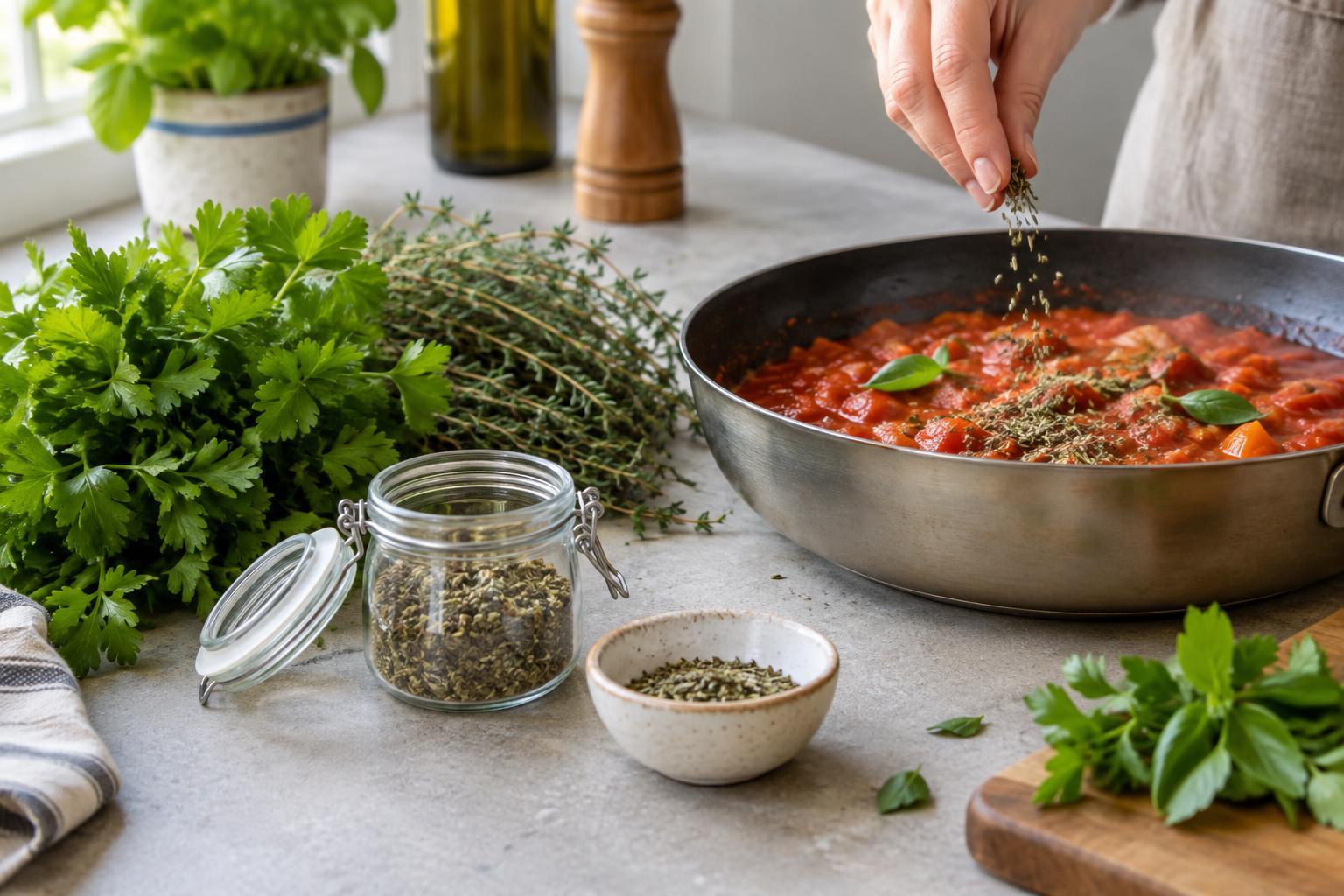
If the herb will be noticeable in the finished dish, fresh is often appealing. Think of parsley scattered over roasted vegetables, cilantro stirred into a bowl just before serving, or basil added to a sandwich. If the herb will spend time in a pot, dried may be just as useful: oregano in a tomato sauce, thyme in a bean stew or rosemary in a long-cooked soup. You can also use both, adding dried herbs during cooking and fresh herbs at the end.
Consider cooking time and heat
Dried herbs need a little time and moisture to spread their flavor through a dish. Add them early enough to mingle with a sauce, broth or marinade. For a quick pan sauce, rubbing dried herbs between your fingers before adding them can break up larger pieces and release some aroma. In a dish with very little liquid, such as roasted potatoes, toss the dried herbs with oil so they coat the food more evenly.
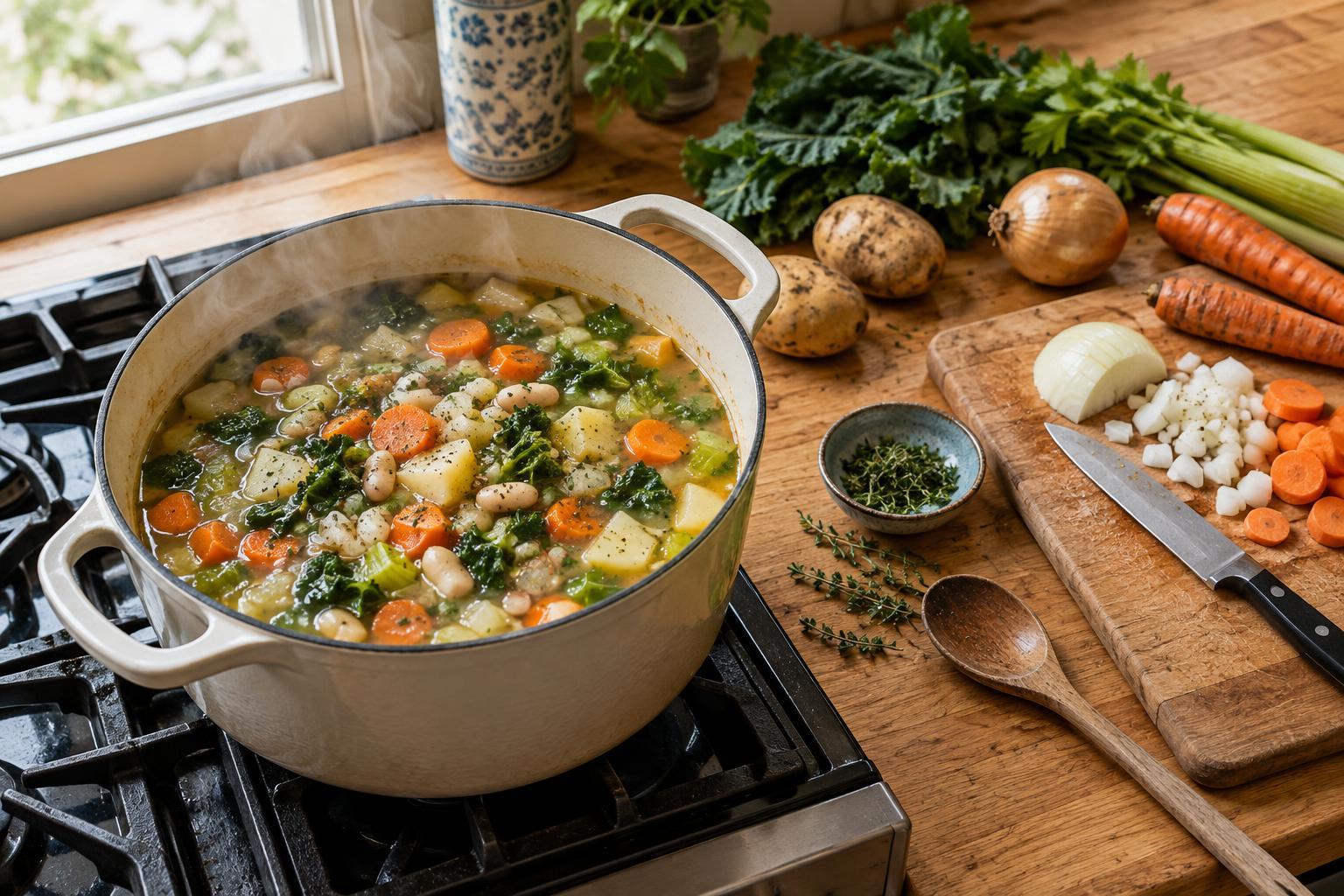
Tender fresh herbs usually make the biggest impression near the end of cooking. Basil, dill, cilantro, mint, chives and parsley can lose some of their lively character with prolonged heat. Stir them in after turning off the heat, or use them as a finishing touch. Sturdier fresh herbs, including rosemary, thyme and sage, can stand up to more cooking. For example, a sprig of thyme can simmer in a pot of beans; remove the stem before serving.
Substitute by tasting, not just measuring
A useful starting point is about one teaspoon of dried herb for one tablespoon of chopped fresh herb. This is a guide, not a promise of identical results. The strength of dried herbs varies with their age and how they were stored, while a handful of fresh herbs may have a different flavor from one bunch to the next. Start modestly, let the herb spend a little time in the dish, then taste and adjust.
Some swaps work more smoothly than others. Dried oregano can stand in for fresh oregano in a sauce, and dried thyme can flavor a soup when fresh thyme is unavailable. Dried parsley, however, will not provide the leafy texture of a fresh parsley garnish. Dried basil can season a cooked tomato dish, but it will not give a salad the same aroma or appearance as fresh basil. When texture and color are central to the dish, consider choosing a different fresh herb rather than making a direct swap.
Store each kind to preserve its usefulness
Keep dried herbs in tightly closed containers away from heat, light and moisture. A shelf near the stove may be handy, but a cooler cupboard is usually kinder to their flavor. Rather than shaking a jar over a steaming pot, measure what you need into your hand or a spoon; steam can introduce moisture into the container. If an herb smells faint or dusty when you open it, you may need more to notice it, or it may be time to replace it.
Fresh herbs need different care. Refrigerate most tender bunches loosely wrapped to limit wilting, and check that they are not sitting in excess moisture. You can also stand stems of parsley or cilantro in a small jar of water in the refrigerator, with the leaves loosely covered. Basil is sensitive to cold, so a short stay in water at room temperature may suit it better. Wash herbs before use, dry them gently and discard any that have become slimy.
Choose with the finished plate in mind
When planning a meal, ask two questions: Will the herb cook into the food, or will you notice it as you eat? A dried herb is an easy choice for a simmered lentil soup. Fresh herbs can lift that same soup at the table. For an omelet, dried thyme can go into the eggs before cooking, while chopped chives are best added just before serving. Neither approach is automatically more skillful; they create different results.
If you are learning how an herb behaves, try it in a familiar dish. Make a simple pot of rice or beans and season part with a dried herb during cooking. Add its fresh counterpart to another portion at the end. Tasting the difference will help you decide what you prefer the next time a recipe offers a choice—or your kitchen only has one version available.