Start by naming what the dish needs
Balancing flavor does not mean adding equal amounts of salt, acid and sweetness. It means tasting the food you have and deciding what would make it more enjoyable. Salt helps bring existing flavors forward. Acid, such as lemon juice or vinegar, can make a rich dish feel brighter. Sweetness can soften a sharp or bitter edge. The right balance depends on the ingredients: a tomato sauce and a bowl of roasted carrots should not taste the same.
Before reaching for a seasoning, take a small bite that includes the main ingredients. Ask a specific question: Does it taste dull, too sharp, too sweet or simply bland? Also consider whether the food is meant to be served hot or cold. Taste it again near its serving temperature, since your impression can change as it cools. Making one small adjustment at a time is more useful than adding several ingredients and guessing which one helped.
Use salt to clarify, not dominate
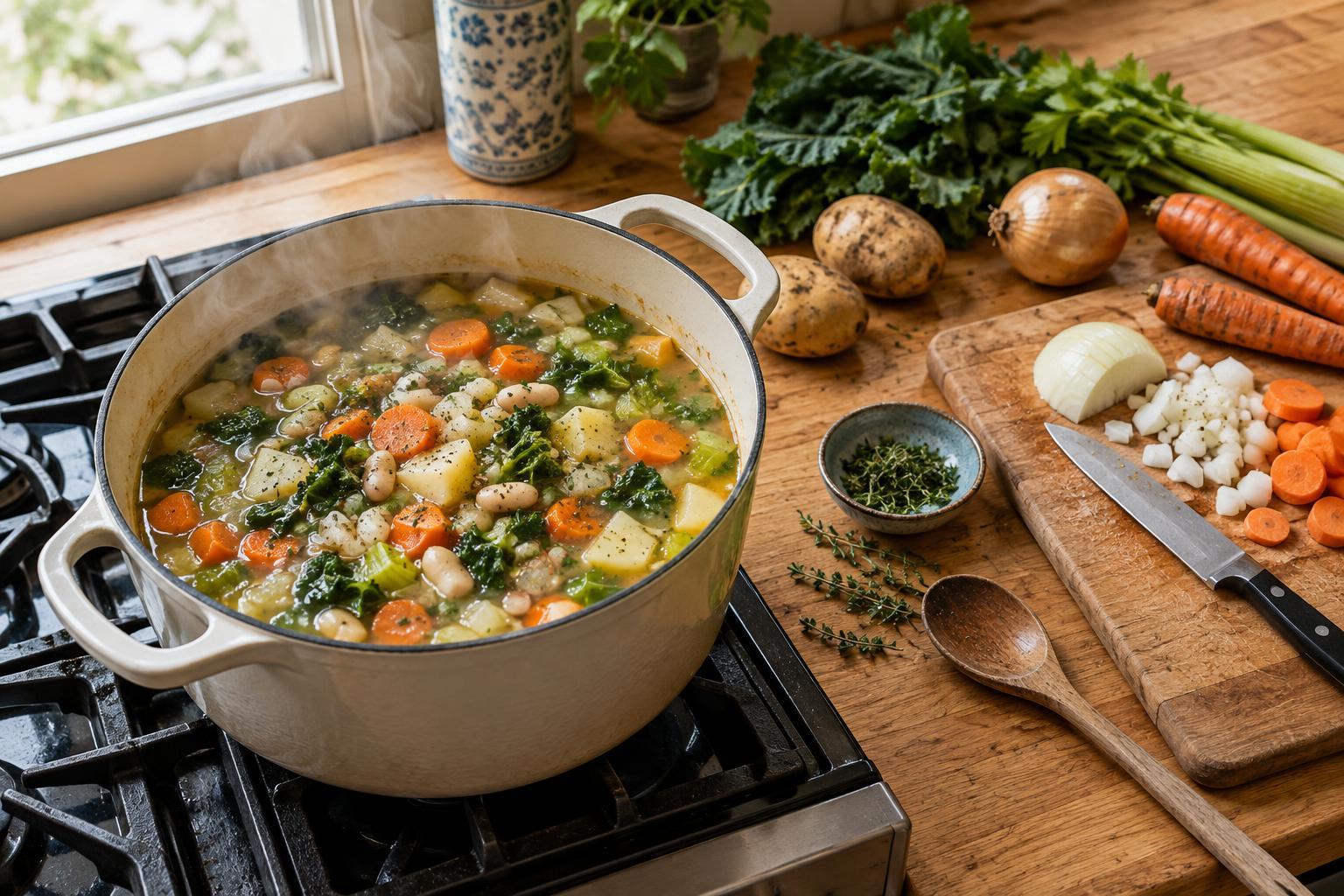
When a soup, sauce or cooked grain tastes muted, a little salt may help its other flavors become easier to notice. Add a small amount, stir well and taste again. This matters especially in large pots, where seasoning may not be evenly distributed until the food has been stirred. Salty ingredients such as cheese, olives, soy sauce and stock also count, so taste before adding salt by habit.
If the food already tastes distinctly salty, more acid or sugar will not remove the salt. You may be able to spread it through a larger amount of unsalted ingredients: add plain cooked beans to a salty bean soup, for example, or serve a concentrated sauce with more unseasoned pasta. For a dish that will simmer longer, season cautiously at first. As liquid cooks away, its salty flavor can become more pronounced.
Use acid for lift and contrast
Acid is often useful when a dish tastes heavy or lacks definition despite having enough salt. A squeeze of citrus can brighten roasted vegetables; a few drops of vinegar can give a hearty stew more contrast. Start small, mix and taste. Adding acid near the end makes it easier to judge the effect in the finished dish, although recipes may also use acidic ingredients earlier for other reasons.
Choose an acid that suits the food. Lemon juice brings its own citrus flavor, while different vinegars can taste mild, fruity or quite assertive. If you are adjusting a creamy dish, add acid gradually and stir; a large addition can change its texture as well as its taste. When a dish becomes too sharp, try adding more of its non-acidic ingredients rather than chasing the sharpness with spoonfuls of sugar.
Treat sweetness as a small adjustment
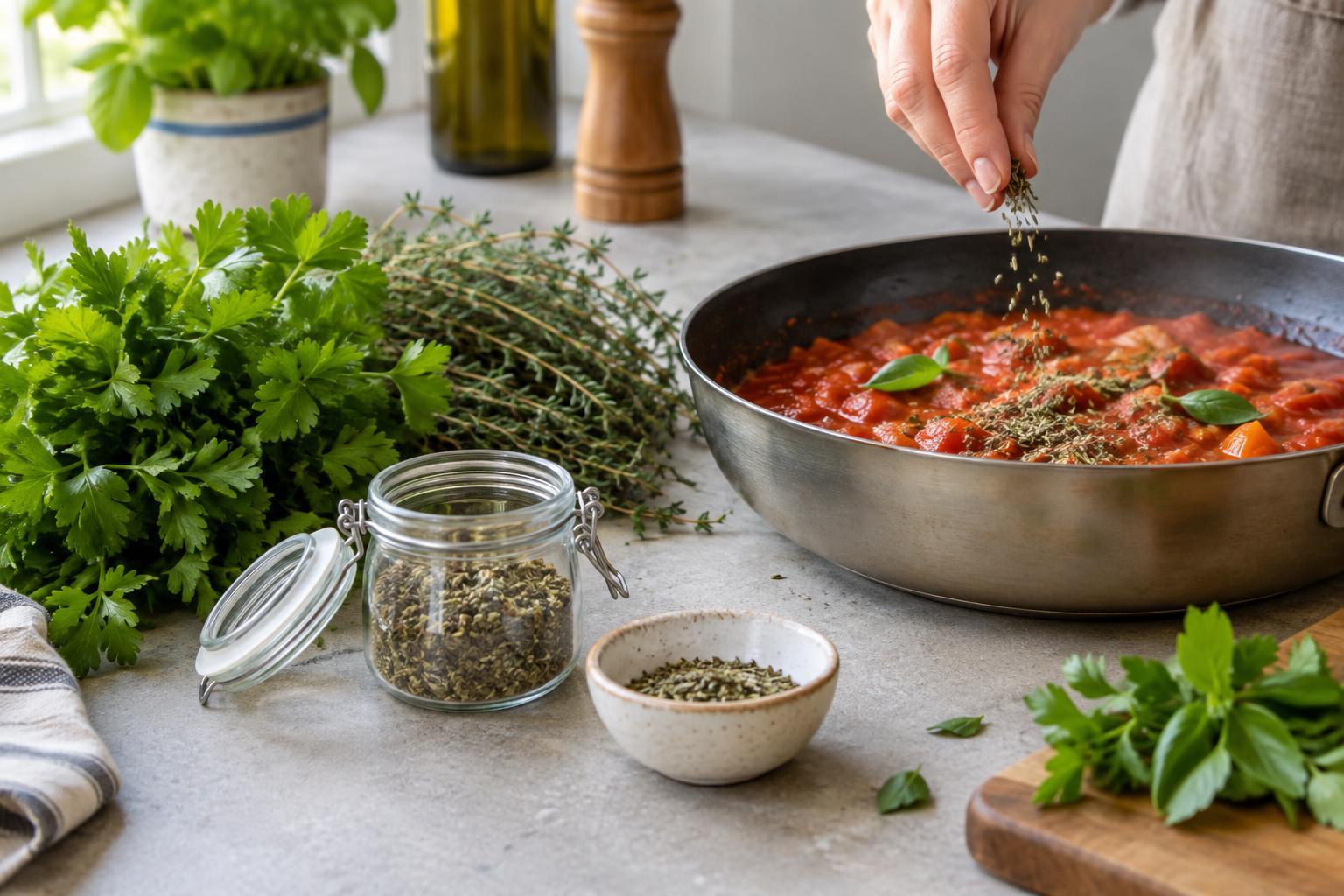
Sweetness can round out a tart tomato sauce, a sharp dressing or a slightly bitter cooked vegetable. That does not always require sugar. Caramelized onions, roasted vegetables, fruit and other ingredients can contribute sweetness while adding their own flavors. If you do use sugar or honey, begin with a small amount. The goal in a savory dish is often to soften an edge without making it taste sweet.
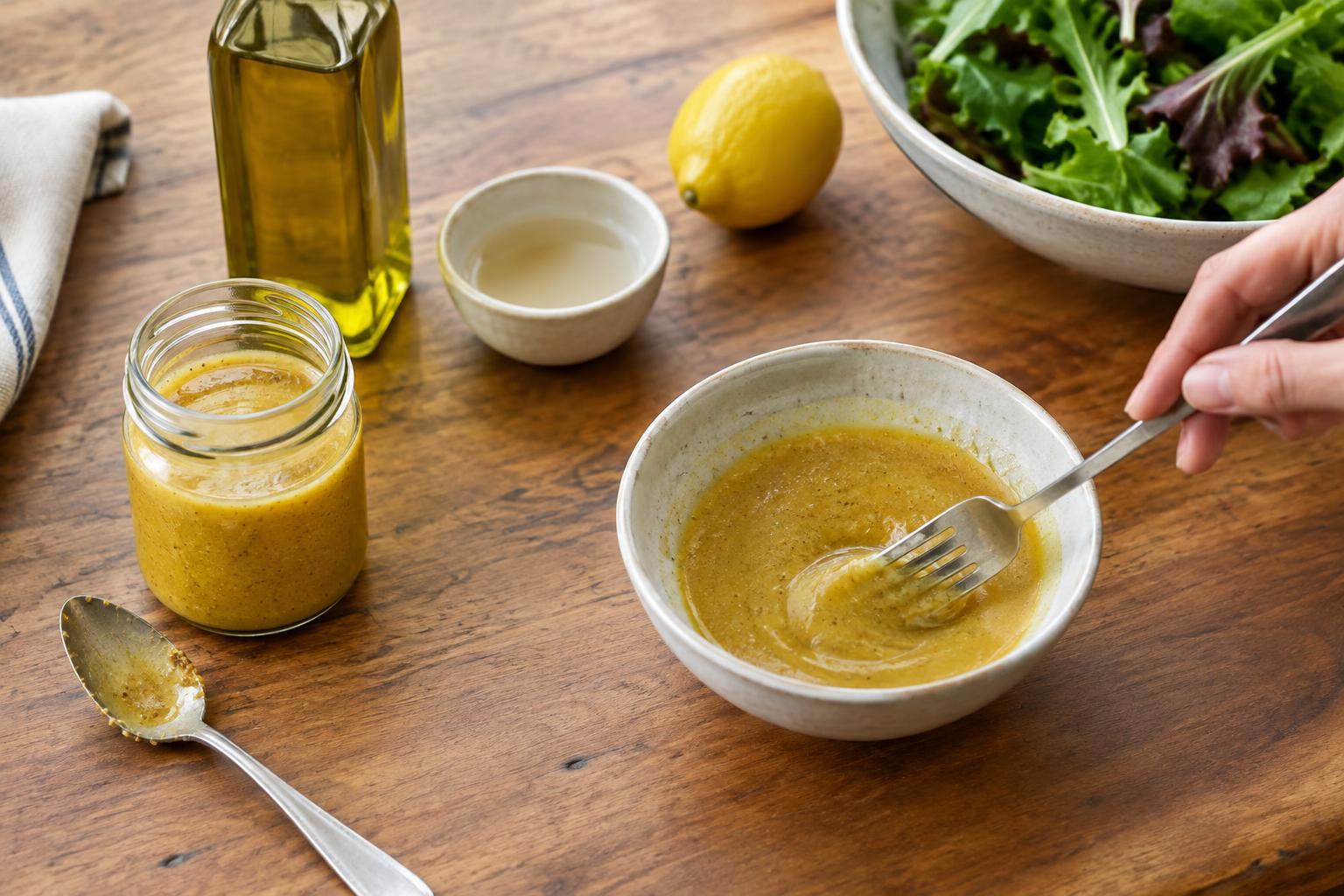
An overly sweet dish may benefit from acid, salt or a larger share of unsweetened ingredients, depending on what it contains. A sweet salad dressing, for instance, might improve with a little more vinegar and mustard. Taste after each change rather than assuming one ingredient is the universal fix. You cannot reliably cancel one strong flavor by adding another strong flavor; sometimes dilution gives you more control.
Practice with a simple tasting routine
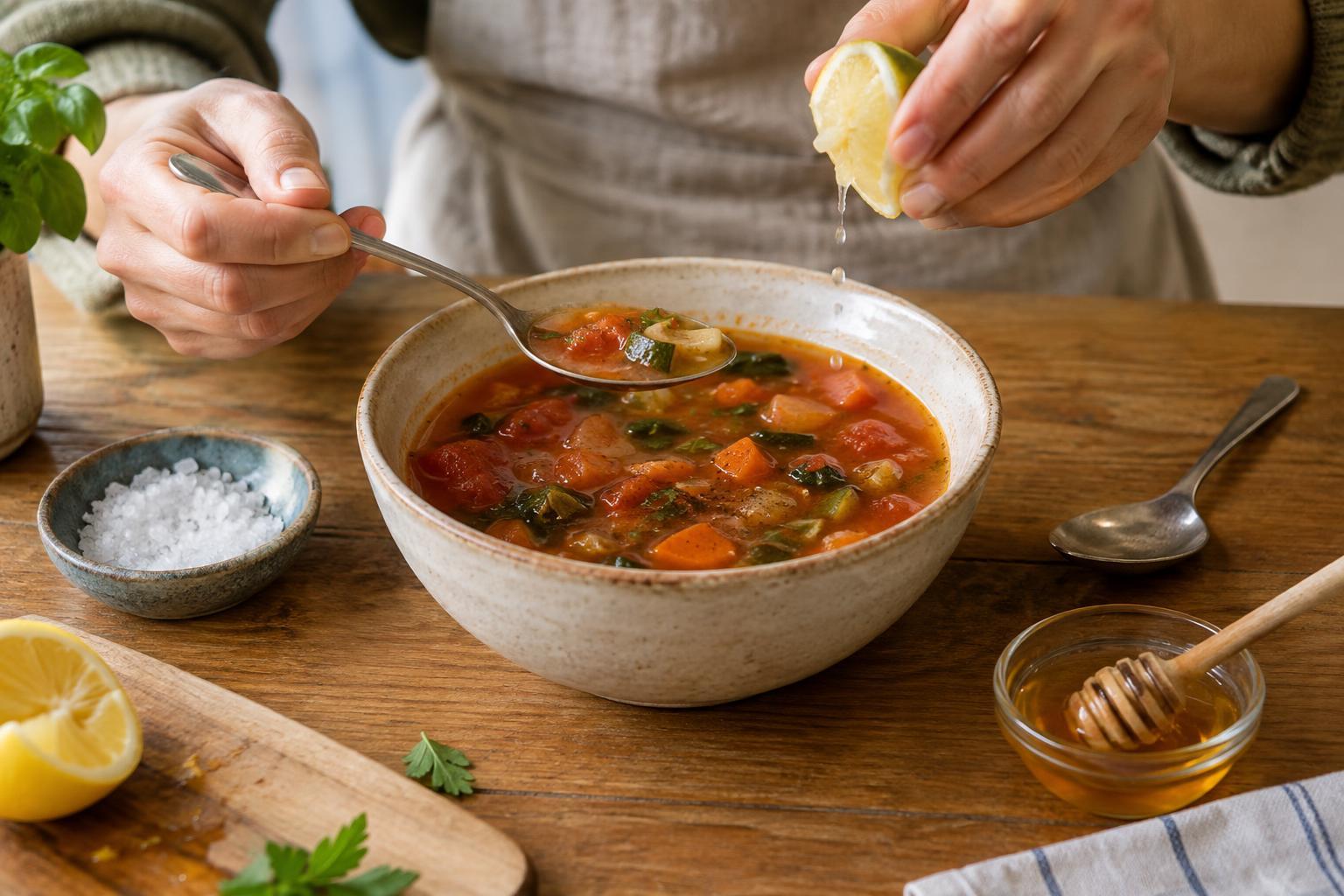
Try the method on something familiar, such as a pot of lentils or a quick tomato sauce. Set aside a spoonful as a reference. Taste the dish, identify one problem and make a modest adjustment to the pot. Stir, taste again and compare it with the reference. If it now tastes clearer but still a little flat, make another small adjustment. Stop when the dish tastes good with the food you plan to serve alongside it.
For a low-stakes experiment, divide a little plain cooked food among three small bowls. Add a pinch of salt to one, a few drops of lemon juice to another and a tiny amount of sweetness to the third. Taste how each changes the same starting food. This makes the roles of these ingredients easier to recognize later, when they appear together in a finished meal. The most useful habit is not memorizing a formula; it is tasting carefully, changing one thing and tasting again.