Start with the task, not the tools
Before opening a paint can or setting up a ladder, walk through the job from beginning to end. Where will you stand? What will fall, spray or become airborne? Where will you put tools while your hands are busy? These questions can reveal simple changes that make the work easier, such as clearing the floor, moving furniture or doing part of the job at a workbench instead of overhead.
Choose a workspace with enough light and room to move. Keep children and pets away from the work area, and avoid leaving cords where someone might trip. Read the instructions for any tool or product you plan to use; different materials can require different precautions. If a task involves damaged wiring, a roof, an unstable structure or a material you cannot identify, pause rather than trying to solve it with extra protective gear. Changing the plan or getting qualified help may be the safer choice.
Use ladders as stable work platforms
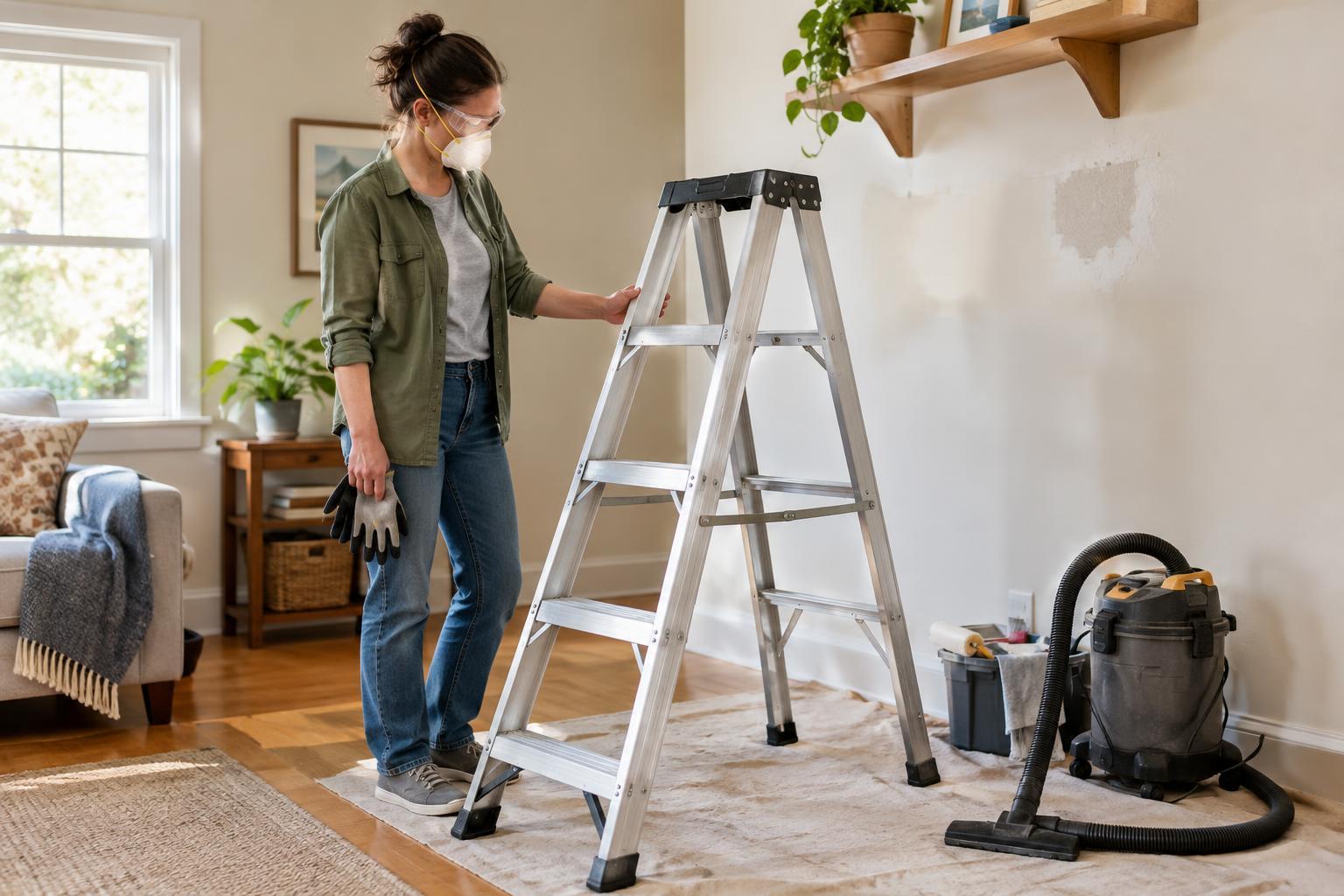
Pick a ladder that lets you reach the work without standing on prohibited steps or stretching to the side. Inspect it before use for damaged feet, loose parts or other visible defects. Set it on firm, level ground, fully open a stepladder and lock its spreaders. Do not place a ladder on boxes or furniture to gain height. For an extension ladder, follow the maker’s instructions for positioning and securing it.
Face the ladder while climbing and keep a secure grip. Carry small items in a tool belt or raise them separately rather than climbing with both hands full. Work with your body centered between the rails; if you have to lean, climb down and move the ladder. Keep the area below clear so a dropped tool does not hit someone. Wind, wet surfaces and awkward overhead work can make an otherwise familiar task much less stable, so reassess the setup when conditions change.
Keep dust from spreading
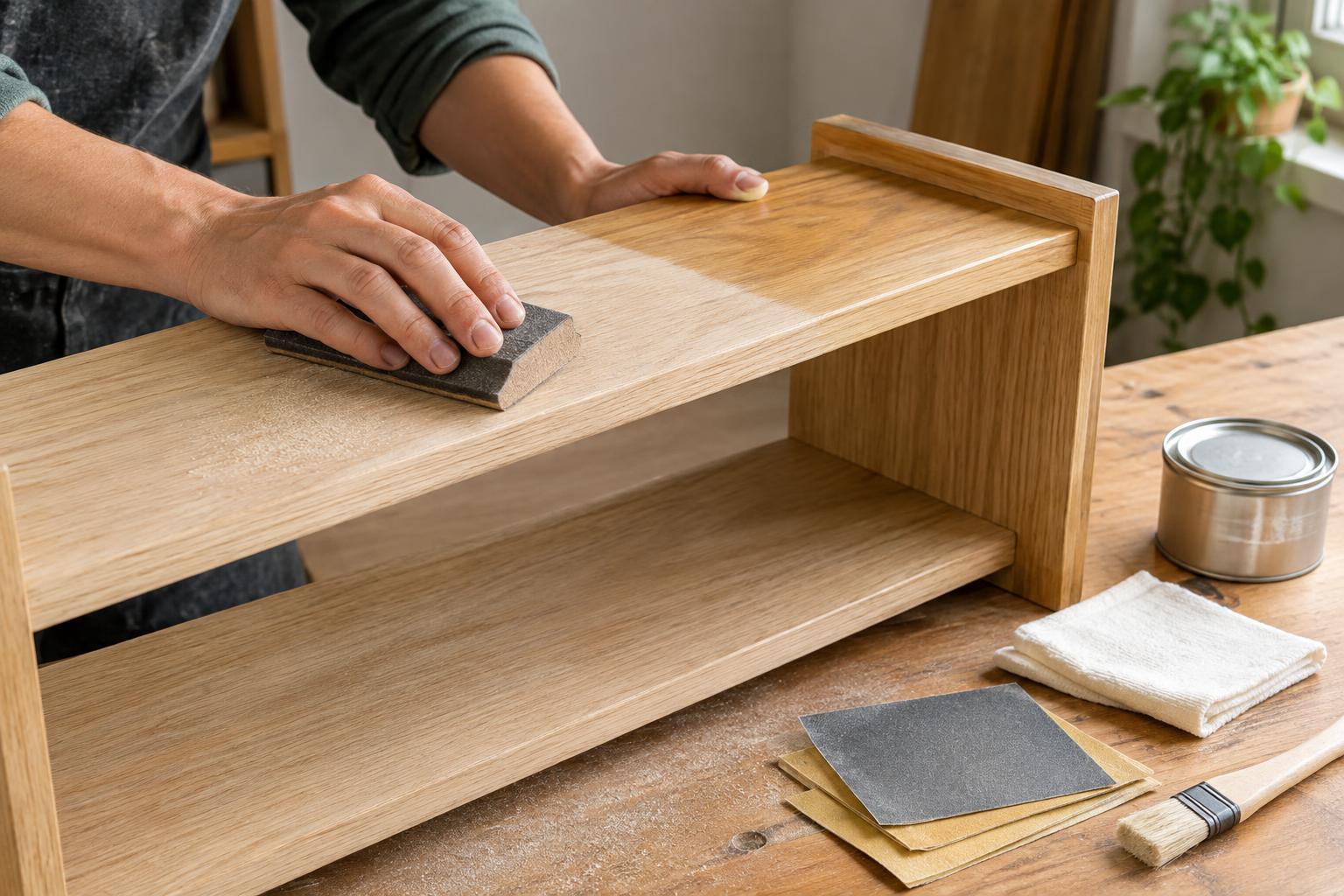
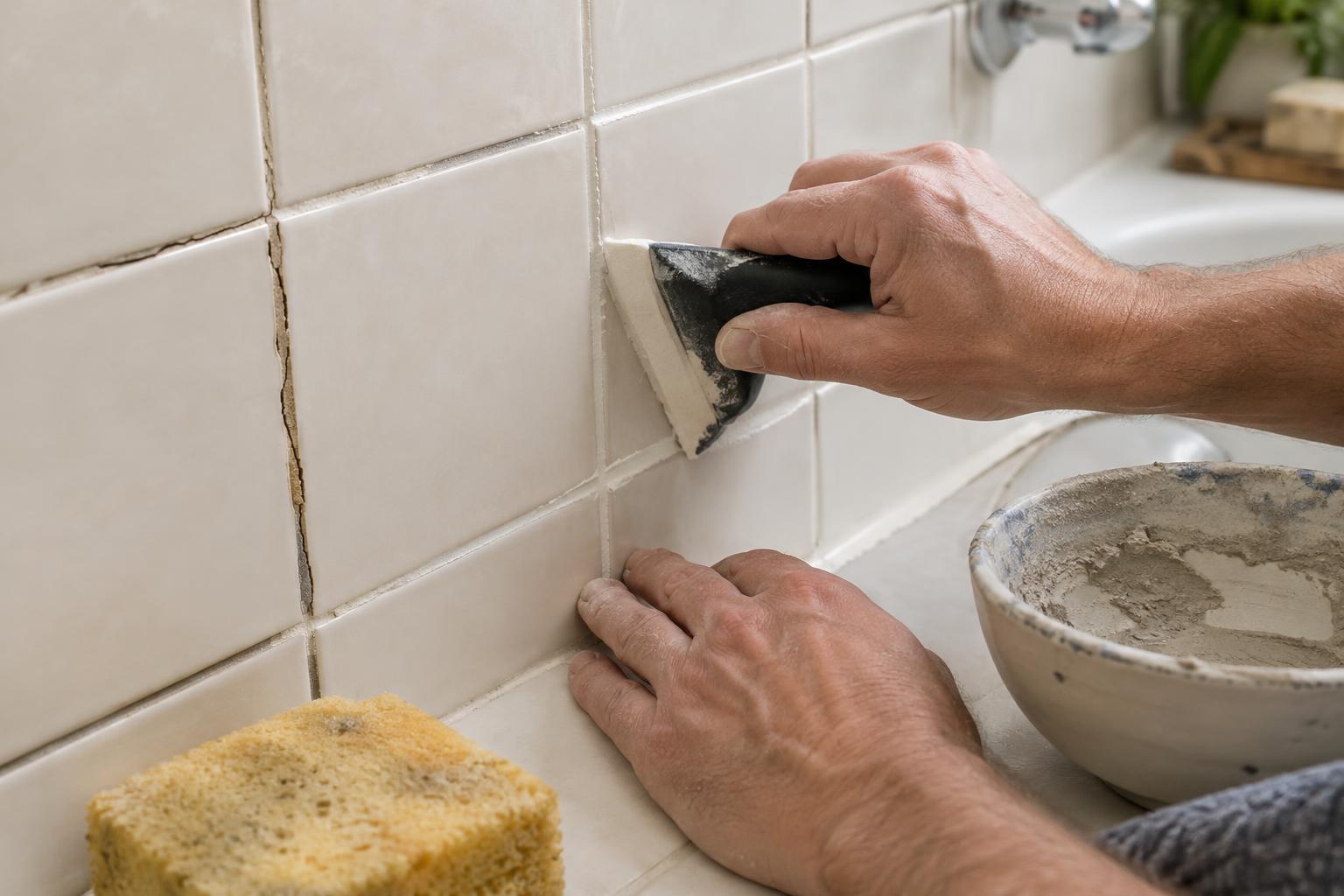
Sanding, drilling and cutting can create dust that is unpleasant to breathe and difficult to clean once it travels through a room. When the task allows, work outside or isolate the work area with closed doors or temporary coverings. Remove or cover nearby belongings, and use a tool with dust collection if one is available and suitable. A vacuum designed for fine project dust may help during cleanup; ordinary sweeping or a strong fan can send fine particles back into the air.
Dust is not always just a housekeeping problem. Older paint, some building materials and masonry can call for precautions beyond those used for everyday sawdust. If you suspect a hazardous material, do not sand or disturb it while guessing at the right mask. Stop and seek guidance appropriate to the material and your location. Even for familiar materials, follow the product and tool instructions, and clean the work area before removing protective gear.
Match protective gear to the hazard
Safety glasses help protect against flying chips and splashes; goggles may be more suitable when dust or liquid can get around the edges. Hearing protection is worth considering for loud power tools, especially during repeated or lengthy use. Gloves can protect hands from rough edges and some products, but they are not suitable for every tool: loose gloves can catch in moving parts. Check the tool instructions and choose clothing that will not dangle into the work.
For dusty work, select respiratory protection suited to the material and task, and follow its instructions for fit and use. A loose covering may not provide the protection you expect, and a particle-filtering mask is not a substitute for protection against fumes or vapors. If a finish, adhesive or cleaner has specific ventilation or protective-equipment directions, follow them rather than assuming that one set of gear works for every project.
Build in a final check
Set out the gear you need before you start so you are not tempted to skip it for a “quick” cut or a few minutes of sanding. Keep your phone accessible, but do not use it while climbing or operating a tool. When you take a break, leave the space in a safe state: unplug tools that are not in use, close product containers and put sharp items where they cannot be knocked off a surface.
At the end, allow airborne dust to settle before cleaning it up in a way that avoids stirring it back into the room. Store gear according to its instructions and replace anything damaged or too worn to work properly. The aim is not to make every small project complicated. It is to make checking your footing, controlling dust and choosing appropriate protection ordinary parts of the job.