Start with what makes the visit work for you
Accessibility is not a single feature that an attraction either has or lacks. A step-free entrance may be essential for one visitor, while another needs a quiet place to rest, clear signs, seating along the route or information in an accessible format. Before looking at a venue’s website, write down the parts of a visit that matter most to you and anyone joining you. Think through the trip from arrival to departure, rather than focusing only on the main exhibit or activity.
It helps to separate must-haves from preferences. You might need a route without stairs, an accessible restroom and a place to sit, but be flexible about which entrance you use. Or your main concern might be avoiding crowds and loud sound. A short personal checklist makes it easier to compare options without having to remember every question at once.
Trace the whole journey, not just the doorway
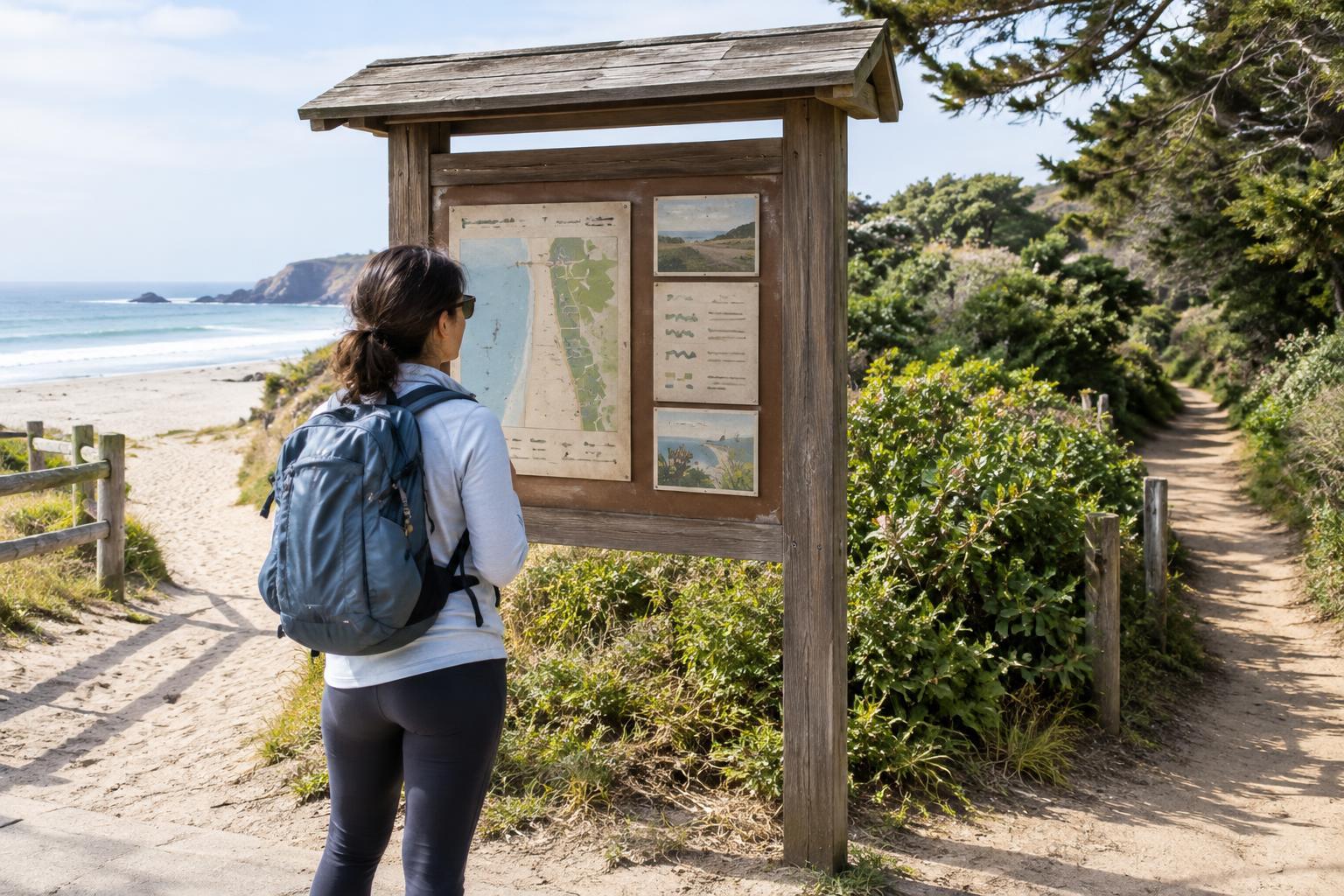
Start with the attraction’s accessibility page, visitor information and map, if available. Look for details about parking, public transit stops, drop-off points and the path from arrival to the entrance. Check whether the accessible entrance is the main entrance or somewhere else, and whether you need staff assistance to use it. At outdoor sites, consider the ground surface, slopes, distance between points of interest and places to shelter from the weather.
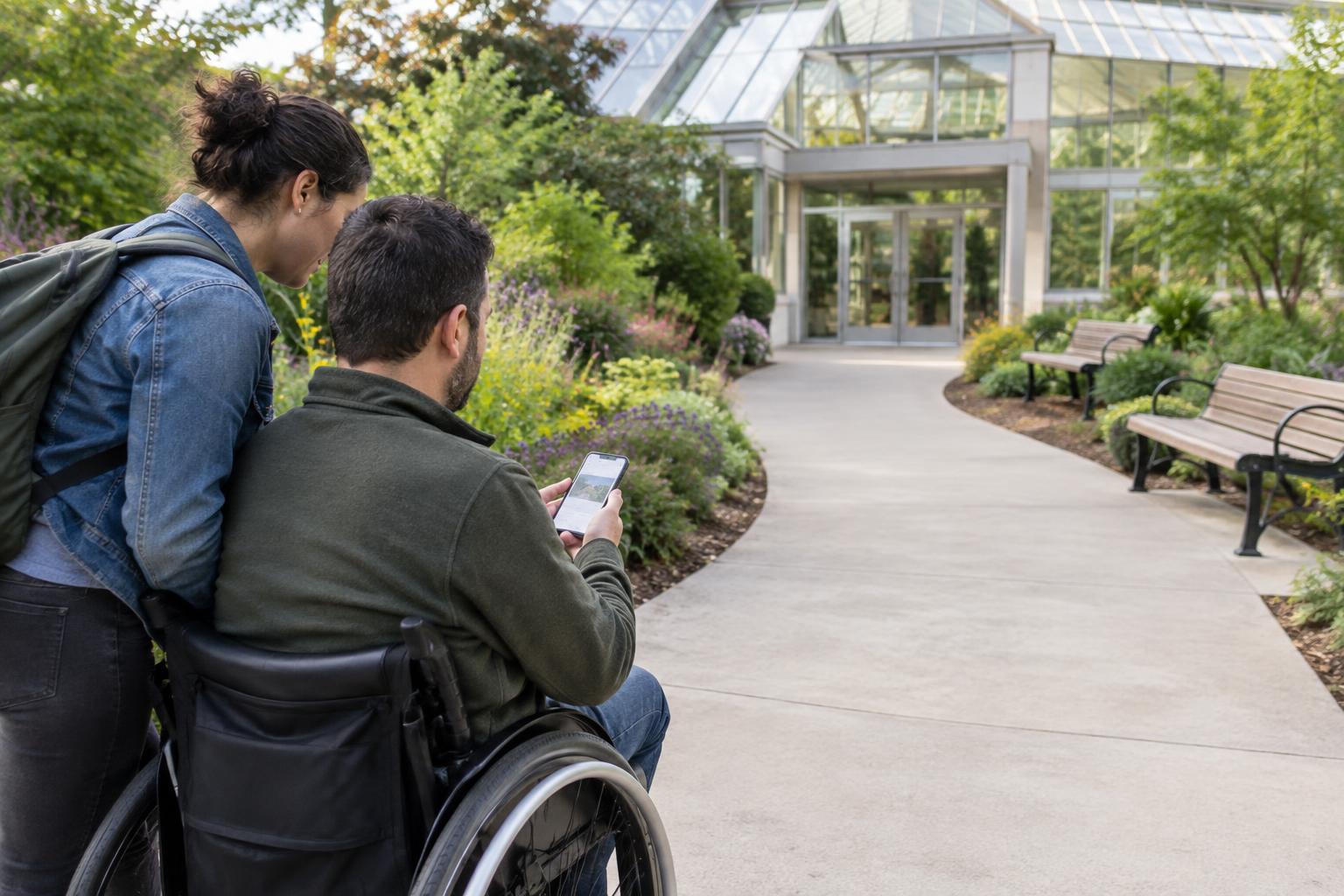
Then follow the route inside. Are lifts available where you would need them? Are there steps between galleries, seating areas, cafés or restrooms? A statement such as “wheelchair accessible” can be a useful starting point, but it may not tell you whether every part of the attraction is reachable. Photos and visitor maps can help you form questions; they may not show temporary changes or the conditions you will encounter on the day.
Check the experience as well as the space
A physically accessible route does not answer every practical question. Depending on your needs, look for information about seating, restroom locations, captioning, audio description, printed materials, lighting and sound. Ask whether a guided activity requires standing, moves quickly or takes place in a dim room. For a garden or festival, find out whether there are quieter areas and how far apart rest points are.
If you use an assistance animal, mobility aid or other equipment, check the attraction’s relevant policies and any practical arrangements before leaving. If you are visiting with a companion or support person, ask how tickets or reservations work for your group. You do not need to explain private details to ask whether a particular facility or arrangement is available.
Ask specific questions when information is missing
If a website is vague, contact the attraction directly. Email can be useful when you want a written answer; a phone call may be easier for a quick exchange. Name the part of the visit you are planning and ask about observable details. For example: “Is there a step-free route from the parking area to the exhibition?” or “Are there seats along the garden path?” Specific questions are easier to answer than “Is the site accessible?”
Ask about anything that could change your plan, such as lift availability, construction, timed entry or a different entrance for an event. If the person you reach does not know, ask whether someone else can confirm. Keep the answer with your booking details, especially if it includes directions or an arrangement you will need on arrival. If a crucial question remains unanswered, consider a different attraction rather than relying on an assumption.
Build a flexible plan for the day
Even a well-checked visit can feel different from what you expected. Give yourself enough time to find the entrance, take breaks and change course. Save the address, contact details and any instructions somewhere you can access without an internet connection. If you are traveling with others, share the parts of the plan that affect the group, such as where to meet or when to pause, without feeling obliged to disclose personal information.
Choose a manageable goal for the outing: one gallery, a short loop or a single event may be more enjoyable than trying to cover everything. Check key details again shortly before you leave, since schedules and facilities can change. The aim is not to predict every obstacle. It is to know what matters to you, confirm what you can and leave room to enjoy the place at your own pace.