Start with a familiar route
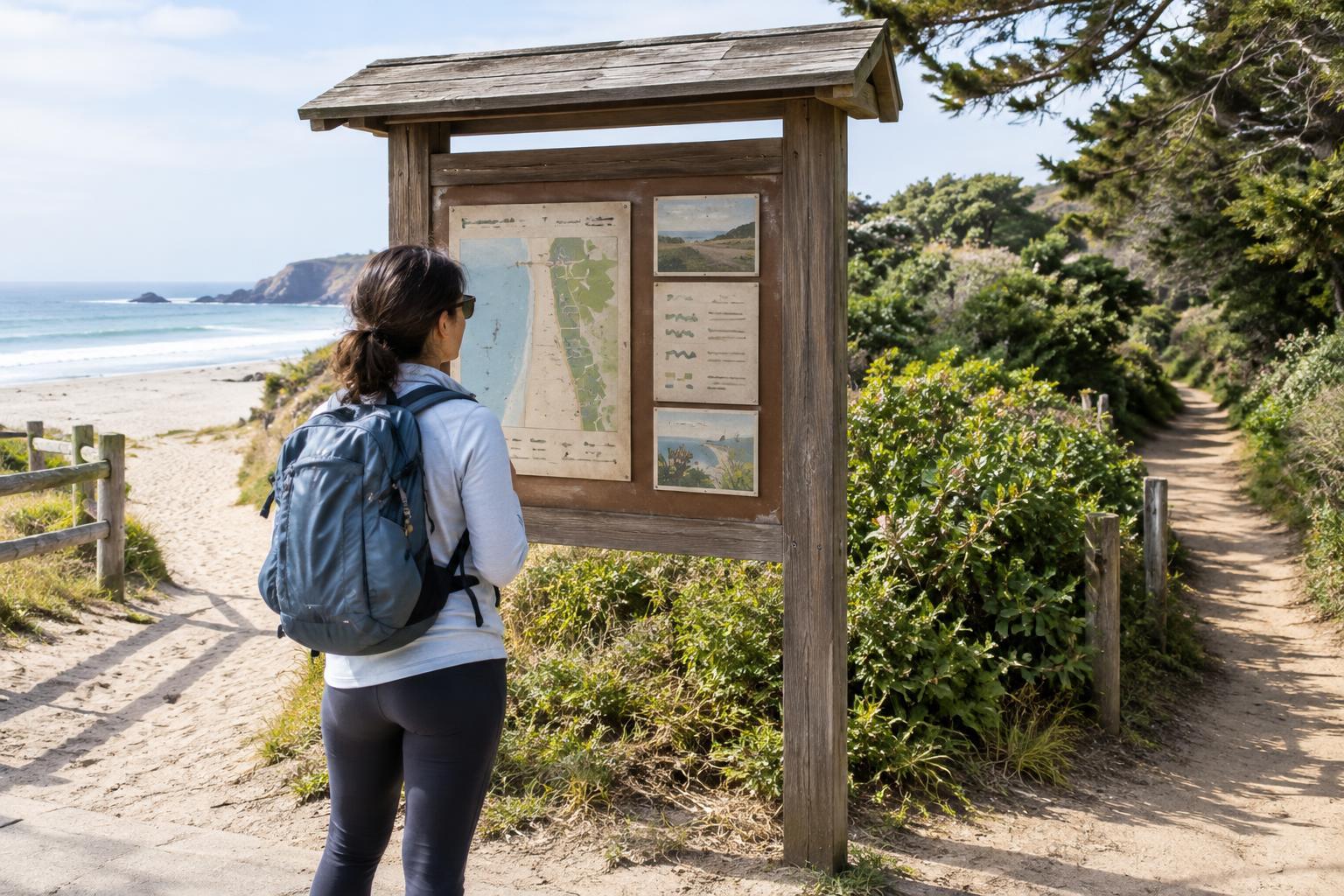
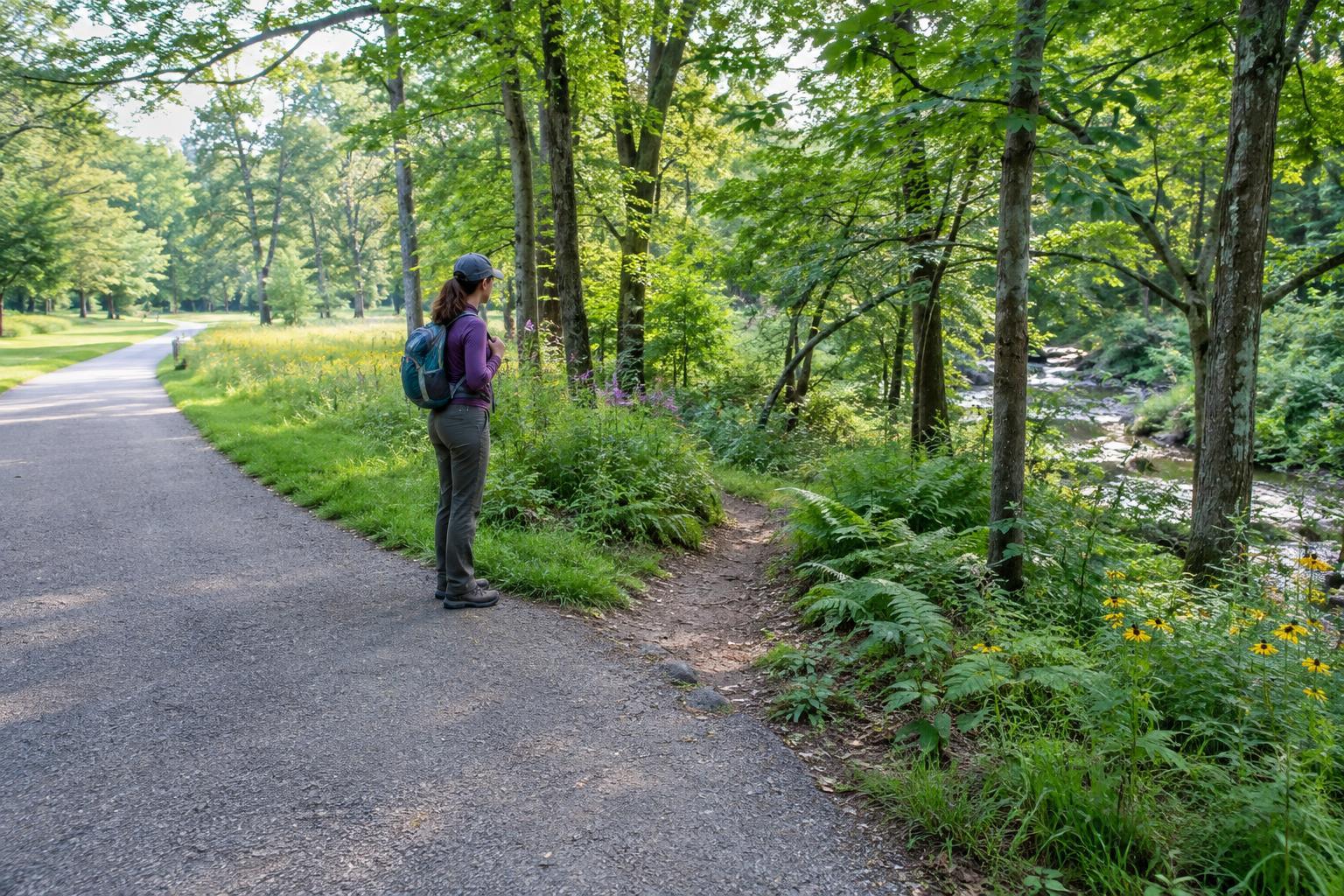
Birdwatching can begin on the same streets you already use for errands or exercise. Choose a route you know well, such as a loop past a few trees, a small park, or a shared green space. Familiarity makes it easier to notice what changes from one walk to the next. You do not need to find an impressive destination; the aim is to pay closer attention to an ordinary place.
For your first outing, allow a little more time than you would for a normal walk. Leave room to stop safely without blocking a path or driveway. Wear comfortable shoes and take water if you usually would. Binoculars can be useful, but they are optional: you can learn a great deal by watching silhouettes, movement, and behavior with your eyes alone.
Look for clues before looking for names
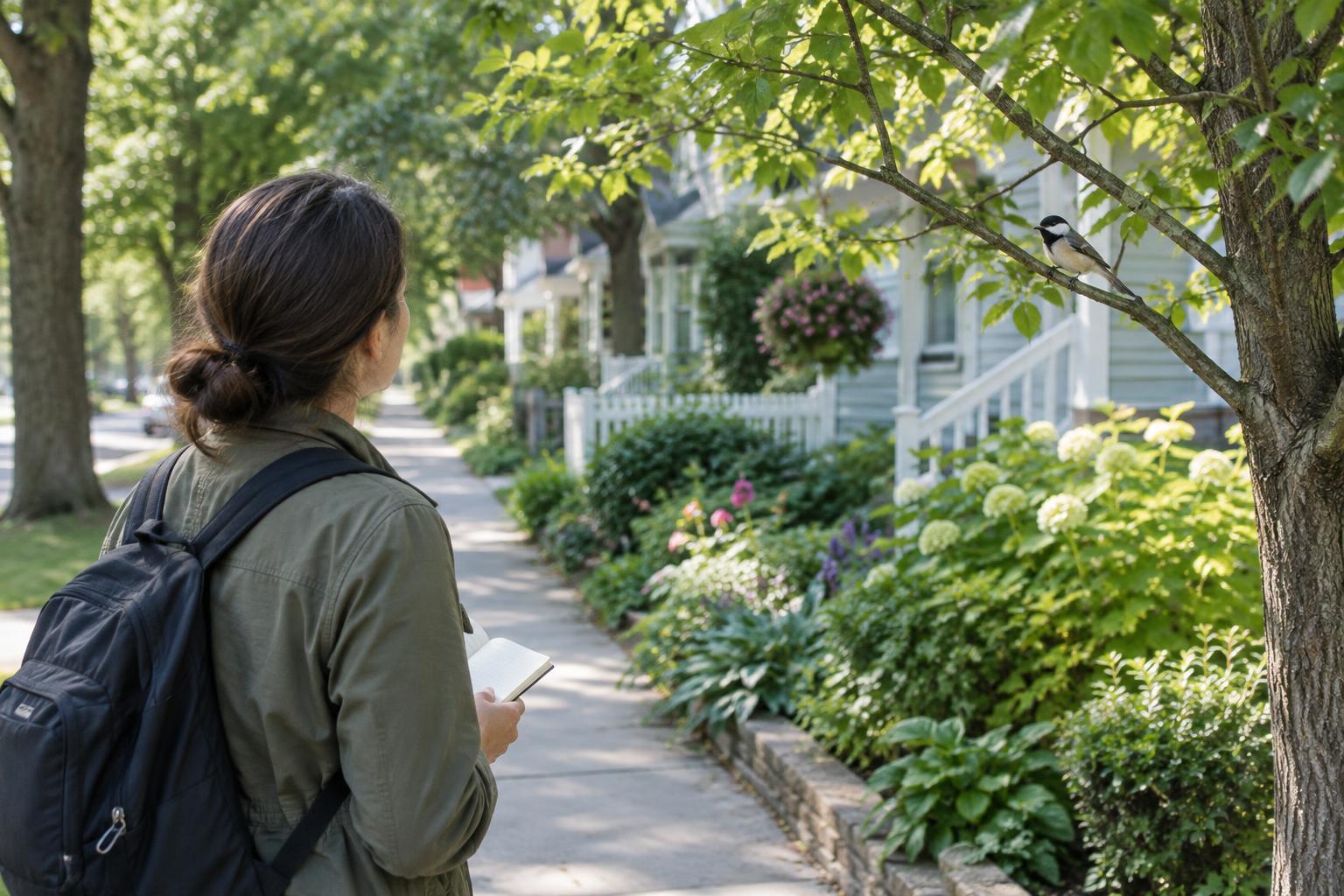
Rather than scanning everywhere at once, pause and check one area at a time. Look along fence tops, exposed branches, rooflines, shrubs, and the edges of open ground. Notice movement first, then see if you can follow it to a perch. A bird that flies away is still worth observing: its size, shape, flight path, and the place it came from are all useful clues.
Listening can help you find birds that are hard to see. When you hear a call, stop for a moment and try to work out its direction before moving on. You do not have to recognize the sound. You might simply describe it as a short repeated chirp or a longer, wavering note. Stay aware of traffic and other people while listening, especially near roads.
Make a quick observation record
If you want to remember what you saw, keep notes on paper or in your phone. Record the bird’s approximate size compared with a familiar bird, its main colors, the shape of its beak or tail if visible, and what it was doing. Was it walking on the ground, moving through leaves, or sitting still? Note the location in general terms, too, such as a low shrub beside a path.
Try writing down observations before searching for an identification. A brief description made in the moment is often more helpful than a later memory of what you think the bird was. If you use a field guide or identification app, treat its suggestions as possibilities to compare against your notes. It is fine to leave a bird unidentified. Noticing it carefully is already part of the hobby.
Watch without changing the scene
Give birds enough space to continue what they were doing. If one stops feeding, repeatedly moves away, or appears unsettled as you approach, step back and watch from farther away. Remain on public paths and respect private property. Avoid reaching into shrubs, disturbing nests, or playing recorded calls to draw birds closer. A quieter approach usually gives you a better chance to see natural behavior.
Your surroundings matter as much as the birds. Stand where others can pass, keep pets under control according to local rules, and check where you are stepping before lifting your eyes to the trees. If you take a photo, do not feel obliged to get closer for a perfect shot. A distant view and a few good notes can be more satisfying than a sharp image gained by interrupting a bird.
Turn one walk into an ongoing discovery
After your walk, choose one observation to revisit. You might compare a sketch with a guide, listen to a call recording to see whether it resembles what you heard, or simply write down a question for next time. This keeps the experience manageable. Trying to identify every bird at once can turn a pleasant walk into a frustrating test.
Return to the same route now and then, perhaps at different times of day or in different seasons. You may notice that birds use certain spots repeatedly, or that a familiar place sounds different from one visit to another. There is no score to keep and no minimum number of sightings. A good neighborhood birdwatching walk can be as simple as noticing one bird you would otherwise have passed by.