Start with the job, not the bottle
Choosing a cooking oil gets easier when you ask two questions: Will you taste the oil in the finished dish, and how hot will the cooking surface get? A salad dressing puts the oil’s flavor front and center. A quick sauté may need an oil that stays pleasant as the pan heats up. Deep-frying calls for an oil suited to sustained heat and enough volume to make price a practical consideration.
You do not need a different bottle for every recipe. Many kitchens can manage with one versatile everyday oil and one more distinctive oil for finishing or dressings. The right pair depends on what you cook most often: frequent stir-fries, for example, may call for a different everyday choice than a routine of soups, salads, and gentle sautés.
Understand flavor and refinement
Oils range from neutral to assertive. Refined canola, sunflower, and many vegetable oils tend to stay in the background, making them useful when you want the ingredients or spices to lead. Extra-virgin olive oil often brings a grassy, peppery, or fruity note. Toasted sesame oil has a strong aroma that can shape an entire dish, even in a small amount.
Processing affects both flavor and heat tolerance. Refining generally removes some compounds that give an oil its distinctive taste and can make it more suitable for hotter cooking. Less-refined oils often have more character, which can be an advantage in a dressing or drizzled over finished food. Labels matter: “sesame oil” may be mild, while “toasted sesame oil” is usually much stronger. If an unfamiliar oil will be prominent in a dish, taste a drop before adding it.
Match the oil to the heat
An oil’s smoke point is the temperature at which it begins to visibly smoke. It is a useful warning sign, but not a number you need to memorize. Smoke points vary with refinement and the condition of the oil, while actual pan temperatures vary with your stove, cookware, and cooking method. If oil starts smoking noticeably, lower the heat or start again with a fresh pan and an oil better suited to the task.
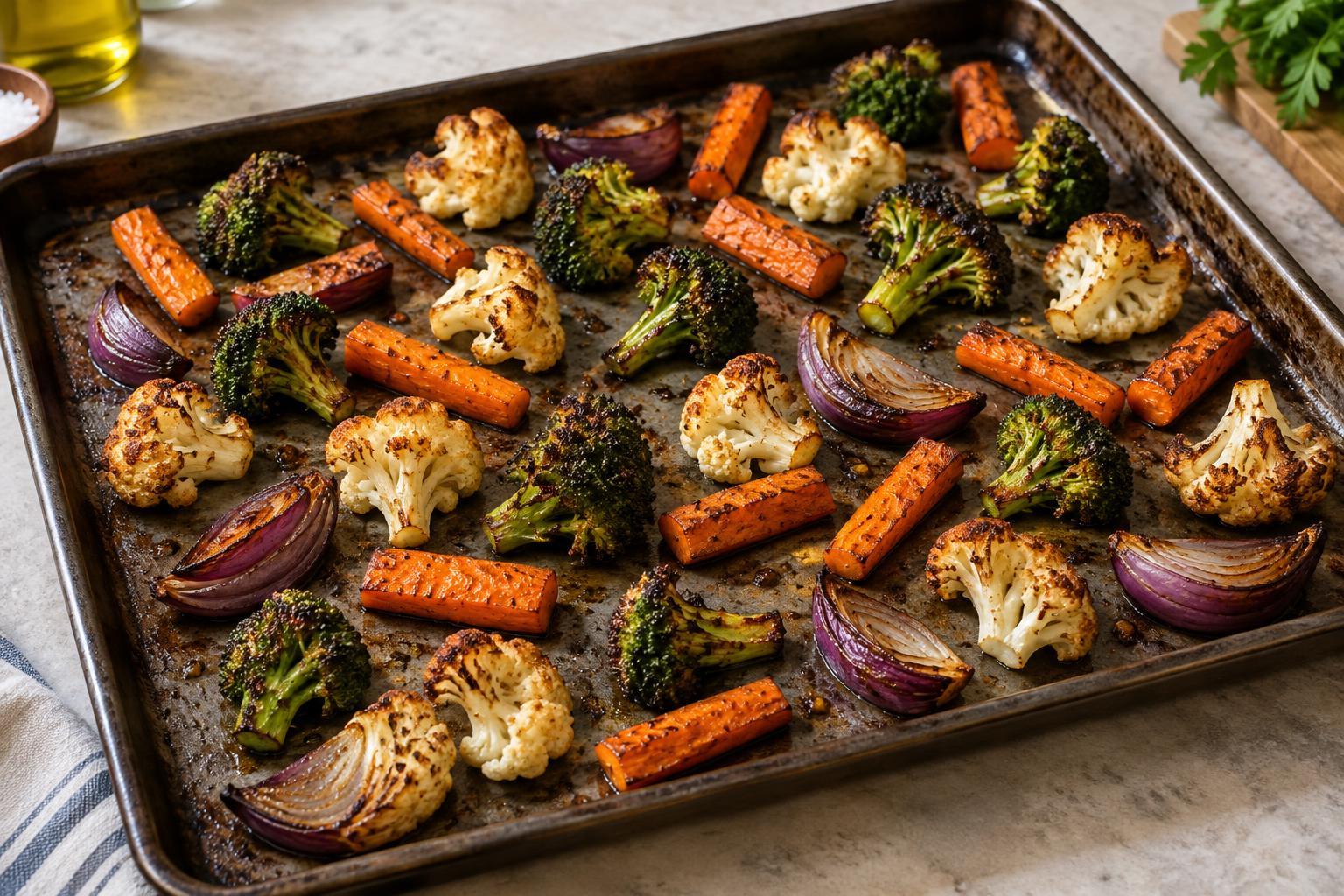
For dressings and finishing, choose primarily by taste. Extra-virgin olive oil, unrefined nut oils, and toasted sesame oil can all contribute flavor, depending on the dish. For gentle to moderate sautéing, olive oil or a neutral everyday oil can work well. For a very hot sear or stir-fry, a refined oil labeled for high-heat cooking is a practical choice. Roasting falls between these cases: use an oil whose flavor suits the food, and avoid letting a thin coating on a hot tray scorch.
Heat tolerance is not the only consideration. Strongly flavored finishing oils may taste harsh when heated, even if they do not visibly smoke. Conversely, extra-virgin olive oil is not limited to cold dishes; it can be a good choice for ordinary stovetop cooking when the heat is controlled. Watch the pan and the food rather than relying on a single rule about an oil’s name.
Build a small, useful oil shelf
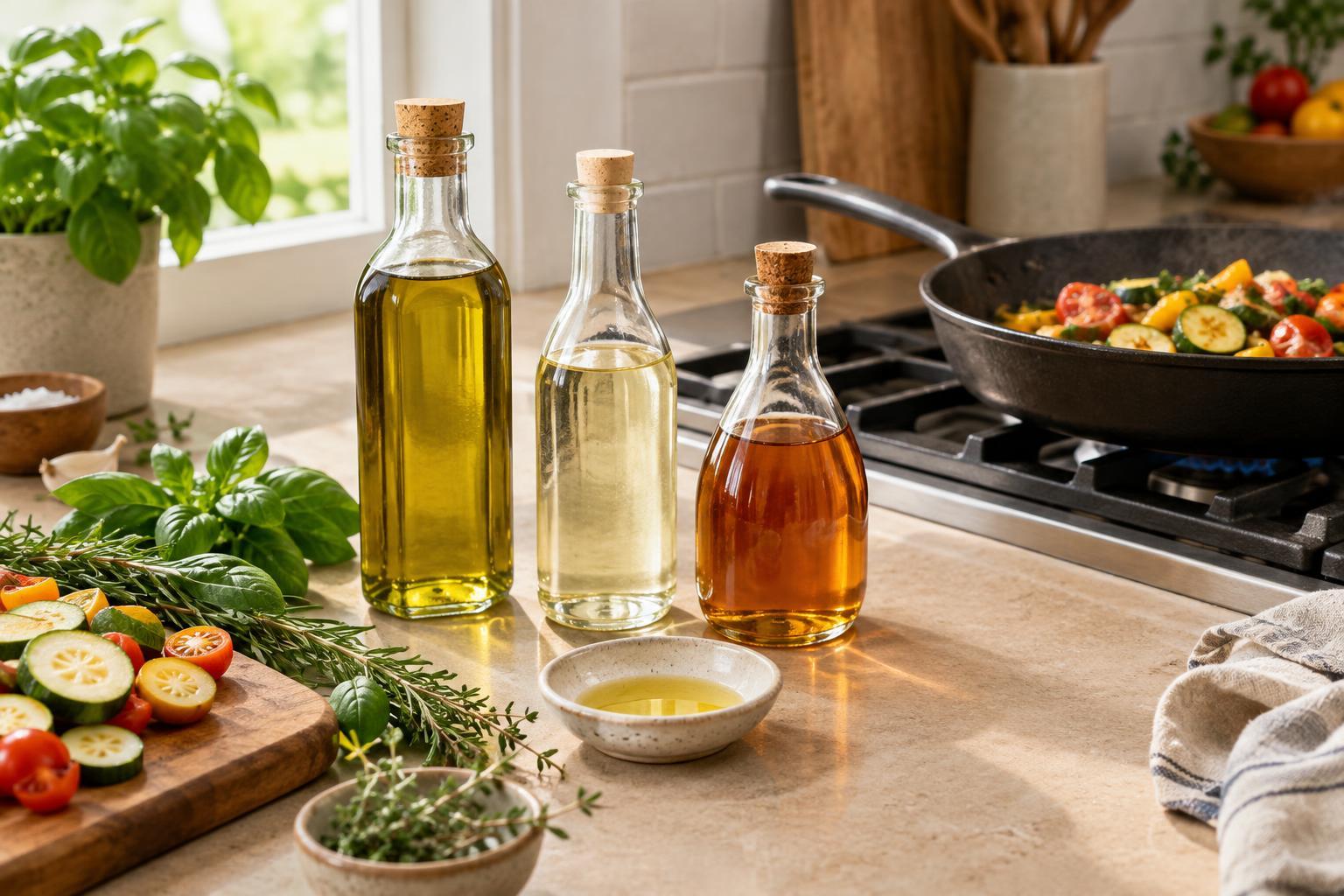
If you want a simple starting point, keep a neutral oil for jobs where you do not want added flavor and an extra-virgin olive oil for dressings, finishing, and everyday cooking where its taste fits. Add a specialty oil only when you know how you will use it. A small bottle of toasted sesame oil, for instance, is easier to finish while it still tastes fresh than a large one bought for a single recipe.
Consider your cooking habits before buying an oil marketed for high heat. If you rarely sear or deep-fry, your everyday oil may cover most tasks. If you fry regularly, compare the bottle’s intended uses, flavor, and price as well as its size. An expensive finishing oil is unlikely to be the best choice when a recipe needs enough oil to fill a pan.
Keep oil tasting fresh
Air, light, and heat can make oils lose their pleasant flavor over time. Close bottles tightly and store them away from the stove and direct sunlight. A cool, dark cupboard suits many everyday oils; check the label for any specific storage directions. Buying an amount you can use comfortably is often more helpful than stocking up on a bargain-sized bottle.
Before using an oil that has been open for a while, smell it and, if appropriate, taste a little. If it has an unpleasant stale or paint-like smell, discard it. Fresh oil with a flavor you enjoy will do more for a dish than a theoretically perfect choice that has sat unused for too long.