Why vegetables steam on a roasting pan
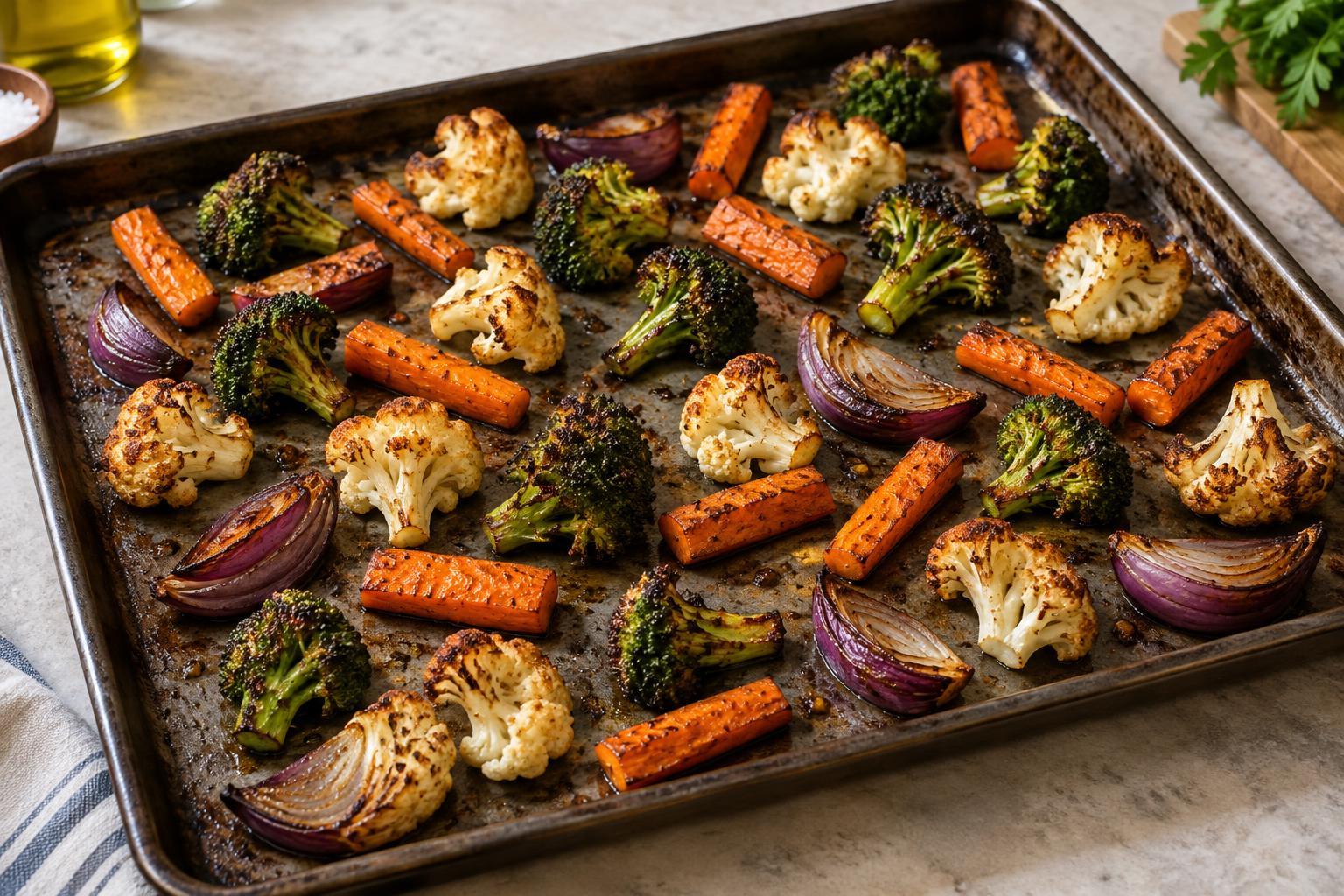
Roasting works best when the surface of a vegetable can dry out and make direct contact with hot air or a hot pan. Vegetables contain plenty of water, and as they heat, some of it escapes as vapor. If that vapor lingers around crowded pieces, they cook gently rather than developing browned edges. The result may be perfectly edible, but it will taste and feel different from a tray of caramelized carrots or crisp-edged broccoli.
Three common causes are a crowded pan, wet vegetables, and an oven that is not fully hot when the tray goes in. You do not need special equipment to address them. A large, shallow baking sheet and a little attention to preparation will make a bigger difference than a complicated seasoning blend.
Start with dry, evenly cut pieces
After washing vegetables, drain them well and pat them dry with a clean towel. This matters especially for broccoli, cauliflower, mushrooms, and vegetables with crevices that hold water. If you have time, let freshly washed pieces sit on a towel while the oven heats. Frozen vegetables can also be roasted, but their extra surface moisture makes browning more challenging; give them plenty of room and expect a somewhat softer result.
Cut pieces to similar sizes so they finish at roughly the same time. Keep dense vegetables such as potatoes and carrots in smaller pieces than quick-cooking ones such as zucchini or bell pepper if you want to roast them together. Flat cut sides are useful: placing them against the pan creates a broad area that can brown. Very tiny pieces may dry out before their centers become tender, while very large ones can stay firm long after their outsides color.
Use enough heat, oil, and pan space
For many sturdy vegetables, an oven set around 425°F (220°C) is a useful starting point. Let it preheat fully. A lower temperature can work, but the vegetables may spend longer releasing moisture before their surfaces brown. If your oven tends to run hot or delicate pieces scorch, lower the heat a little and watch the tray rather than treating any temperature as a rule.
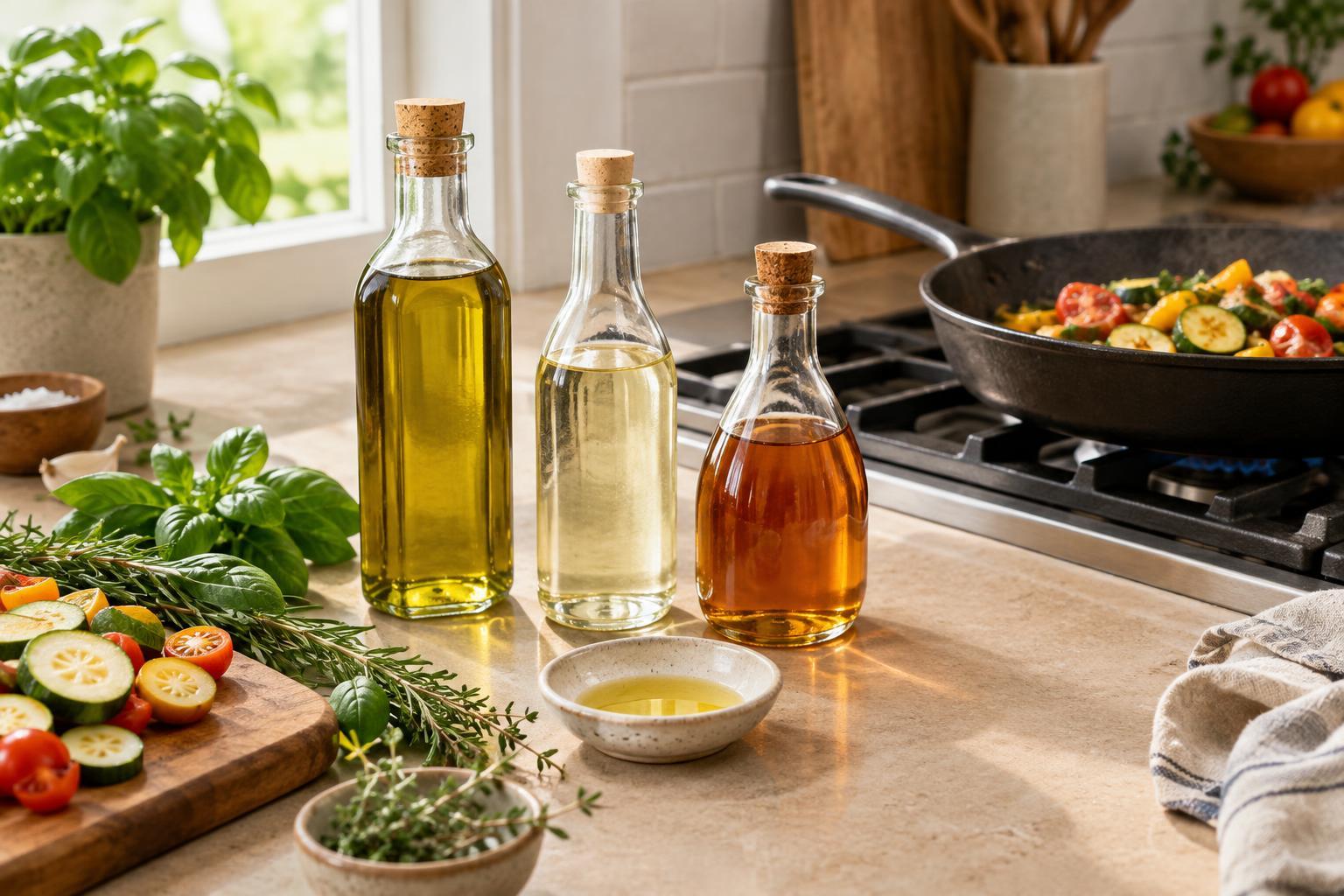
Toss the vegetables with enough oil to coat them lightly, without leaving a puddle on the pan. Oil helps distribute heat and keeps exposed surfaces from drying out too quickly. Season with salt and spread the pieces in a single layer, leaving visible space between them. If everything barely fits, use two pans or roast in batches. A rimmed metal baking sheet is convenient because it gives the vegetables a wide, shallow surface; a deep baking dish tends to trap more moisture. Parchment makes cleanup easier, though direct contact with a metal pan may give some cut sides stronger browning.
Give the pan time to do its work
Once the tray is in the oven, resist stirring every few minutes. Contact with the hot pan helps create browned spots, so let the pieces sit long enough to develop some color before turning them. Check on them partway through cooking, then flip or stir as needed. Rotating the pan can help if your oven browns more strongly in one area. Cooking time varies with the vegetable, its size, and the pan, so look for tender centers and browned edges instead of relying only on a timer.
A little steam when you open the oven is normal. A tray that still looks wet well into cooking may be overcrowded. You can spread the pieces farther apart or move some to another hot pan. Avoid covering the tray: a lid or foil holds moisture close to the vegetables. If one type becomes tender before the rest, take it off the pan and let the slower pieces finish.
Match the approach to the vegetable
Sturdy choices such as carrots, potatoes, Brussels sprouts, and cauliflower can usually handle high heat and enough oven time to build color. Cut Brussels sprouts in half and place the flat sides down. For broccoli, dry the florets carefully and leave space around the crowns. Mushrooms release a lot of moisture, so a roomy pan is particularly helpful; give them time to cook off that liquid before judging the result.
Tender or watery vegetables need a lighter touch. Zucchini, tomatoes, and peppers can soften quickly, so cut them into substantial pieces and check them earlier. If you want to serve them with slower-roasting roots, add them to the pan later or cook them on a separate tray. Once the vegetables come out, taste before adding anything else. A squeeze of lemon, a small splash of vinegar, or fresh herbs can brighten the finished dish without hiding the browned flavor you worked to develop.