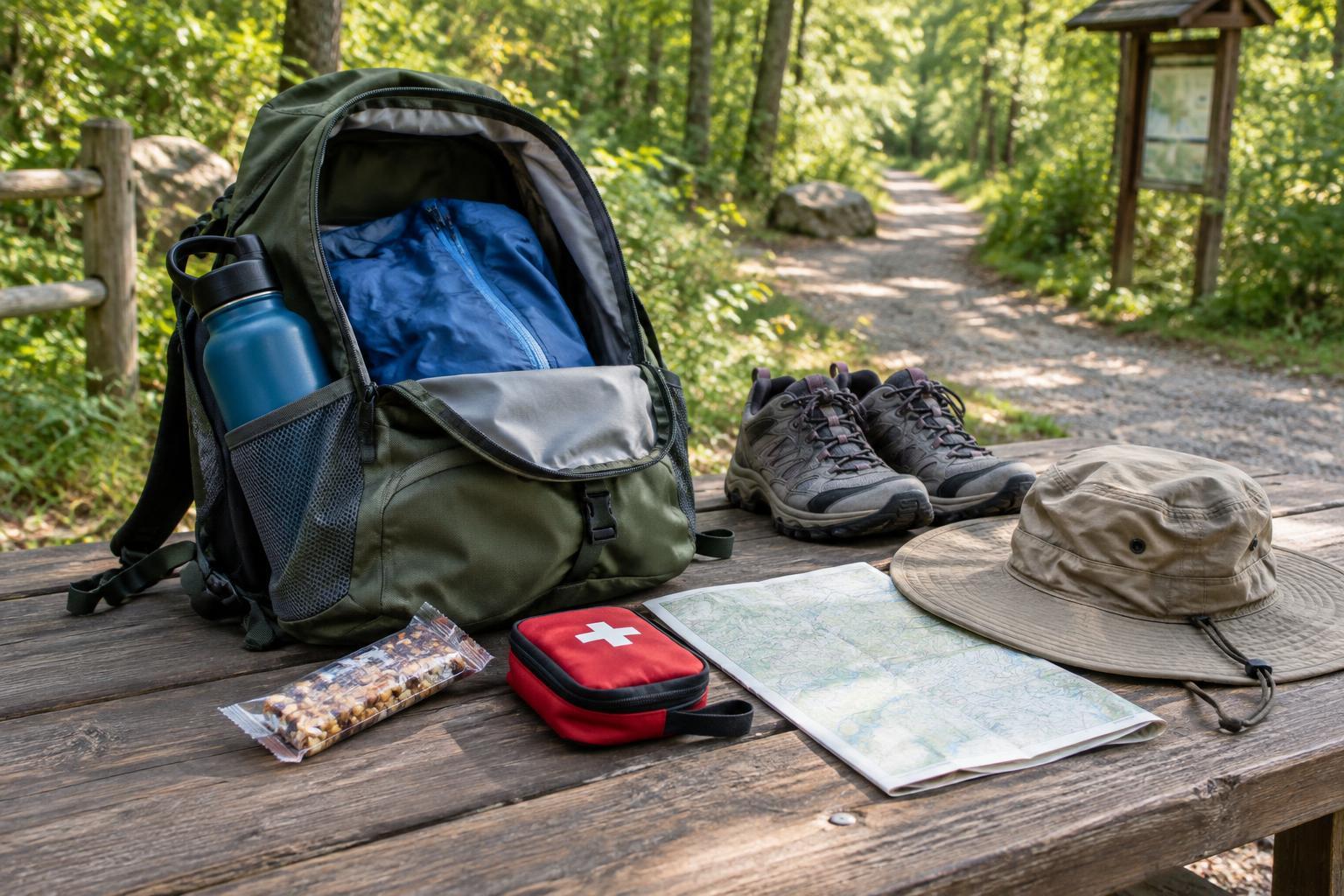
Start with a small search area
A local adventure can begin a few blocks from your door. Instead of looking for a destination that promises to be impressive, choose an area you can explore comfortably in the time you have. Draw a rough circle around your home, a transit stop or another familiar starting point. Then pick one street, path or cluster of blocks inside it that you rarely visit. A small area makes it easier to slow down and notice what you would miss while trying to cover more ground.
Give the outing a simple purpose: find a place to sit, a different route to a familiar shop or a public space you have never entered. Check opening hours if a particular destination matters to your plan, but leave room for surprises along the way. The goal is not to prove that your neighborhood has a hidden landmark. It is to learn what is there and what you might enjoy returning to.
Look for clues, not just attractions
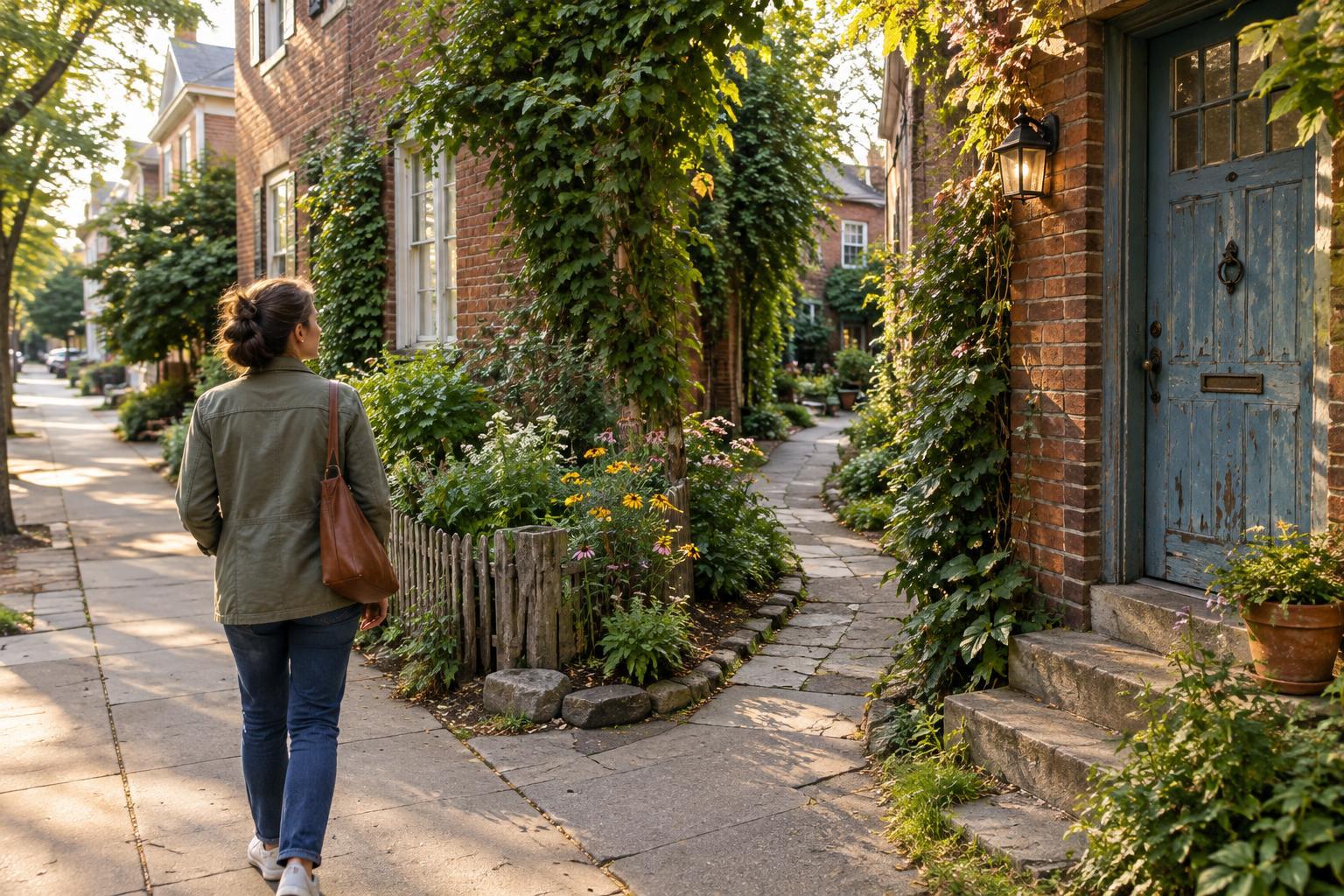
Interesting places are not always marked as attractions. A community noticeboard might point toward a garden or public event space. A footpath may lead to a quieter side of a park. A row of older storefronts can reveal how a street is used differently from the one beside it. Look for public art, building details, trees, views, small businesses and signs that explain a place’s history or purpose. Notice sounds and smells, too, without assuming you need to stop everywhere.
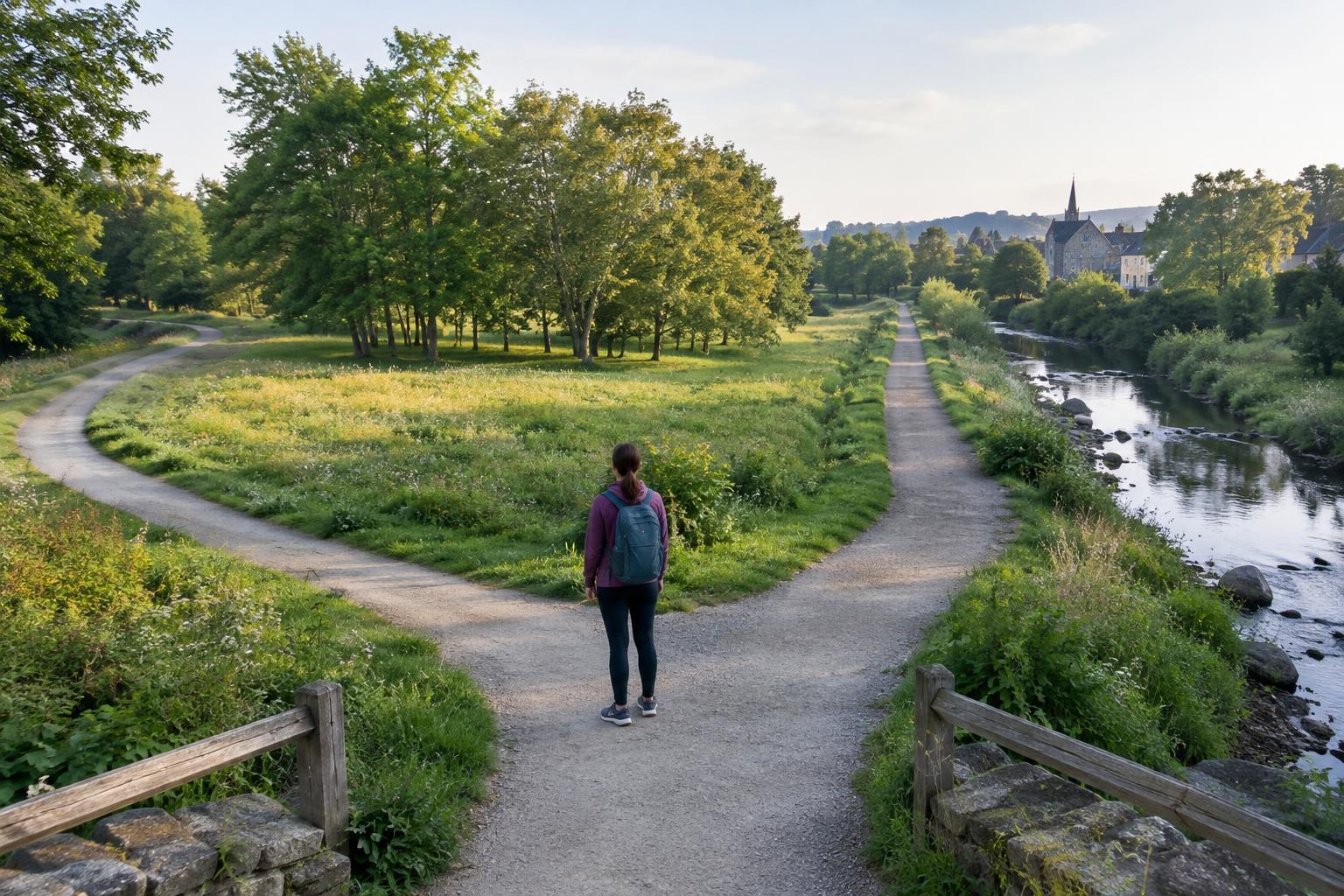
Try choosing one theme for a walk. You could look for places to read outdoors, routes with plenty of shade, accessible entrances or spots where several paths meet. A theme gives you something specific to observe without turning the outing into a scavenger hunt. If you enjoy taking photos, record details you want to remember, while respecting people’s privacy and any posted rules. A few notes can work just as well.
Use maps as a starting point
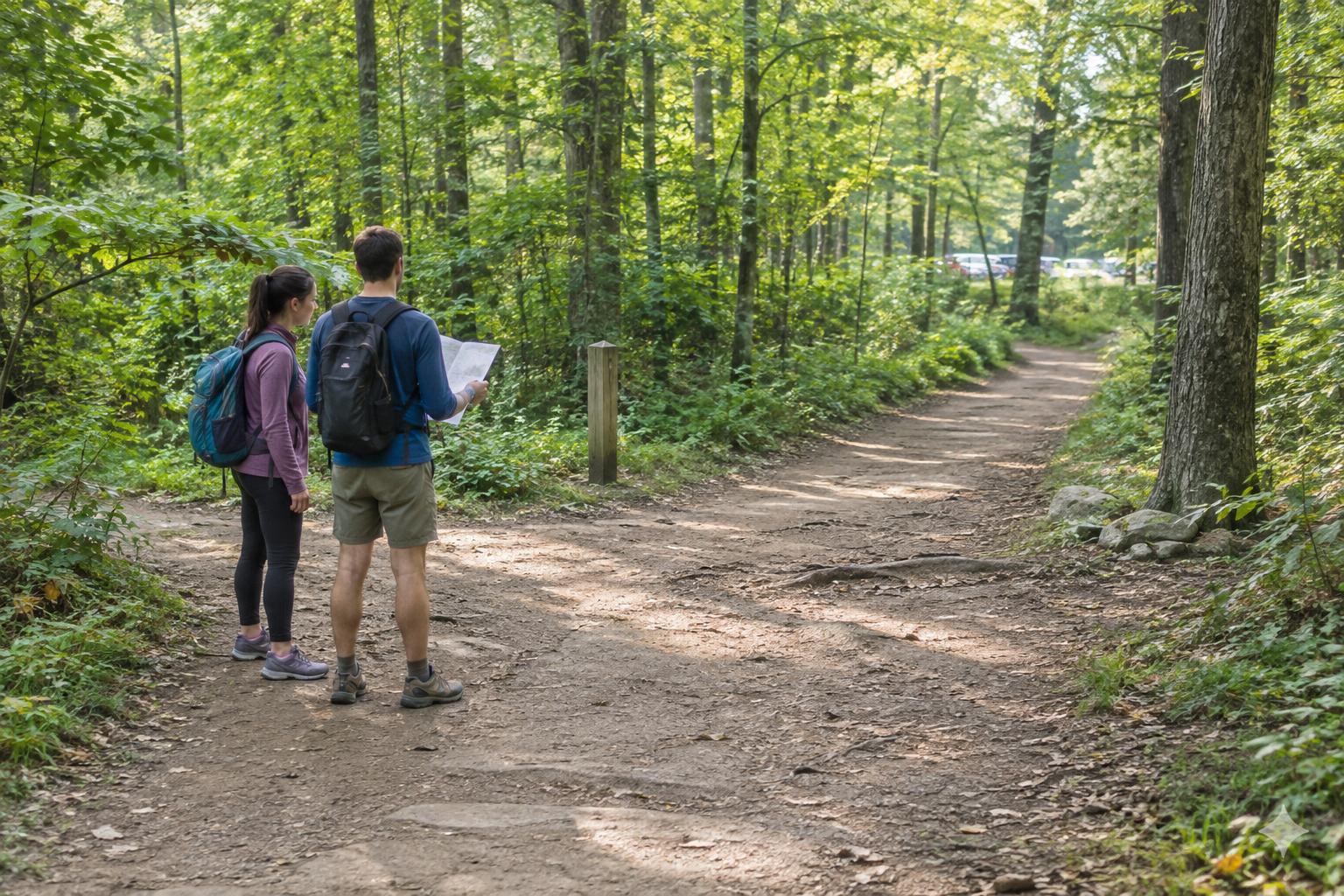
A map can reveal possibilities that are hard to spot from your usual route: a short connection between streets, a public green space or a library tucked behind a main road. Paper maps, transit information and digital maps can all help you sketch a loop. Look for one unfamiliar segment between two places you already know. That creates a manageable trip and gives you an easy way home.
A map cannot tell you everything about how a route feels on the ground. A marked path may be poorly signed, and a crossing may be less comfortable than it appears. Be ready to change course. If you use a phone for directions, consider noting your return route before you leave in case the battery runs low or reception is unreliable. Choose routes that suit your mobility, the conditions and the time of day; turning back is always a valid part of exploring.
Let everyday places shape the route
Neighborhood discovery does not have to be limited to parks and scenic streets. Libraries, markets, recreation centers, cafés and public buildings can be useful stops, depending on what is open to visitors. Even if you do not go inside, checking a posted schedule or reading a window display may give you an idea for a future outing. If you are curious about a business, a brief visit or a polite question can tell you more than guessing from outside.
Keep boundaries in mind. A courtyard that looks inviting might be private, and a quiet residential street is still someone’s home. Stay on public routes, follow signs and avoid treating people or their property as attractions. If a place is busy or an entrance is unclear, save it for another day. A good local adventure leaves the area as welcoming for others as you found it.
Return at a different pace
After your walk, jot down one place you liked, one question you still have and one route you might try next. This small record helps you build a personal map of the neighborhood without needing to document every stop. You may discover that the most useful find was a pleasant shortcut, a bench near home or a shop you had walked past for years.
Revisiting a place can be as rewarding as finding a new one. The same route may feel different when you walk it more slowly, approach from another direction or bring a friend who notices other details. Keep outings flexible and affordable: choose a short loop, take a break when you need one and allow an ordinary errand to become a chance to explore. Curiosity, rather than distance, is what makes the trip an adventure.