Start with the kind of day you want
A half-day adventure works best when it has one clear purpose. You might want to walk somewhere green, browse an unfamiliar neighborhood, look for interesting buildings, or try a food shop you have passed but never entered. Pick the feeling you want from the outing before choosing the destination. A quiet morning calls for a different plan than an afternoon spent exploring with friends.
Set a rough time window that includes getting there and back. If you have four hours, for example, avoid filling all four with scheduled activities. Leave space to follow a side street, sit on a bench, or stay longer somewhere you enjoy. The goal is not to see everything nearby; it is to return home feeling as though you went somewhere.
Choose one anchor and a few optional stops
An anchor is the place that makes the trip worth taking: a park, a public garden, a walking path, a library, a market, or a district you have not explored on foot. Look for a destination that fits your available time, travel options, and preferred pace. Check practical details such as opening hours, entry requirements, and whether the route suits everyone coming along.
Then identify one or two optional stops nearby. They could be a place to get a drink, a viewpoint, or a shop that matches your interests. Keep them optional so a closed door, a crowded room, or a slower-than-expected walk does not spoil the day. If the anchor itself has plenty to offer, you may not need any extra stops at all.
Make the journey part of the outing
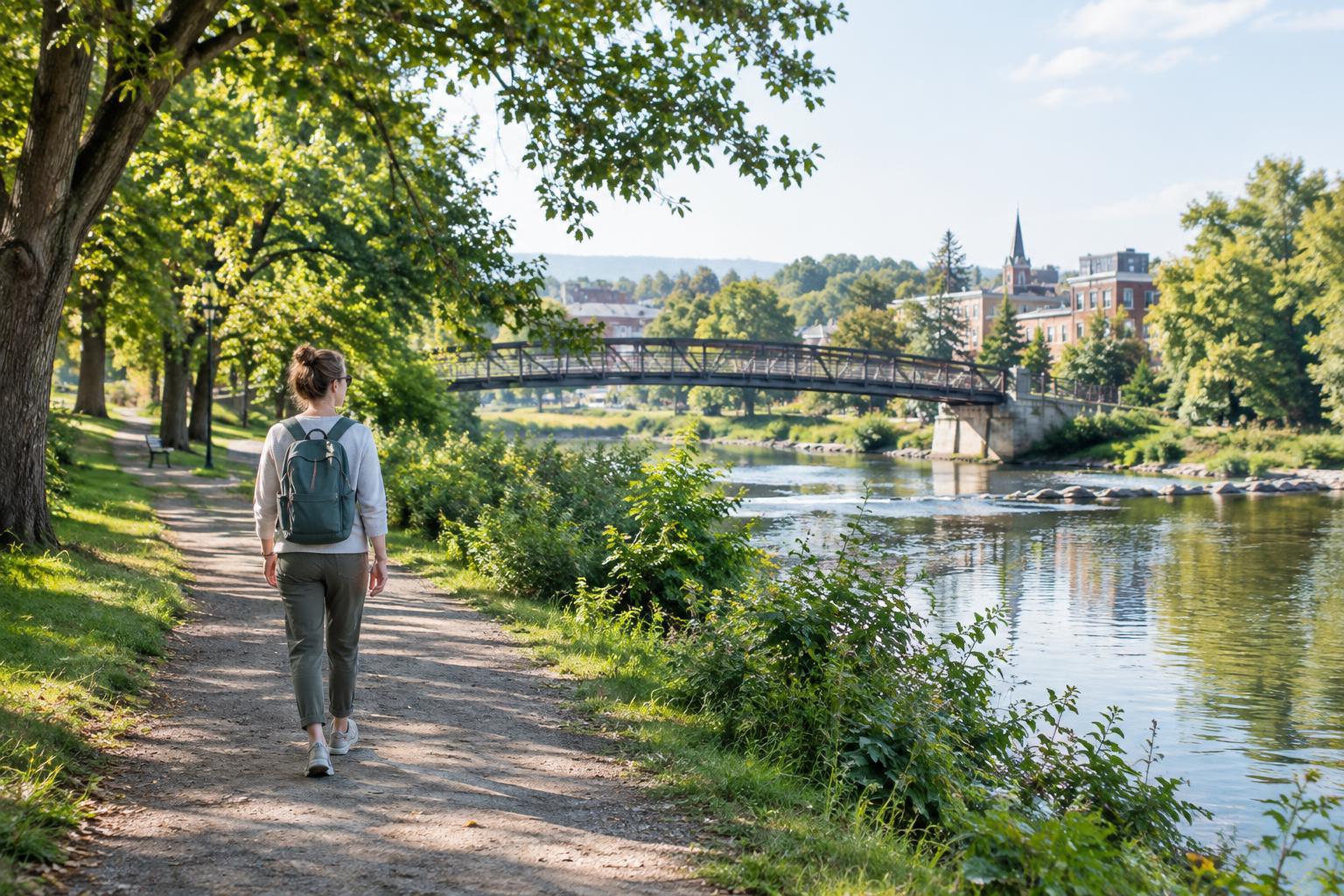
Consider whether you can walk, cycle, or use public transport for part of the trip. Traveling at a slower pace can help you notice small details: a mural, a shared garden, an unusual storefront, or a street that connects two familiar places. If you drive, you can still park once and explore a manageable area on foot rather than moving the car between stops.
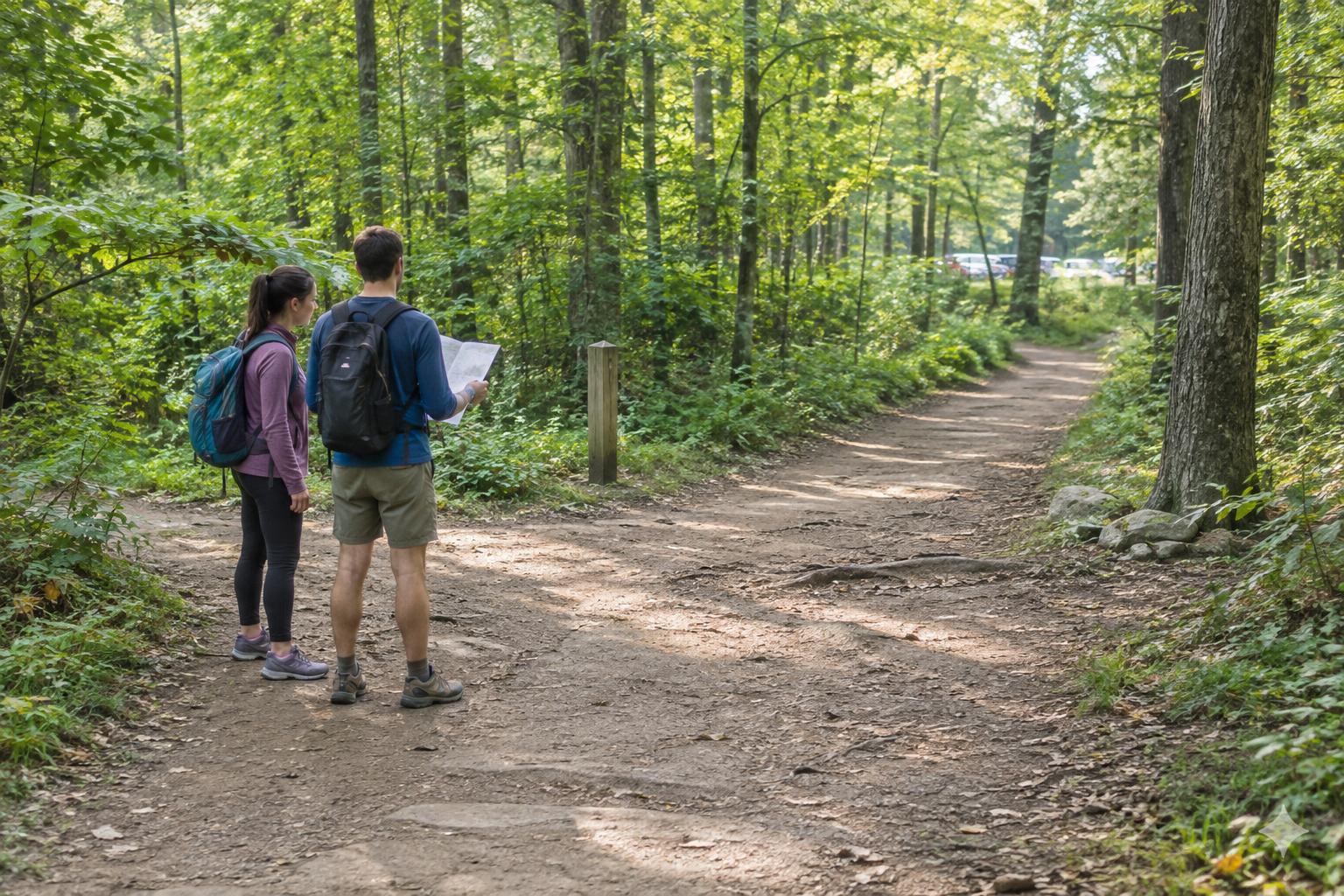
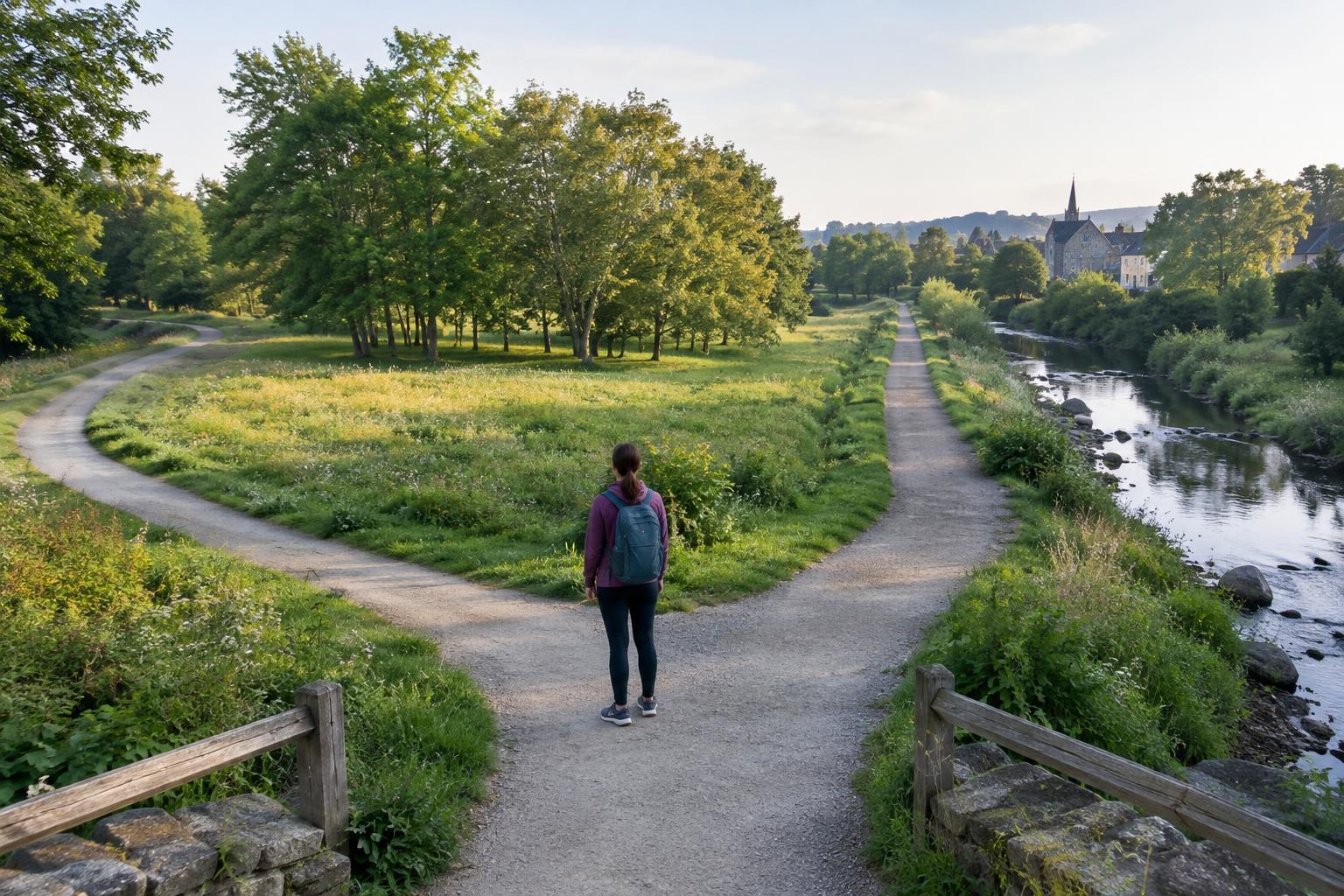
Sketch a simple route with a start point, an anchor, and a way back. A loop can add variety, but an out-and-back route is easier to shorten if you run low on time or energy. Check distances before leaving, especially if the map makes a route look shorter than it is. Save directions or note a few landmarks in case your connection is unreliable.
Pack for comfort, not for every possibility
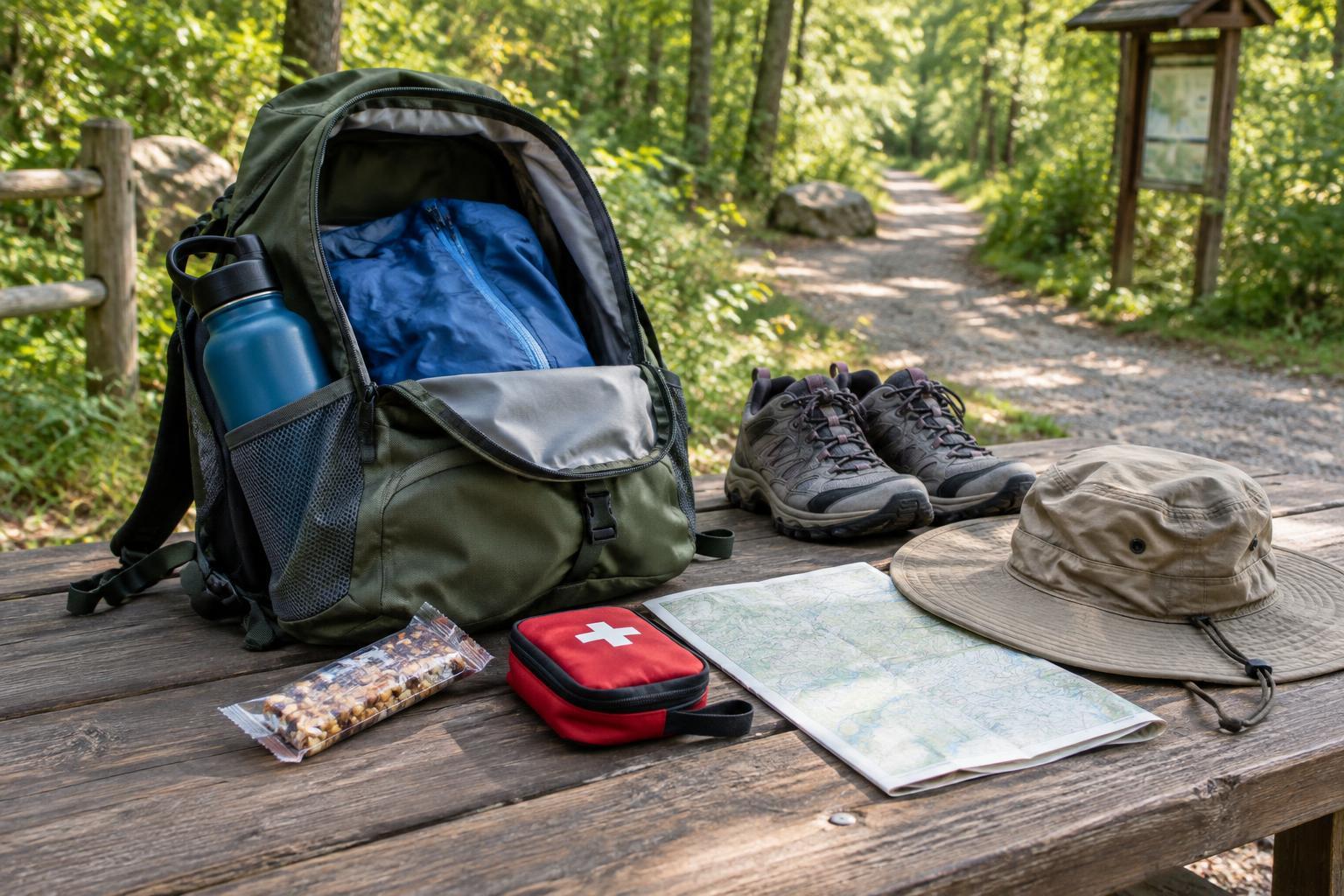
Bring what supports the outing you actually planned: comfortable shoes, water, weather-appropriate layers, and any tickets or payment method you might need. A small snack can make a flexible schedule more pleasant. If you hope to draw, take photos, or make notes, bring one simple tool for that purpose rather than a bag of supplies you may never use.
Before you go, take a quick look at the forecast and decide what would change your plan. Light rain might make a covered market appealing; strong heat might favor a shaded route or a shorter walk. Let someone know your general plans if you are heading somewhere less familiar on your own, and choose paths and stopping points that feel comfortable to you.
Leave room to discover something
Give yourself a small mission to sharpen your attention without turning the outing into a task. You could notice five details you have never seen before, find a place you would like to revisit, or compare two routes through the same area. If you are with someone else, take turns choosing a turn or a brief stop. Curiosity often grows when the plan is loose enough to accommodate it.
Keep an eye on the time you need to head home, but resist measuring success by the number of places you visited. A satisfying half-day might consist of one good walk and a long pause somewhere pleasant. Afterward, jot down what worked: the route, the travel time, and anything you would do differently. That small note makes the next close-to-home adventure easier to plan.