Start with the kind of day you want
Before choosing a destination, decide what would make the outing feel worthwhile. You might want a long walk, a change of scenery, a chance to browse small shops, or an afternoon near the water. Pick one main purpose rather than trying to fit several different trips into one day. That choice makes it easier to spot places you can enjoy without buying tickets or filling every hour.
Look for destinations close enough that the journey will not take over the day. A neighboring town, public garden, trail, waterfront, or unfamiliar part of your own area can offer plenty to explore. Consider how long the trip will take from your door, not just the time shown between stations or parking areas. If the journey sounds tiring before you have even left, choose somewhere closer.
Build a short plan around one anchor
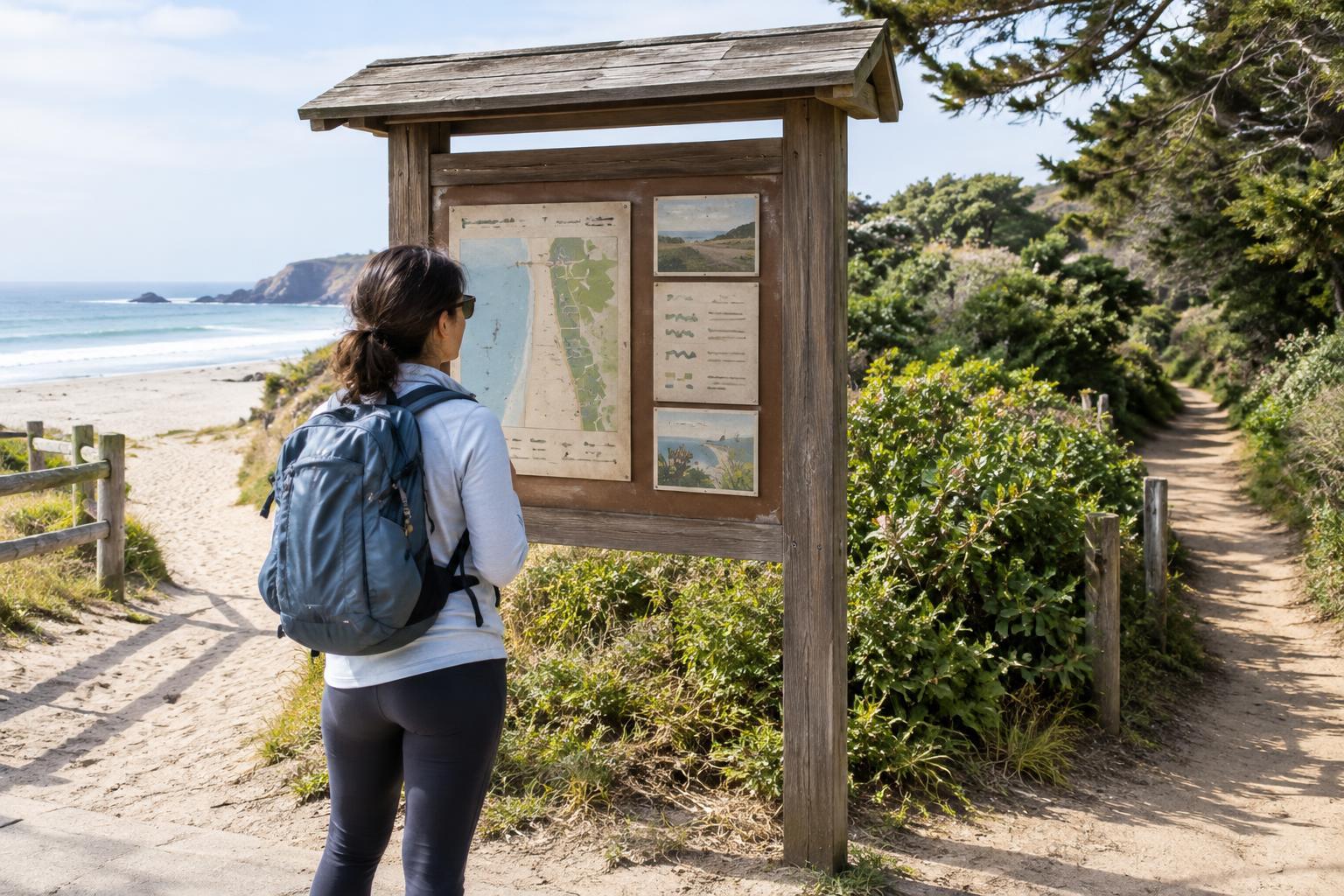
Choose one activity as the anchor for the trip: a walk through a historic district, a visit to a free gallery, or a picnic in a park. Check practical details before you go, including opening hours where relevant, transit options, parking rules, and whether public restrooms are available. Details can change, so it is worth confirming anything the day depends on shortly before you leave.
Add one optional stop nearby, then leave the rest of the time open. A simple route might be: arrive, explore the main place, take a food break, and decide whether you have energy for the extra stop. This keeps a delayed bus, a longer lunch, or an interesting side street from feeling like a problem. Aim to head home while the day still feels enjoyable, rather than waiting until everyone is worn out.
Set a budget that includes the small costs
Decide what you are comfortable spending before you choose how to travel. Include fares or fuel, parking if needed, food, admission, and a little room for an unplanned expense. A free destination may not be the cheapest choice if reaching it costs much more than a modestly priced option nearby. Comparing the whole outing helps you make a choice you can enjoy without repeatedly checking your spending.
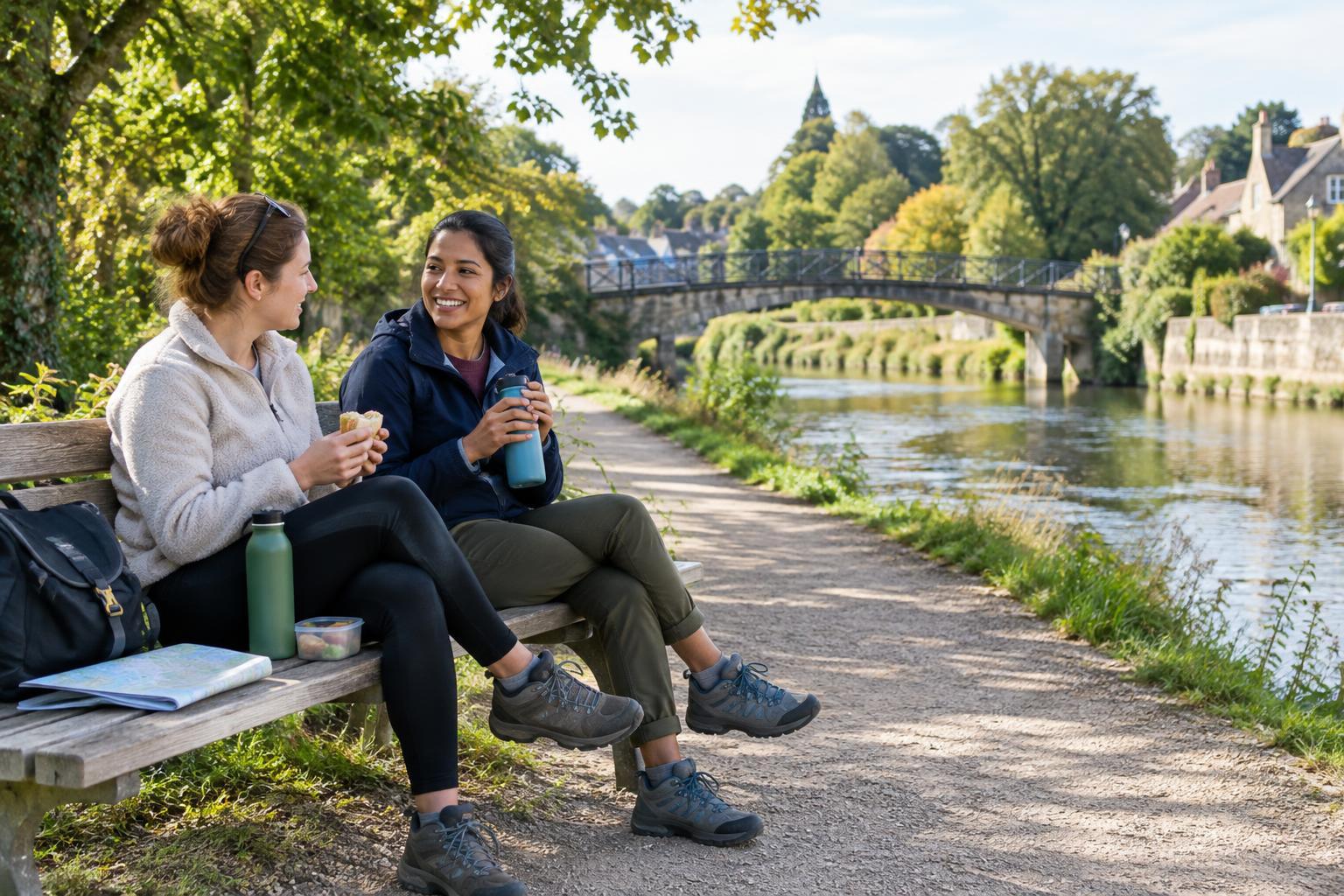
Food is an easy place to keep costs predictable. Bring water and a snack, even if you plan to buy lunch, so hunger does not force a rushed decision. If a picnic suits the destination, pack something simple that travels well and check whether there is a comfortable place to sit. You can also choose one purchase to look forward to, such as a café drink or a local treat, instead of buying things throughout the day.
Make the journey part of the plan
Give travel more room than the quickest estimate suggests. Finding a platform, walking from a stop, or locating a place to park all takes time. If you are using public transport, note a later return option so you do not have to watch the clock all afternoon. If you are driving, decide where you will park before setting out and check whether the walk from there suits your group.
Pack for comfort rather than every possible scenario. Comfortable shoes, a charged phone, water, and a light layer may be enough for many outings; check the weather and the needs of anyone joining you. Save essential directions in a form you can use if your connection is unreliable. A little preparation reduces the number of decisions you have to make when you would rather be looking around.
Leave space to notice where you are
The best part of a day trip is not always the planned stop. Give yourself permission to linger at a viewpoint, sit on a bench, or take a different street because it looks inviting. Breaks are not wasted time; they help an outing feel like a change from your usual routine. If you are traveling with someone else, check in before adding another activity instead of assuming everyone wants to keep moving.
Keep one easy fallback in mind, such as a covered place to visit if it rains or a shorter walking route if energy runs low. Then let the plan stay flexible. A successful low-cost day trip does not have to cover every attraction. It only needs to give you time away from the ordinary, a few things to notice, and a comfortable way home.