Start with a simple rule: keep hazards from traveling
Cross-contamination happens when something from one food or surface is transferred to another. For example, juices from raw poultry can reach salad greens through a cutting board, knife, countertop or unwashed hand. A cook can also carry an allergen from one dish to another with a shared utensil. The useful question is not just “Is this food clean?” but “What has touched it since I began?”
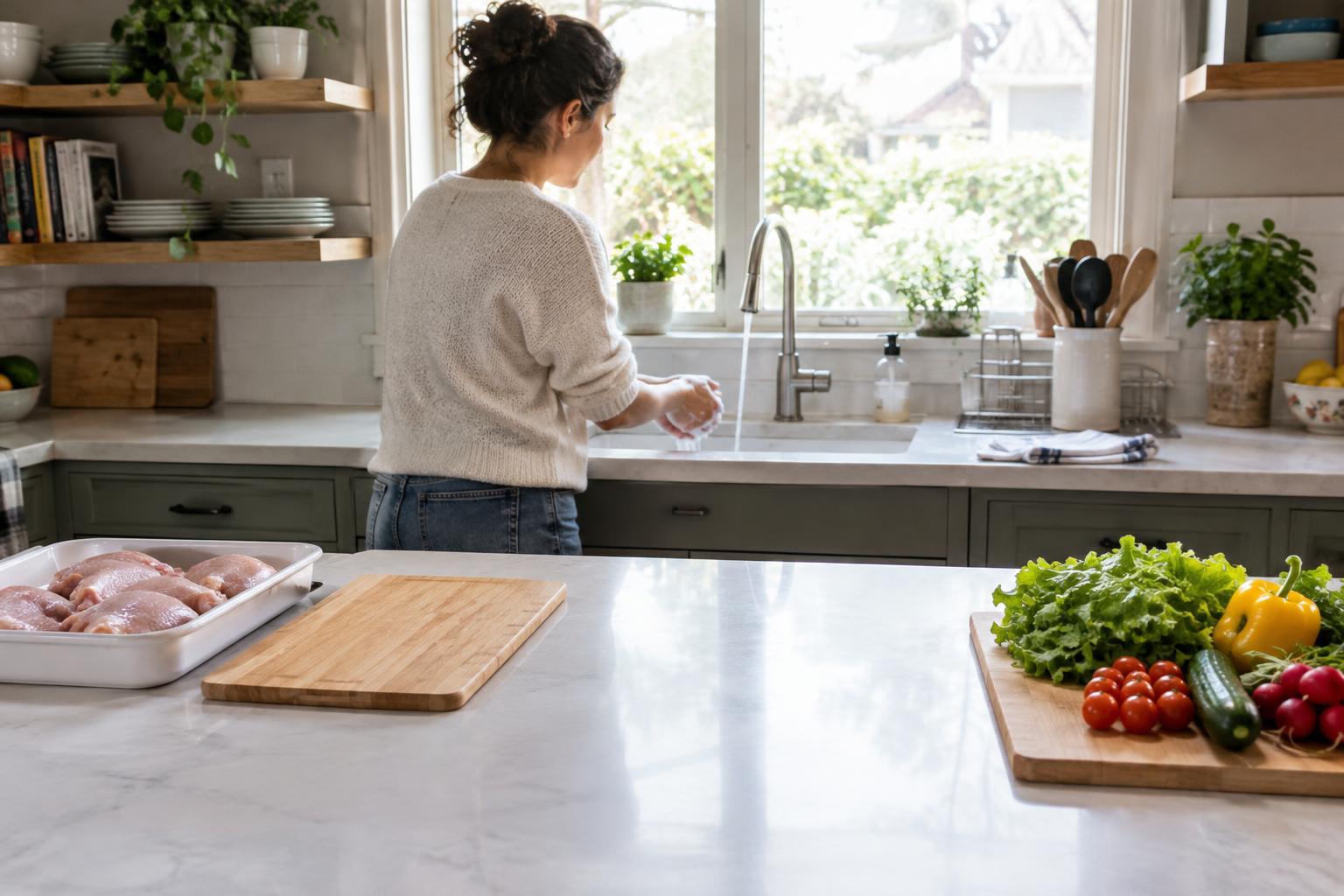
Think of your workspace as having separate paths for raw ingredients and foods that are ready to eat. Wash produce before cutting it, using running water rather than soap. Keep it away from raw meat, poultry and seafood. Set out a clean plate for cooked food before cooking starts, so you are not tempted to return it to the plate that held it raw. Small decisions like these prevent a last-minute scramble when several parts of a meal are ready at once.
Keep foods apart from the grocery bag to the refrigerator
Separation begins before you pick up a knife. At the store, keep raw meat, poultry and seafood away from produce and other foods that may be eaten without further cooking. Put packages that might leak in separate bags. At home, place raw items in containers or on trays that can catch drips, and store them below ready-to-eat foods in the refrigerator. If a package leaks, clean the shelf and anything the liquid touched.
Give leftovers the same attention. Put cooked food in clean containers rather than reusing packaging or a dish that held raw ingredients. Cover food in the refrigerator, and use clean utensils when serving it. A spoon used to taste a sauce should not go back into the pot after it has touched your mouth. These habits matter even when the kitchen looks tidy: microbes and allergen residues are not always visible.
Plan your prep order and reset between tasks
When possible, prepare foods that will be eaten raw first, then move on to raw meat, poultry or seafood. You might chop salad vegetables, put them in a covered bowl, and only then bring raw chicken to the counter. If you prefer to prep in another order, pause to wash and reset the work area before handling ready-to-eat ingredients. A separate cutting board for raw animal foods can make that boundary easier to maintain, but separate boards still need cleaning.
Wash your hands with soap and running water before food prep and after handling raw animal foods, touching the trash, using the bathroom or switching from a messy task to a clean one. Wash knives, boards, utensils and counters with hot, soapy water after contact with raw foods and before using them for anything ready to eat. Follow the directions on any kitchen-safe sanitizer you use; wiping a surface with a damp cloth alone may spread residue instead of removing it.
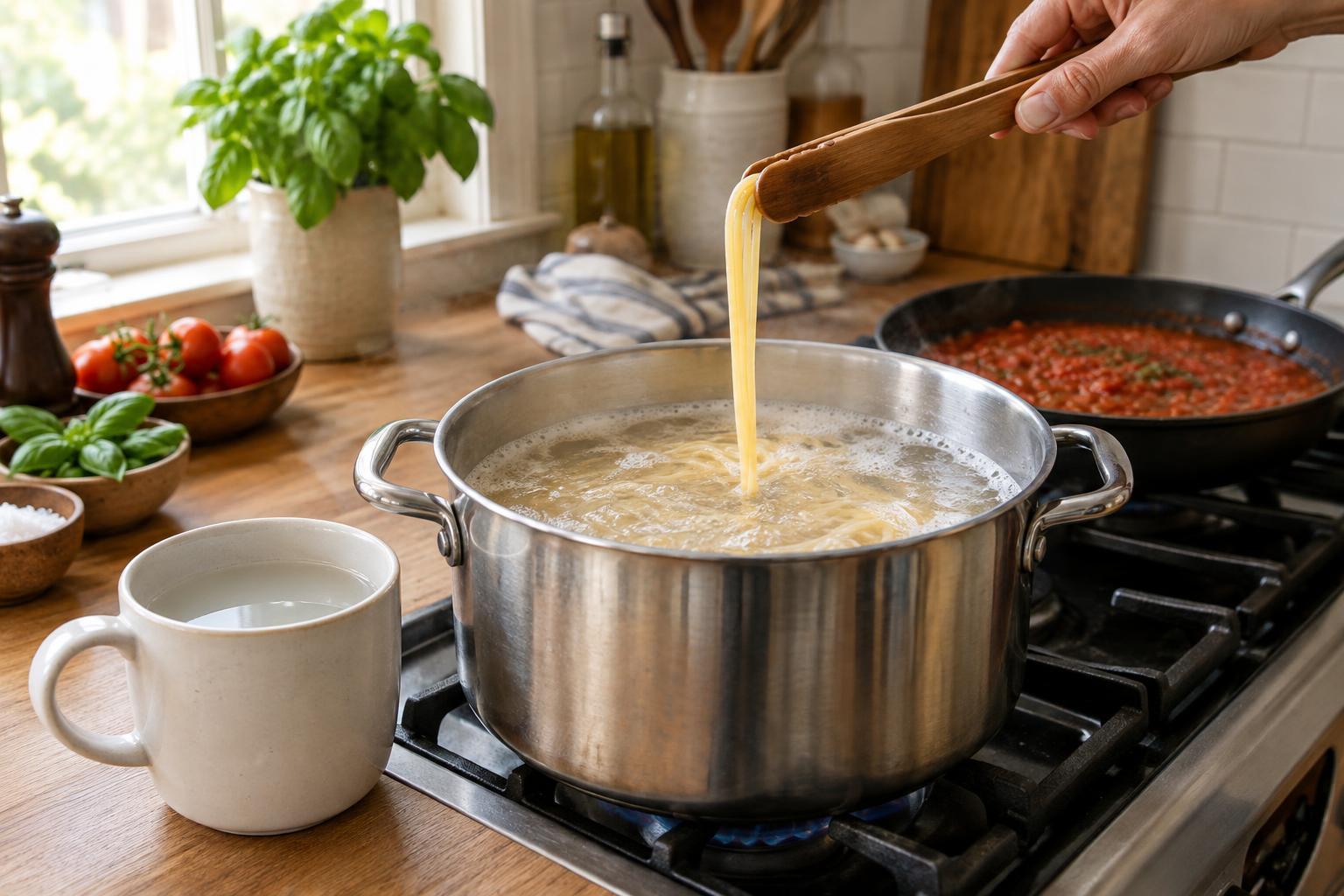
Watch the less obvious tools, too. Tongs that moved raw food into a pan should not serve the finished meal unless they have been washed. Keep the clean side of a sponge or cloth from becoming a shortcut between a raw-food spill and the rest of the counter. Replace or launder cleaning cloths regularly, and let washed items dry on a clean surface.
Handle allergens as a separate kind of cross-contact
If you are cooking for someone who avoids a food because of an allergy, ask what they need before you begin. Cooking a dish does not reliably remove an allergen, and simply picking a visible ingredient out of a finished meal is not a dependable fix. Check ingredient labels each time you use a product, including sauces, spice blends and packaged toppings, because ingredients can differ between products.
Prepare the allergen-free dish with clean hands, tools and surfaces, ideally before opening the ingredient it must avoid. Use fresh water or oil and separate serving utensils where needed. Shared spreads, condiment jars and bulk containers deserve attention: a knife used on one food can leave traces in the next. If you cannot confidently keep ingredients and equipment separate, say so rather than guessing that a dish is safe.
Make the safe choice the easy choice
A workable routine does not require a complicated kitchen. Keep a few clean plates or containers within reach, reserve space for finished food, and decide where raw packages will go before opening them. As you cook, clear away packaging, wash hands when you change tasks, and clean tools before reusing them for a different purpose. If you lose track of whether an item is clean, wash it again or choose a fresh one.
Cross-contamination prevention works best as a series of short resets, not one big cleanup at the end. Keeping foods apart, noticing what touches your hands and tools, and giving cooked or ready-to-eat food a clean landing place make everyday meals easier to prepare with care.